
Table of contents
Summary
- Different types of consumers shape the fashion market and each one brings unique behaviors.
- Discover practical steps to define your ideal shoppers and improve your sales strategy.
- Get monthly industry insights straight to your inbox. Subscribe to our newsletter!
Understanding the types of consumers in fashion is essential for any business that wants to grow with confidence. Every brand attracts different profiles, each with their own preferences, habits, and motivations.
When you recognize these patterns early, you gain a clearer view of who you serve and how your products fit into their lives.
This blog post helps you take the first steps in that direction. You’ll learn why audience analysis matters, how it impacts your sales performance, and what it reveals about your brand’s true potential.
Happy reading!

What is a consumer profile?
A consumer profile represents the characteristics, motivations, and behaviors of the people who buy from your brand. It gives you a structured view of their lifestyle, values, expectations, and purchase habits.
When you understand these details, you see how different types of customers engage with your business in unique ways.
A strong profile helps you predict how consumers might respond to your products or services. You start recognizing patterns such as preferred price ranges, style preferences, or decision-making processes. These insights guide you toward more confident and data-driven choices.
Building consumer profiles also helps you reduce guesswork. You gain clarity about who your brand attracts, why they choose you, and what motivates them to return.
Why is it important to understand the types of consumers?
Understanding the types of consumers gives your business a competitive advantage. When you see how people shop, think, and behave, you create stronger marketing strategies that match their expectations.
Clear consumer knowledge also helps you refine your products and services. Instead of creating collections or launches based on assumptions, you base decisions on real audience needs. You produce better assortments, improve communication, and adjust pricing with more precision.
On a long term perspective, knowing your consumers strengthens loyalty and retention.
You build lasting relationships because your brand consistently solves the right problems. This long-view approach supports sustainable growth for any fashion business.
Read more: 7 steps to choose your fashion market niche
How does culture influence consumer profiles?
Culture shapes identity, tastes, and behavior. It influences everything from color preferences to style choices and shopping habits.
By understanding cultural context, you see why consumers from different regions or backgrounds behave differently.
Fashion consumers also absorb cultural signals through trends, communities, and digital spaces. Social media amplify these influences by spreading new aesthetics, conversations, and values faster than ever.
Because culture evolves, consumer profiles evolve too. Brands that pay attention to cultural shifts adjust faster and stay relevant. They develop collections, messages, and experiences that resonate with real people and their lived context.
How to identify fashion types of consumers
To start identifying fashion consumer types, you can begin with simple and accessible criteria.
These first signals help you take the initial steps in your analysis before diving deeper into behavior or lifestyle:
Socioeconomic segment
The socioeconomic segment highlights how income level, education, and access to resources influence buying patterns.
By examining these factors, you can see how consumers navigate choices between premium, mid-range, and affordable fashion.
This understanding supports price positioning and helps you build a healthier customer base.
Each socioeconomic group also brings specific expectations to the table. Some prioritize durability, others gravitate toward trends, and many value convenience above all.
Usage occasion
It shows the context in which consumers intend to wear your products. For some, the focus is on workwear. Meanwhile, others have special events as a priority, and many shoppers look mainly for casual, everyday pieces.
A clear view of usage scenarios allows you to create collections that match real-life needs.
What defines a fashion type of consumer?
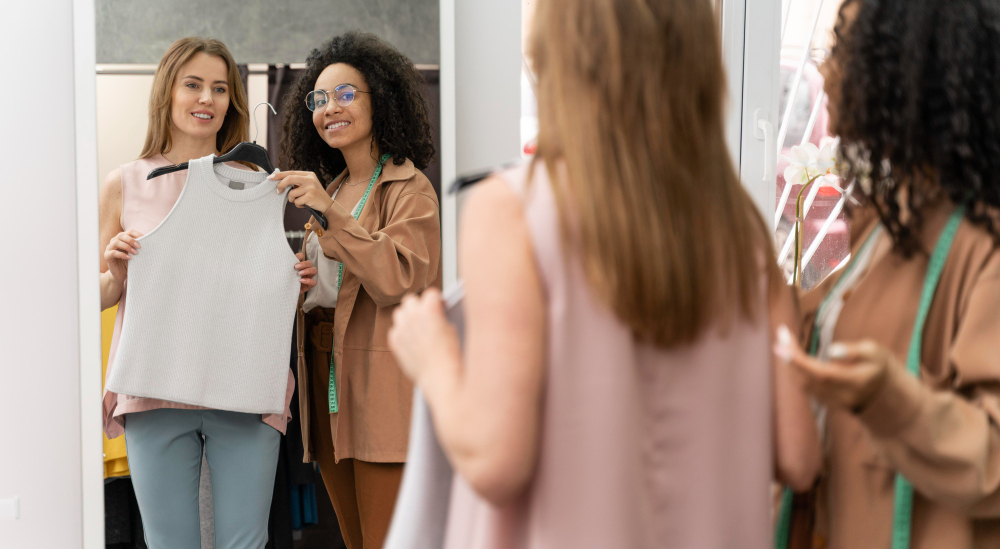
Life experiences
Life experiences help form personal preferences, style confidence, and buying habits. People who travel often, go through career transitions, or navigate lifestyle changes tend to search for different fashion solutions.
These experiences also shape emotional connections with brands. Business that align with a person’s identity, memories, or aspirations tend to create loyal consumers.
Activities
Daily activities play a strong role in determining preferred styles and purchase frequency.
Someone with an active routine typically values comfort and practicality. At the same time, people working in creative environments may look for expressive pieces.
The routine also influences expectations regarding durability and versatility. Consumers want clothing that adapts to their rhythm and comfortably fits into their everyday lives.
Relationships
Relationships shape the way people discover and interpret fashion. Family, friendships, and professional networks all influence style choices, encouraging consumers to adopt looks they admire within their circle.
Brands that mirror the identity of these communities tend to generate stronger affinity and engagement.
Read more: Uncover how fashion trends emerge and why you should keep up
Attitudes
They reveal how people perceive fashion, consumption, and trends. Some gravitate toward classic stability, while others enjoy experimenting or reinventing themselves through clothing.
These mindsets impact how open they are to trying new products. Understanding the motivations allows your communication to feel more relevant and empathetic.
Environments
The environment people move through each day strongly shapes their fashion habits.
Urban consumers often follow fast-moving trends, while those in smaller areas may favor timeless or practical pieces.
Climate and local culture add another layer of influence.
It’s important to notice that different environments also determine access to brands, technologies, and stylistic references.
Ready to take your production to the next level? This fashion e-book holds powerful insights! Download it now and unlock new growth opportunities.
How to define the type of consumer for your fashion business
Defining your consumer type starts with understanding who your audience is and what drives their behavior.
A few essential steps help you map these patterns and shape a strategy that fits your brand’s reality:
1) Study the demographic data of your ideal customer
Demographic data gives you a basic but essential overview of who you’re targeting. Age, location, income, and lifestyle indicators reveal the groups that connect most naturally with your brand.
This information shows how consumers discover and talk about your brand.
Strong alignment between demographics and your message increases the chances of positive word of mouth. And we know that this strengthens your visibility and attracts more qualified shoppers.
2) Identify their pains, desires, and needs
Understanding what your audience struggles with and what they aspire to achieve is key to delivering real value.
These emotional and practical factors shape why people buy fashion and what they expect from your collections. The more clearly you see these motivations, the easier it becomes to create meaningful solutions.
This approach also helps you build a base of loyal customers.
When people feel your brand supports their needs, they return more often and maintain a lasting relationship with your products.
3) Discover their main interests
Consumer interests reveal what catches their attention and influences their sense of style. These signals might include hobbies, cultural references, influencers they follow, or the lifestyle they aim to express.
Interests work as shortcuts to understanding their personality.
These insights also help you anticipate trends that may impact their purchase decision based on personal taste or aspiration.
Read more: Uncover the benefits of fashion trend forecasting for your clothing business
4) Understand where they search for information
Each consumer segment relies on different sources to make fashion choices. Some trust social media influencers, while others prefer magazines, blogs, or recommendations from friends.
Recognizing these patterns helps you choose channels that match your audience’s preferred way of discovering products.
5) Identify their purchase intent within your product mix
Purchase intent shows which items consumers are most likely to buy and how often they consider buying from you. With this, you can prioritize resources, refine your assortment, and create products that reflect what people want.
Clear purchase intent also reveals opportunities to increase repeat purchases.
When your mix aligns well with customer expectations, shoppers return naturally and keep your brand at the top of their list.
Main types of consumers in fashion
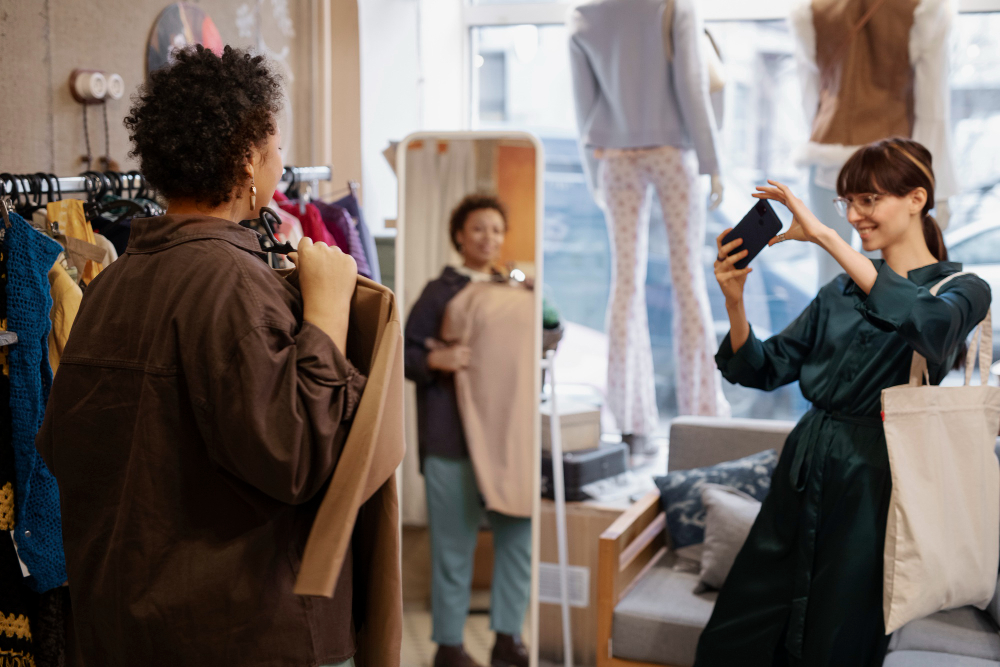
Traditional consumer
The traditional consumer values timeless style, reliability, and consistency. This shopper gravitates toward classic silhouettes, neutral colors, and long-lasting pieces that offer security and familiarity.
Neo-traditional consumer
The neo-traditional consumer blends classic preferences with subtle modern touches.
They appreciate tradition but remain open to contemporary details that refresh their wardrobe without breaking their sense of identity.
Contemporary consumer
This consumer follows current trends and values versatility. They enjoy fresh, updated pieces that reflect what’s happening now in fashion culture. Their choices balance practicality with personal expression.
Avant-garde consumer
The avant-garde consumer embraces innovation, unconventional shapes, and bold aesthetics. This group sees fashion as a creative language. They prefer pieces that stand out, challenge norms, or communicate artistic intent.
Exhibitionist consumer
The exhibitionist consumer seeks visibility and impact. They choose expressive, attention-grabbing outfits that reinforce their personality and presence. For them, fashion is a stage on which they perform their identity.
Tech-conscious consumer
The tech-conscious consumer looks for innovation, functionality, and high quality materials. They appreciate smart textiles, sustainability, and technologies that improve comfort, performance, or the shopping experience.
Read more: Why is China fashion becoming a hub for tech and style?
How to approach each fashion consumer profile
Approaching each profile effectively requires a mix of strategy, creativity, and flexibility. You need collections that respect your brand identity while resonating with different audience expectations.
A diversified view ensures that your products feel relevant to multiple groups instead of limiting your reach.
Creative solutions like Audaces Fashion Studio, Audaces Idea, and Audaces Isa help you work with these insights more efficiently.
They support your creative process, allowing you to plan collections around the specific needs of each consumer type. This approach makes your product mix more assertive and aligned with real demand!
By designing with your audience in mind, you reduce uncertainty and create collections that speak to the right shoppers.
Read more: 5 fashion design tools that aid in clothing development
Create collections for every type of consumer with Audaces360
Audaces360 integrates cutting-edge digital innovations to optimize workflows in the textile and apparel industry.
It caters to companies of all sizes and types, offering the flexibility to scale with your business needs.
All solutions were carefully developed to address the specific challenges of the field. They streamline the design and production processes, saving valuable time and resources.
The platform boasts a comprehensive range of functionalities, including pattern making, marking, collection management, vector drawing, and 3D creation.
In addition, a fashion Artificial Intelligence to assist you along the way.
Discover Audaces solutionsand unlock a world of possibilities from fashion design to sales. Explore our comprehensive suite of solutions today!
FAQ
A consumer profile represents the characteristics, motivations, and behaviors of the people who buy from your brand. It gives you a structured view of their lifestyle, values, expectations, and purchase habits.
Understanding the types of consumers gives your business a competitive advantage. When you see how people shop, think, and behave, you create stronger marketing strategies that match their expectations.
Criteria include life experiences, activities, relationships, attitudes, and environments.