
Table of contents
Summary
- Discover the main stages inside a garment manufacturing factory, from development to finishing.
- Understand different production models and how they impact scalability.
- Get monthly fashion insights straight to your inbox. Subscribe to our newsletter!
A garment manufacturing factory operates through a sequence of connected processes. Each stage must align with production targets, quality standards, and delivery deadlines. Without this structure, even well-designed collections struggle to reach the market efficiently.
This article breaks down the core processes found in a garment manufacturing factory. You will understand how product development, pattern making, cutting, assembly, and finishing connect in practice.
More importantly, you will see how decisions made in early stages directly affect productivity and cost performance later on.
Enjoy the reading!




How does a garment manufacturing factory work?
A garment manufacturing factory follows a structured production flow where each stage depends on the previous one. The process usually starts with product development, where teams define technical specifications, measurements, and materials.
At this stage, designers and production teams align creative ideas with manufacturing feasibility to avoid problems later.
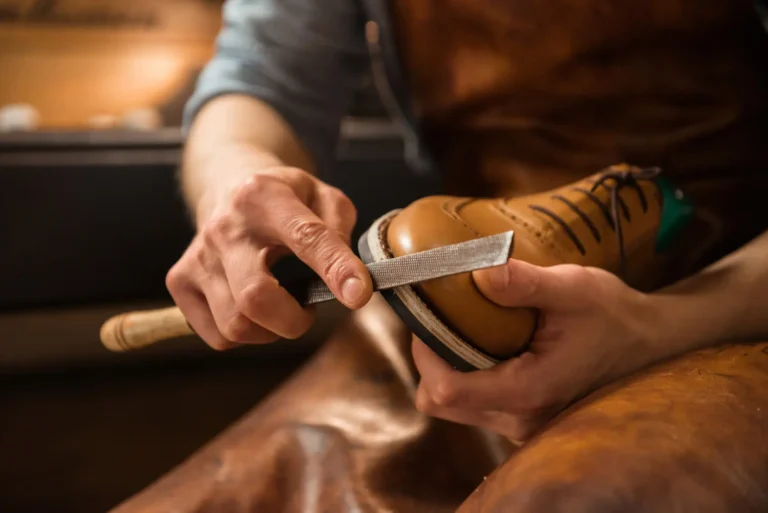
Next, pattern makers develop the patterns and create samples based on the approved design. The team tests these samples to evaluate fit, construction, and finishing.
They adjust measurements and details as needed, ensuring the product meets quality standards before moving into bulk production.
After approval, the factory enters pre-production and cutting. The team checks the fabrics, prepares them, and cuts them according to the production plan. Precision at this stage directly impacts material usage and cost control.
Once they finish cutting, it’s time to organize the pieces and send them to the production line.
During assembly, operators build the garments following a defined sequence of operations. Supervisors monitor quality throughout the process to ensure consistency.
After assembly, the team handles finishing tasks such as pressing, trimming, and final inspection. This step prepares the garments for packing and distribution.
Which processes define a modern garment manufacturing factory?
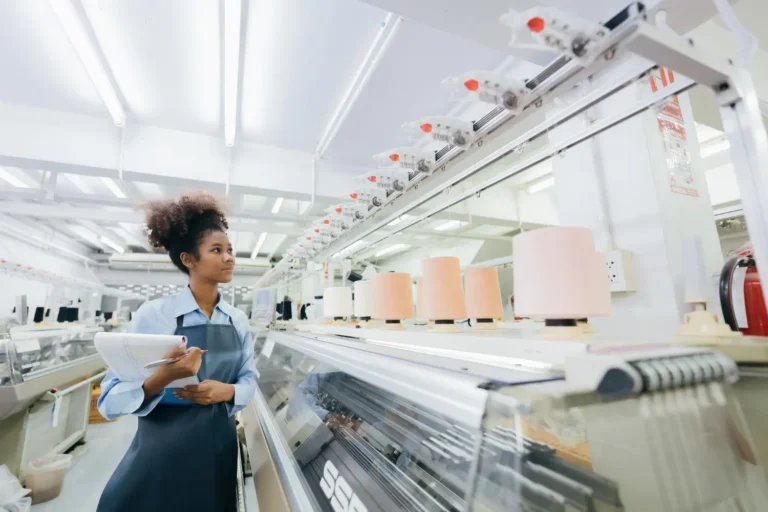
A modern garment manufacturing factory connects its processes instead of treating them as isolated steps.
Teams integrate product development, pattern making, cutting, and assembly into a continuous workflow. This approach reduces delays, improves communication, and increases overall efficiency.
Clear process standardization also defines modern operations. Managers establish structured workflows, document procedures, and apply consistent quality checks. It creates more predictable results, simplifies training, and reduces variability across production runs.
Technology and data play a central role in decision-making. Teams use digital tools to develop patterns, plan production, and track performance in real time.
With better visibility, managers identify issues faster, reduce waste, and continuously improve productivity.
Read more: Smart strategies to optimize your garment manufacturing now
Types of garment manufacturing factories
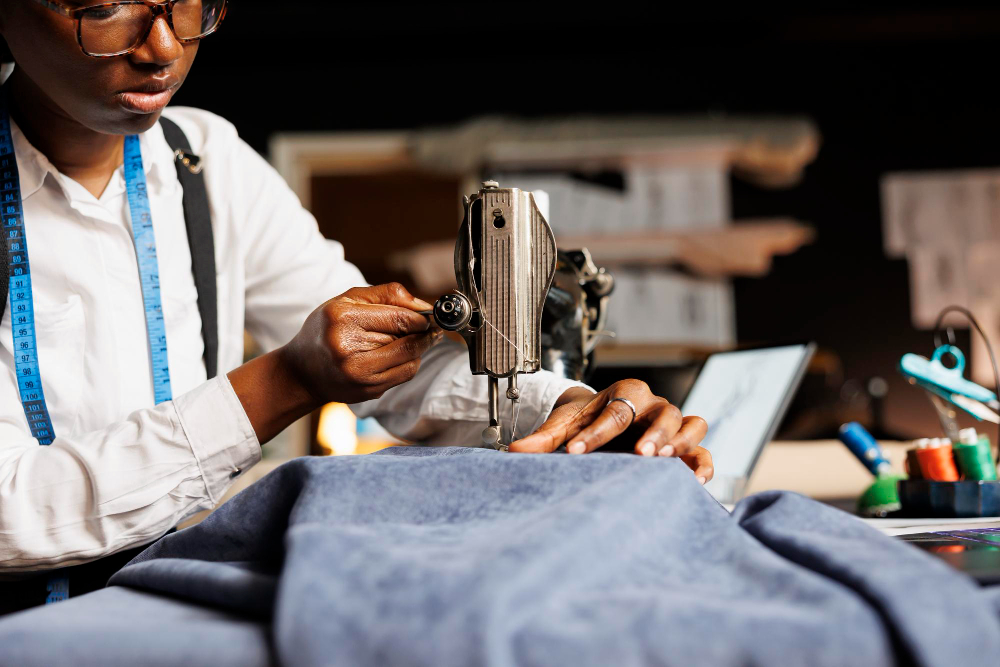
In-house production factories
This type of company handles the entire manufacturing process internally.
The same business manages development, planning, and production, which creates a strong connection between design and execution. This setup makes it easier to maintain consistent quality.
Teams can respond quickly to changes. If something needs adjustment, they don’t depend on external partners. That said, this model requires significant investment.
Equipment, workforce, and operations all stay under the company’s responsibility. Without strong planning and high productivity, costs can quickly rise.
Outsourced manufacturing factories
Outsourced manufacturing factories work as production partners for other brands. Companies delegate manufacturing to external suppliers and focus on areas like branding, sales, and product development.
This approach reduces fixed costs and lowers the barrier to entry. It also gives brands more flexibility to scale production according to demand, which helps manage risk.
On the other hand, outsourcing demands careful coordination. Brands need to align expectations, monitor quality, and ensure deadlines. Clear communication makes all the difference here.
Read more: Discover how to reduce costs in wholesale clothing production
Product-specialized factories
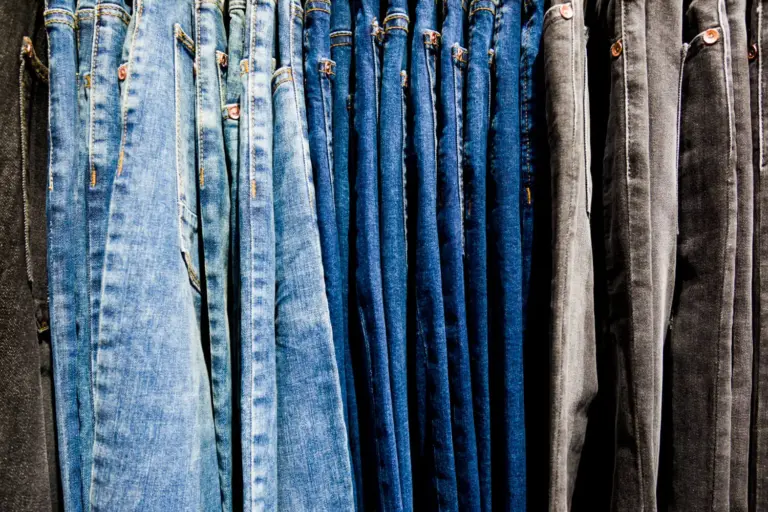
These factories focus on specific categories, such as denim, activewear, or tailored garments. Over time, they refine their processes and build deep technical expertise within that niche.
Because of this focus, they often achieve higher efficiency and better quality in what they produce. Equipment, workflows, and teams all adapt to the same type of product, which improves consistency.
The trade-off is flexibility…
These factories may struggle to adapt to very different product types, especially if production requires new techniques or materials.
Private label manufacturers
Private label manufacturers offer ready-to-produce models that brands can customize. They select existing designs and apply their own branding and adjustments.
This model speeds up the entire process. It reduces development time and simplifies production, making it easier to launch new collections quickly.
However, it also limits exclusivity. Since multiple brands can use similar bases, differentiation depends much more on branding, marketing, and positioning.
Hybrid manufacturing factories
They combine different approaches within the same operation.
A brand might produce core items in-house while outsourcing specific categories or high-volume orders. This creates a balance between control and flexibility.
Companies can keep strategic processes close while still taking advantage of external capacity when needed.
Managing this structure requires more coordination, though. Teams need to align timelines, standards, and workflows across different partners. When done well, it becomes a highly scalable and efficient model.
Read more: Process management and its role in the textile industry
How does a garment manufacturing factory control costs without losing quality?
Fabric consumption optimization
Fabric represents one of the highest costs in garment production. Even small inefficiencies in how materials are used can generate significant losses over time.
For this reason, optimizing fabric consumption becomes a priority for any factory aiming to improve profitability.
Teams can improve material usage through better marker planning and more precise cutting strategies. Digital solutions help create optimized layouts that reduce waste and maximize fabric yield.
Over multiple production runs, these gains make a measurable difference.
Process standardization
This creates a stable foundation for cost control. When teams follow clear and consistent workflows, they reduce variability and avoid mistakes that lead to rework or delays.
Standard procedures also make it easier to scale operations. New employees adapt faster, and managers can maintain quality across different production lines without constantly adjusting the process.
Read more: Discover PLM and its benefits for fashion manufacturing
Workforce efficiency
A well-organized team can produce more in less time, without compromising quality. This depends on proper training, clear task distribution, and balanced workloads.
Factories can improve efficiency by analyzing how operators perform each step and identifying bottlenecks. Small adjustments in layout, task sequence, or equipment positioning often lead to significant gains in output.
Motivation and engagement also play a role. When teams understand their goals and work in a structured environment, they maintain better consistency and reduce errors.
Data-driven decision-making
Data allows managers to move beyond assumptions and act with precision. By tracking production metrics, factories can identify inefficiencies, monitor performance, and detect issues early.
With access to reliable information, teams can adjust planning, improve resource allocation, and continuously refine their processes.
Want to reduce material waste in your cutting process? Download our guide and discover practical ways to improve efficiency.
Which performance indicators should a garment factory track?
To manage performance effectively, a garment factory needs clear and measurable indicators. These metrics help identify inefficiencies, control costs, and maintain consistent quality.
Here are some of the key metrics you should track:
- Production efficiency: Measures how much output the factory delivers compared to its planned capacity.
- Fabric usage rate: Tracks how efficiently the factory uses fabric during cutting.
- Defect rate: Indicates the percentage of garments that fail to meet quality standards.
- On-time delivery rate: Shows how often the factory meets production deadlines.
- Rework rate: Measures how many pieces require correction after production.
- Labor productivity: Evaluates output per worker or per hour.
- Machine usage: Tracks how effectively equipment is used during production.
- Cost per unit: Calculates the total production cost per garment.
Read more: 5 fashion production performance indicators to monitor
How does automation impact productivity in garment manufacturing?
Automation increases productivity by reducing manual effort in repetitive and time-consuming tasks.
In a garment manufacturing environment, processes such as pattern making, marker planning, and cutting benefit directly from digital tools. These technologies improve speed and accuracy, allowing teams to produce more in less time.
In addition, it helps reduce errors. Manual processes often depend on individual skill and can lead to inconsistencies, especially at scale.
With automation, factories standardize operations and achieve more predictable results. This leads to fewer defects, less rework, and smoother production flow.
Another important impact is better production planning. Automated systems provide real-time data and greater visibility into operations. Managers can track progress, identify delays, and adjust schedules more efficiently.
This level of control supports faster decision-making and reduces downtime.
Read more: 6 key benefits of adopting a continuous production model
Increase profitability in your garment manufacturing factory with Audaces

Audaces360
Audaces360 integrates cutting-edge digital innovations to optimize workflows in the textile and apparel industry.
It caters to companies of all sizes and types, offering the flexibility to scale with your business needs.
All solutions were carefully developed to address the specific challenges of the field. They streamline the design and production processes, saving valuable time and resources.
The platform boasts a comprehensive range of functionalities, including pattern making, marking, collection management, vector drawing, and 3D creation.
In addition, a fashion Artificial Intelligence to assist you along the way.
Audaces Cutting Room
By embracing cutting-edge technology, garment manufacturers can achieve significant improvements in the production process. From greater design flexibility to enhanced efficiency and reduced costs.
This is where Audaces Cutting Room steps in. Our experts will thoroughly assess your company’s needs and create a comprehensive report.
Then, our team will develop a personalized project to achieve your goals and unlock your company’s full potential.
Rely on Audaces’ cutting-edge machinery to automate your production process. Achieve impeccable cuts on curves and details, speeding up your deliveries and minimizing fabric waste through automation.
Success Story
Innovation and technology go hand in hand — and Audaces leads the way. We created the first platform to integrate every step of fashion production, from design to sales. This way, we can help brands achieve smarter and faster results.
Discover the story of how a major women’s fashion company reinvented its business with our solutions!

Want to achieve these results too? Click here and get in touch with one of our consultants!
FAQ
A garment manufacturing factory follows a structured production flow where each stage depends on the previous one.
A modern garment manufacturing factory connects its processes instead of treating them as isolated steps.
They include in-house production, outsourced, product-specialized, private label, and hybrid factories.