
Table of contents
Summary
- Understanding how to make clothes is an ancient skill with numerous advantages.
- Nowadays, it is possible to design and create looks in a 100% digital way.
- Create, edit, share, and approve collections with Audaces360!
Knowing how to make clothes is an incredible skill, whether as a hobby or a professional goal. It involves knowledge of design, pattern making, cutting, and sewing, and it has evolved significantly over the years.
Today, it is possible to create collections in a 100% digital format with the help of software. In this way, you reduce the possibility of errors and learn to operate systems that are highly demanded by the market.
In this article, we will teach you how to make clothes in a complete, easy, and agile way. Discover the full potential of technology in this process and every necessary stage.
Enjoy the read!


Where should I start to learn how to make clothes?
To learn how to make clothes, you first need to understand the main stages of the manufacturing process. This knowledge helps avoid common mistakes and greatly accelerates the learning curve for those who wish to produce pieces to sell.
The process of producing a garment typically involves creation, pattern making, cutting, sewing, and finishing. Each of these stages transforms an idea into a real piece that can be worn or marketed.
Start by learning to draw your ideas, even if simply. A fashion sketch helps visualize the garment before producing it and guides all the following steps.
After that, study pattern making, as it transforms the drawing into patterns that define the shape, measurements, and fit of the piece on the body.
Next, practice cutting and sewing. This stage joins all the fabric parts and forms the final structure of the garment. With practice and attention to detail, you will learn to create increasingly professional pieces.
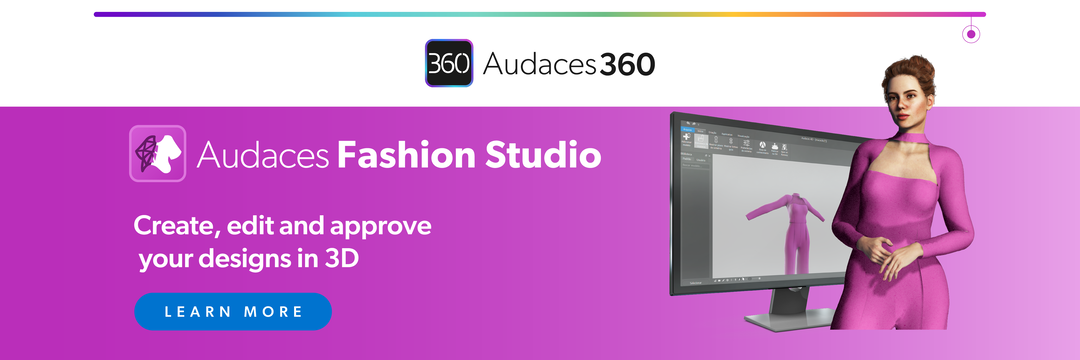
Today, many professionals also use fashion software to speed up this process and reduce production errors.
Is it very expensive to set up your own structure to make clothes?
Many people believe they need to invest a lot of money to start making clothes, but this isn’t always true. It is possible to begin with a simple structure and gradually expand the business.
In the beginning, you can work with just a few pieces of equipment, such as a sewing machine, a cutting table, an iron, and basic tools. These items already allow you to produce several high-quality pieces.
As production grows, many ateliers invest in specific machines, such as overlockers, coverstitch machines, and professional cutting equipment. These machines help improve finishing and increase production speed.
Another important point is the workspace. Many brands start at home or in small studios and expand the structure as sales increase.
Furthermore, today there are technologies that reduce costs in garment development. Pattern making and 3D simulation software help test pieces digitally before producing physical prototypes. This reduces fabric waste, saves time, and improves collection planning.
Read more: 5 strategies to optimize your production with efficient fashion
How to make clothes to sell in 5 stages?
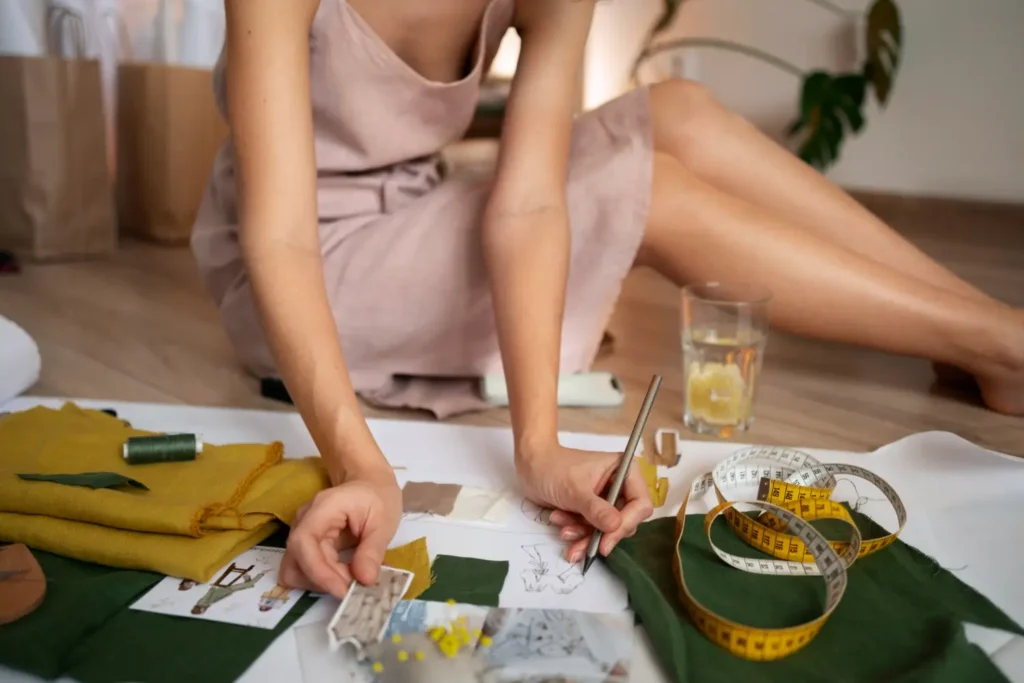
Producing clothes for sale requires organization and method. When you follow a structured process, it becomes much easier to maintain quality, standardization, and productivity.
In the fashion industry, manufacturing usually follows well-defined stages that start with the design of the piece and end with the final finishing.
These stages help the creation, pattern making, and production teams work in alignment. Thus, the brand can transform ideas into market-ready products more efficiently.
Below are five essential steps for anyone who wants to learn how to make clothes professionally:
1) Creation and tech pack
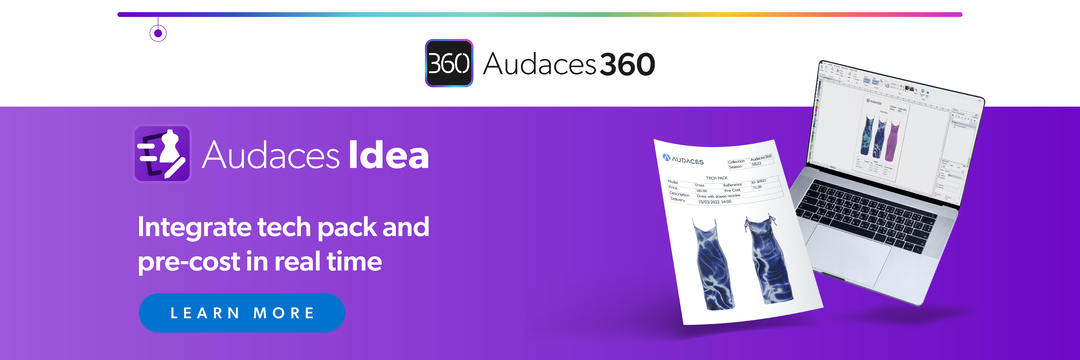
In the first stage, you define the concept of the piece and record all important information in the tech pack.
This document guides the entire production process. It typically includes the drawing of the piece, chosen fabric, trims, colors, measurements, and type of finish.
It serves as a guide for pattern makers, cutters, and seamstresses.
Read more: Uncover 5 expert tips on how to create a tech pack successfully
2) Pattern making
Pattern making transforms the garment design into the templates that will be used to cut the fabric.
This stage defines the shape of the piece and its fit on the body. Today, many companies use digital pattern making software, which allows for quick adjustments and testing of different size variations.
Read more: Learn how to incorporate digital patterns into your production
3) Prototyping
After creating the patterns, the team produces a sample garment, also called a prototype.
This piece serves to evaluate the design before starting mass production. If something is incorrect, the pattern maker makes changes to the pattern until the ideal result is achieved.
Read more: 6 signs you’re ready to move to 3D prototyping
4) Cutting and spreading
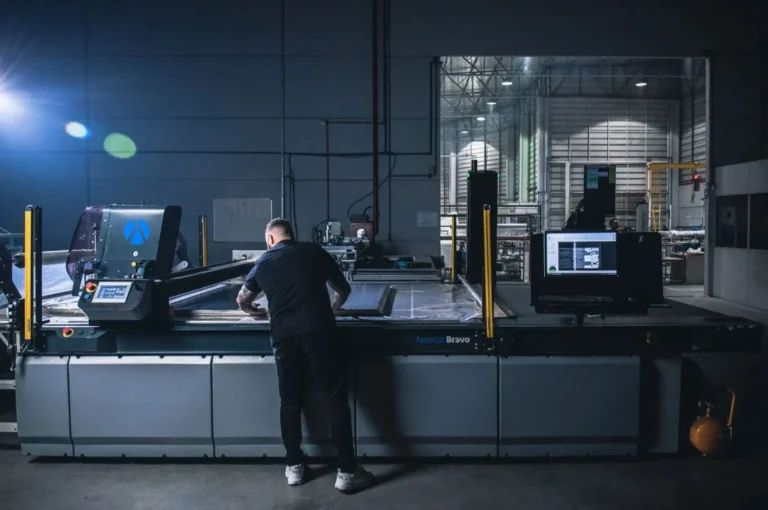
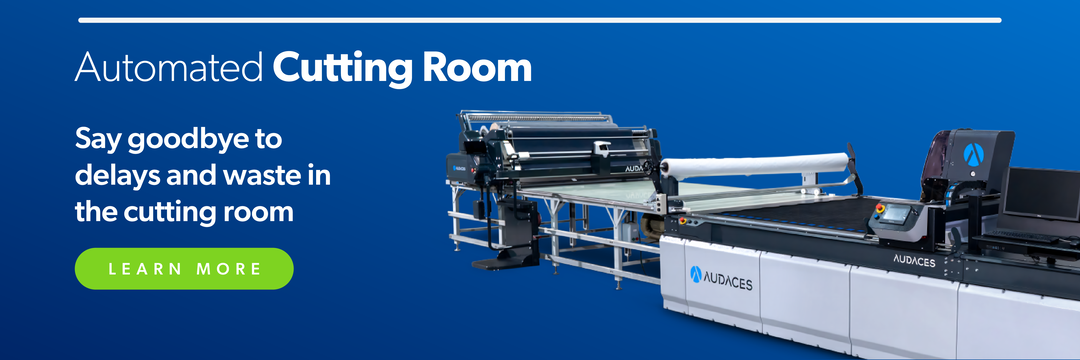
Once the pattern is approved, the cutting stage begins. Fabrics are positioned in layers (spreading) and cut according to the defined patterns.
This process requires precision, as any error can compromise several pieces at once.
Read more: 6 benefits of automatic cutting for your fashion business
5) Sewing and finishing
In the final stage, the cut parts are sewn and assembled. Seamstresses use different machines to join pieces, apply elastics, and hem.
Afterward, the garment goes through finishing, which includes adding buttons, zippers, ironing, and quality review.
Read more: Top 8 types of sewing every pattern maker should know
How to ensure the factory will make clothes exactly as I designed?
When working with outsourced production, you need to ensure the factory understands exactly what you designed. To do this, organization and documentation are essential.
A detailed tech pack is the main resource for aligning expectations between designers and the production team. It gathers information such as measurements, type of sewing, fabric, and trims. Additionally, producing a sample garment helps validate all details before starting large-scale production.
How to make clothes with a good fit without being a pattern maker?
Many believe they need to master advanced pattern making to create clothes with a good fit. In practice, there are ways to achieve good results even without being an expert.
A common strategy is to use already tested base patterns and adapt them for new designs. Another option is to use pattern making and 3D simulation software. These tools show how the garment will look on the body even before it is sewn.
You can also work with partner pattern makers who interpret your design and create technical patterns suitable for production.
Read more: 4 mistakes you should avoid in clothing fit
Can I make my own brand of clothes using ready-made patterns from the internet?
Yes, you can use ready-made patterns from the internet to start your production. However, it is important to adapt these patterns to your audience.
Every brand has its own measurement standard, known as a size chart. Furthermore, you must consider the fabric type, as different fabrics can change the garment’s fit.
If you want to build a strong brand, the ideal is to develop your own patterns over time. This way, your clothes will have an identity and fit your audience better.
Want to discover how to create a digital clothing manufacturing business with Audaces360? Download the free e-book!
How to start manufacturing clothes with a professional finish?
The finish is one of the factors that most influences the perception of quality.
To achieve a professional result, choose quality fabrics and use appropriate threads. Additionally, use specific machines like overlockers and coverstitch machines to reinforce seams.
Another important detail is ironing; correctly pressing the garment during production helps align seams and improves the final look.
Read more: The complete guide to clothing manufacturing for brands
Where do I find suppliers to make clothes in quantity?
If you want to produce clothes on a larger scale, you need reliable suppliers. You can find partners at textile fairs, fashion events, and industrial hubs.
In worldwide, countries like India, Bangladesh and China concentrate important garment manufacturing hubs. Networking is also one of the best ways to find trustworthy partners.
Read more: 5 steps to find the top clothing suppliers for your business
What is the role of sustainability in how to make clothes today?

Sustainability has become a central theme. One common strategy is to reduce fabric waste during the cutting and marker-making process.
Cutting planning technologies help significantly in this process. Choosing sustainable or recycled fabrics whenever possible also strengthens the brand’s image in the market.
How to calculate fabric waste when making clothes?
Controlling fabric waste is essential for profitability. The first step is to plan the marker making (layering the patterns) well before cutting.
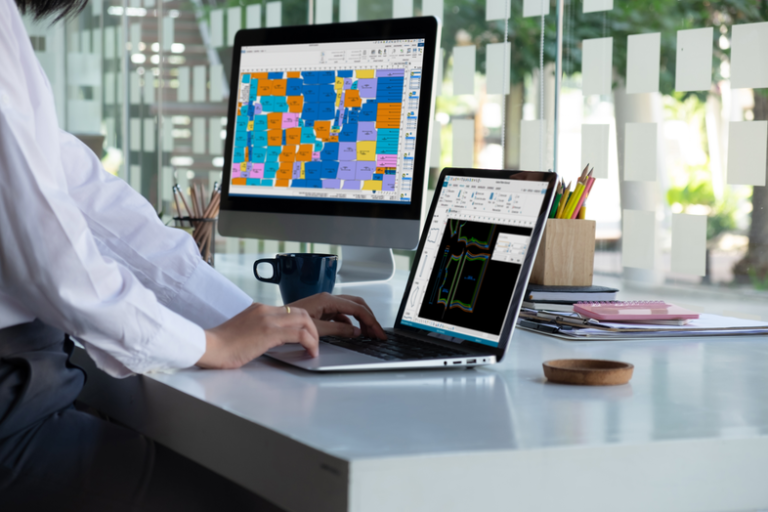
Today, many companies use digital marker making systems that automatically calculate the best layout of the patterns to reduce losses.
How does technology help in the process of how to make clothes?
Technology has profoundly transformed fashion. Today, designers can develop entire collections digitally. These tools allow for creating patterns, testing fit, and visualizing pieces in 3D before even cutting the fabric.
Furthermore, CAD systems and automation help reduce errors in cutting and improve fabric utilization. Another benefit is the integration between different stages. Tech pack information can be shared automatically between creation, pattern making, and the factory.
Read more: Explore the benefits of industrial technology in the fashion sector
Start making clothes with the best in fashion technology
Learning how to make clothes involves creativity, technique, and organization. But today, technology is a great ally.
Specialized software helps designers and manufacturers work faster and more accurately.
If you want to professionalize your production, investing in technology is one of the most important steps.
Audaces360
Audaces360 is a complete ecosystem of solutions for those who want to create, develop, and produce clothes more efficiently.
You can design pieces, create digital patterns, test fit in 3D, and plan production in a single workflow.
This integration helps manufacturers and brands reduce errors, accelerate collections, and improve the quality of the produced garments.
If you want to evolve the way you make clothes, using specialized technology can completely transform your creative and productive process.
Morena Rosa’s Success Story

One of the leading fashion groups in Brazil, Morena Rosa had one goal: to decrease collection development time.
With Audaces360 and the Audaces Attiva consultancy, the brand managed to deliver collections 2x faster, cutting production time in half. Additionally, the team managed to reduce rework by 60%, ensuring a connected and accurate workflow.
Click here to discover the full success case.
FAQ
You can start by using ready-made patterns, basic materials, and learning each stage through constant practice.
Use good materials, focus on the finishing, and follow a detailed tech pack.
Start with basic equipment and expand your structure as sales grow.