
Table of contents
Summary
- The waistband is an essential element for garment fit.
- The chosen type directly affects comfort and silhouette.
- Get monthly insights straight to your inbox. Subscribe to our newsletter!
The waistband, like many elements in fashion, goes far beyond aesthetics. It plays a direct role in comfort, fit, and functionality.
While it’s now a standard feature in most garments, this was not always the case. Originally, waistbands weren’t developed as separate pattern pieces. Only in the 19th century did they become standardized in garment construction.
In this article, you will learn what a waistband is, the most commonly used types in pattern making, and their applications. You will also discover what to consider when choosing the best option for each garment.
Enjoy the read!



What is a waistband?
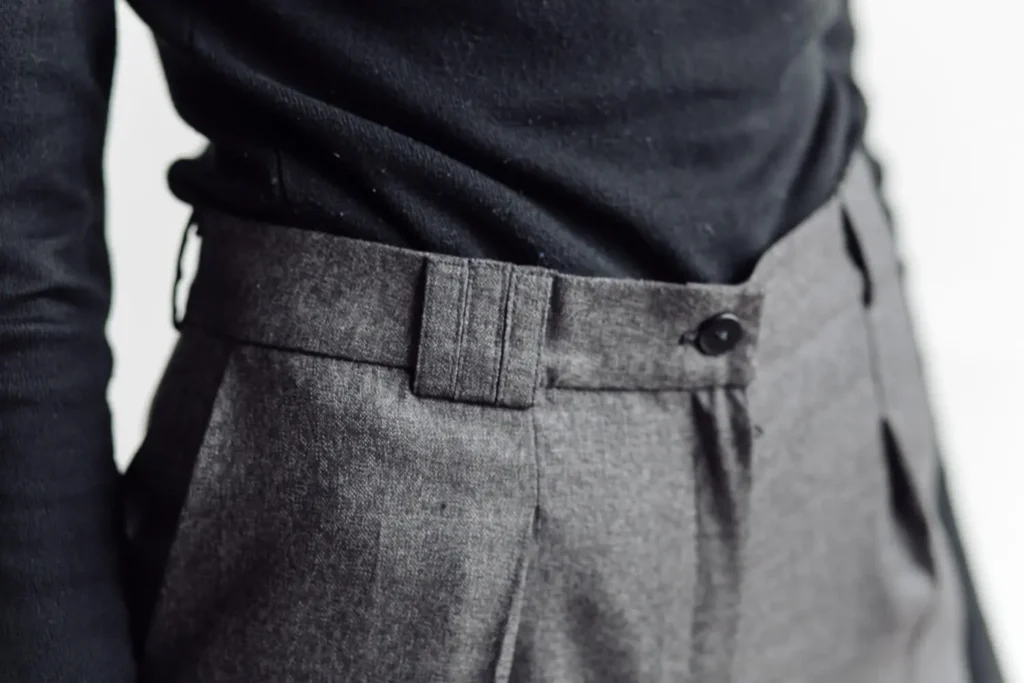
A waistband is the part of the garment designed to fit around the waist. It is most commonly used in shorts, skirts, and pants.
Beyond its functional role, the waistband can also add style and character to a piece, helping it stand out in both design and construction.
It’s typically shaped like a band and made from the same fabric as the garment. Depending on the design, it may be straight, contoured, or elastic. It can also include closures, belt loops, or decorative elements.
Why is the type of waistband important for garment fit?
The waistband is essential to how a garment fits. It allows the piece to sit securely at the waist while remaining comfortable during wear. At the same time, it helps define the silhouette and provides structural support.
A well-designed waistband also prevents common fitting issues. It keeps the garment from slipping, digging into the body, or losing its shape over time.
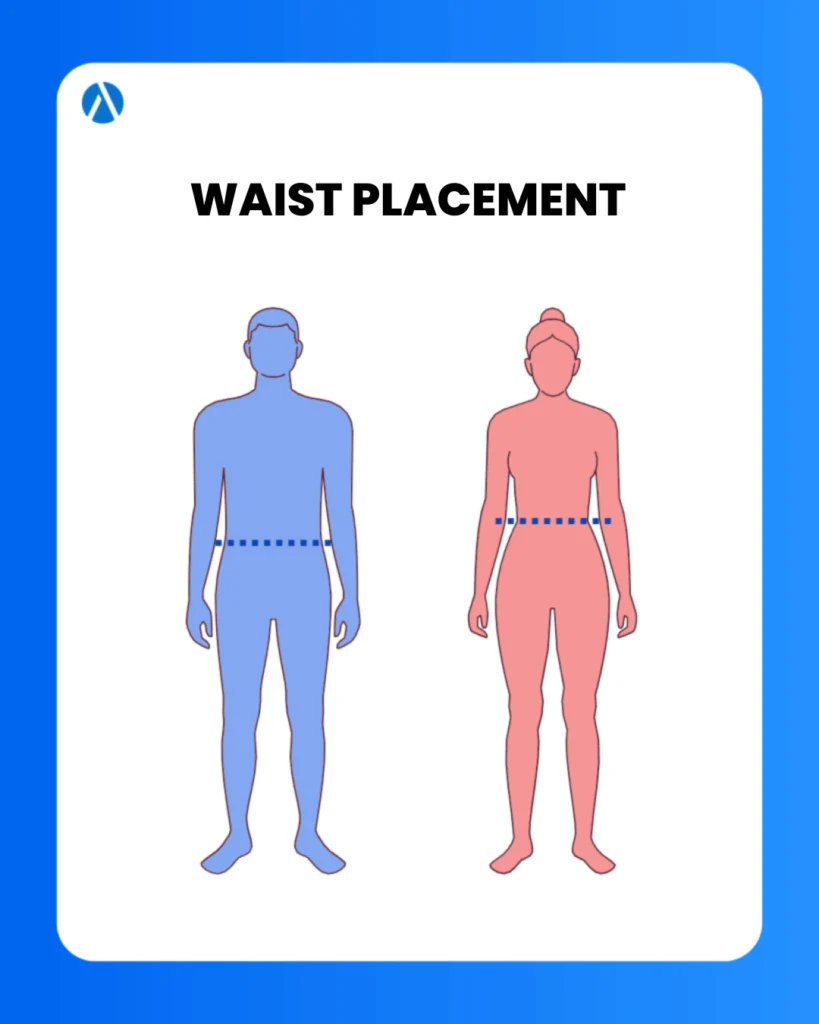
Where is the waist located on the body?
The waist is located between the ribcage and the hips, at the narrowest part of the torso. It marks the transition between the upper and lower body.
It can usually be identified around the level of the navel, where the abdomen narrows before widening toward the hips.
In the image below, you can see this more clearly:
Read more: 5 essential tips for crafting the perfect shorts pattern
How does the waistband affect comfort and silhouette?
Comfort depends largely on the waistband’s design, material, and structure. These factors determine how well it adapts to the waist, whether it stays in place, and how it feels throughout the day.
Very rigid materials may cause discomfort or irritation. Softer, more flexible fabrics tend to provide a better wearing experience and allow greater freedom of movement.
From a silhouette perspective, the waistband helps shape the body. Depending on its width and construction, it can highlight the waist, create a smoothing effect in the abdominal area, and visually balance the proportions between the torso and the legs.
The most common types of waistbands in fashion
Different waistband types can be used in garment manufacturing. Each one has its own construction method, functional purpose, and ideal application.
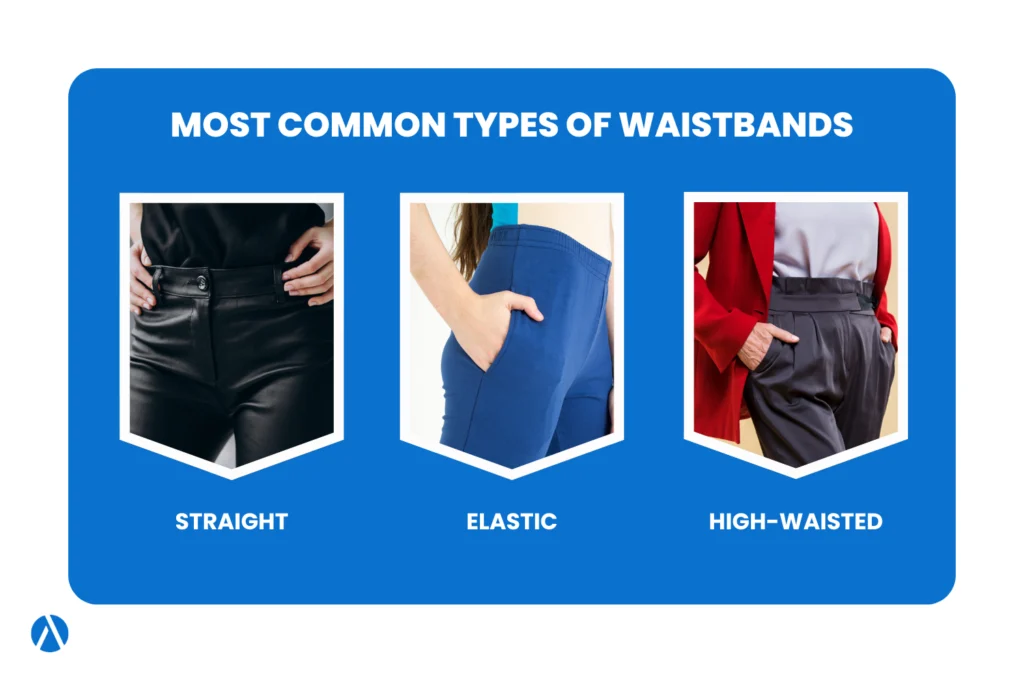
Below are the main waistband styles you can incorporate into your patterns:
1) Straight waistband
The straight or regular waistband is the most classic and widely used option in garment construction. It consists of a straight, structured strip of fabric.
It’s simpler to draft and sew, but it requires attention during assembly to avoid excess fabric or puckering at the back of the garment.
2) Contoured waistband
The contoured waistband is shaped with curves to better follow the body’s anatomy. It is usually higher at the sides and back and lower at the center front.
Because of its curved construction, it can be slightly more challenging to pattern and sew. However, it adapts more naturally to the body and works well across different garment styles.
This type of waistband also creates a more refined finish, as it fits the body’s curves more precisely.
Read more: 8 essential types of pockets to elevate your pattern making
3) Elastic waistband
The elastic waistband uses an elastic band sewn directly into the garment. The elastic may run along the entire waistline or be applied only in specific sections, depending on the design.
4) High-waisted waistband
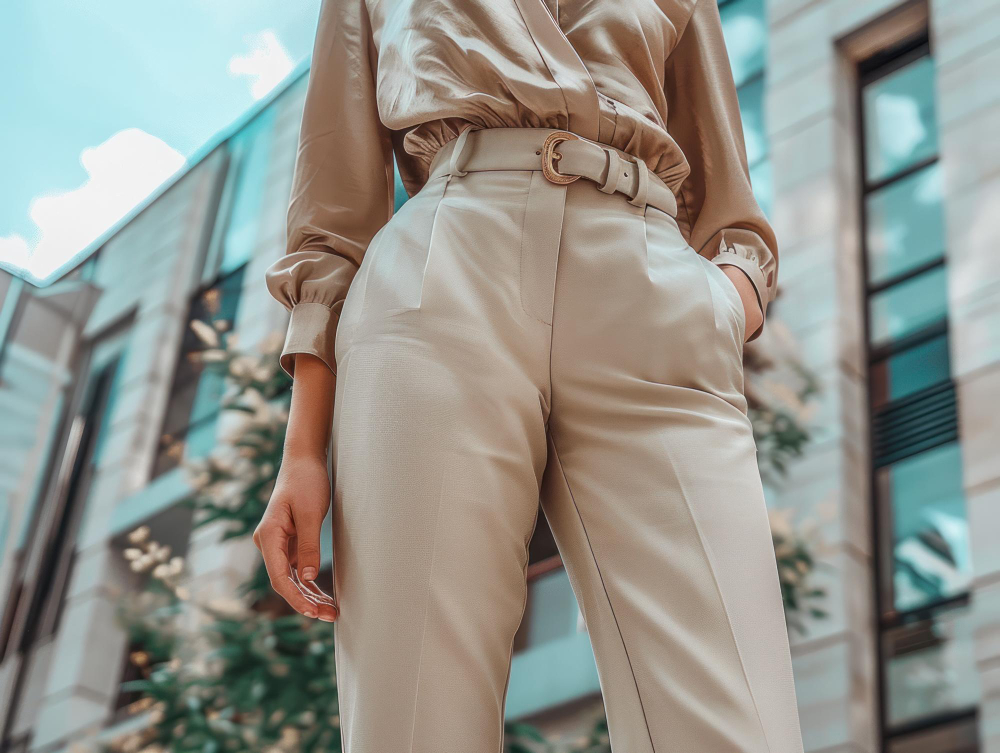
The high-waisted waistband is wider than a straight waistband and covers a larger portion of the abdomen. Like the contoured version, it is usually constructed with a curved shape.
A well-known variation that became popular in the 1970s and 1980s is the paperbag waistband. This style features gathered fabric folded over itself, creating a wrinkled effect similar to a paper bag.
5) Cased waistband
Unlike visible elastic waistbands, the cased waistband includes an internal tunnel. The elastic passes through this channel and remains hidden inside the garment, creating a cleaner external appearance.
6) Waistband with belt loops
This type of waistband allows the use of a belt. Belt loops are small fabric strips that hold the belt in place and help keep the garment properly positioned on the body.
7) Decorative waistband
The decorative waistband incorporates visual details into its construction. These details may include embroidery, appliqués, stitching accents, or fabric combinations that add value to the design.
Read more: Master the use of industrial patterns in apparel production
How to create or adjust a waistband pattern?
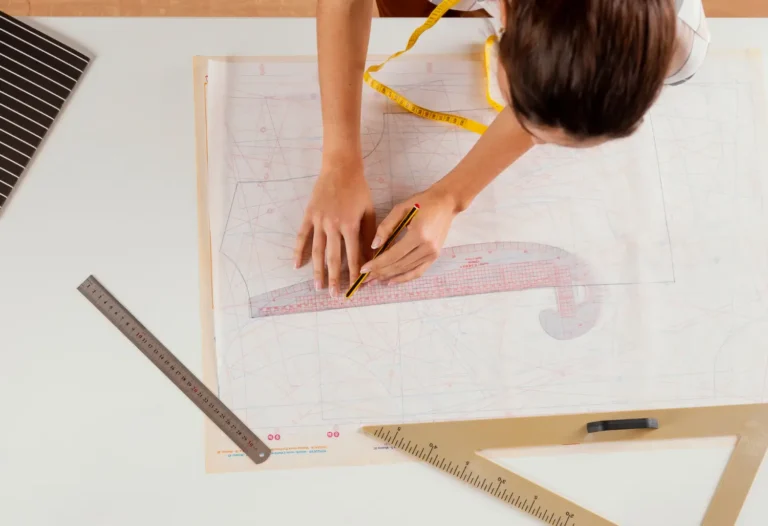
When creating a waistband pattern, accuracy is essential from the start. Measurements, whether taken from the body or from an existing base pattern, must be precise. Ease, seam allowances, and the type of closure also need to be defined at this stage.
After choosing the garment design and fabric, the waistband style is selected. From there, the pattern is drafted according to the garment’s proportions and intended fit.
Adjusting a waistband pattern depends on the issue identified. The fit may be too tight or too loose, or the waistband may not follow the body correctly. In these cases, adjustments can be made directly to the pattern shape, width, or curvature.
In some situations, redesigning the waistband is the most effective solution.
Discover how to create perfect patterns in just a few clicks with our complete and exclusive ebook!
When should I use each type of waistband?
The choice of waistband depends on the garment’s design, fabric, and, above all, its function.
Elastic waistbands, for instance, offer greater flexibility and are easier to wear. That makes them a common choice for pajamas, children’s clothing, and sportswear, where comfort and practicality matter most.
How can I choose the right type of waistband?
Choosing the most suitable waistband requires attention to a few key points. These factors can significantly influence the final result of the garment. Take a look at the most important ones:
Understand your audience and the garment’s purpose
Start by considering who will wear the garment and in what context. Is it designed for women, men, or children? Will it be worn casually, formally, or for sports?
Formal garments usually demand more structure and a polished appearance. In these cases, a straight waistband is often the best choice.
Casual clothing prioritizes comfort for everyday wear. For this purpose, elastic waistbands tend to work better.
Read more: How to create your own digital skirt pattern in 5 steps
Assess the design and garment specifications
Design details and technical requirements also influence waistband selection. High-end garments, for example, may benefit from waistbands that are not externally visible. It helps keep the final result aligned with the original concept.
An unsuitable waistband can reduce the perceived value of a design and disrupt the proportions of the silhouette. It may also create the impression of poor-quality construction.
Read more: Create your own pants pattern in 5 simple steps
Test the types of waistband on prototypes
Testing waistband options on prototypes allows you to evaluate their real behavior before moving into production. This helps protect both the garment and your resources.
Virtual 3D prototypes enable more precise adjustments and help reduce fabric waste. According to Global Growth Insights, 67% of fashion companies have already adopted 3D design to reduce their environmental footprint.
Evaluate the fabric type and its behavior
Each fabric behaves differently depending on its weight, elasticity, and structure.
More rigid materials, such as traditional denim and linen, usually require more structured waistbands. More flexible fabrics, especially those containing elastane, adapt better to elastic waistbands.
Evaluating fabric behavior in advance helps prevent fitting issues and improves garment durability.
Read more: How can basic block patterns help your fashion production?
Create different waistband types in your patterns with Audaces
Creating waistbands becomes much more efficient with the support of technology. With Audaces360 digital solutions, you can achieve:
- Greater pattern accuracy
- Reduced fabric waste and lower environmental impact
- Faster and more agile production
- And much more!
If you are not very familiar with digital tools, there’s no need to worry! Audaces offers training and support to help you achieve professional results in a simple and practical way.
Audaces Pattern
With Audaces Pattern, you can create all types of waistband in an intuitive and practical way. In addition to drafting them, you can easily adjust and automatically grade your patterns.
Watch the video below to see what the tool can do and how it can support your pattern-making process:
Success Story: La Clofit
Discover how this activewear brand streamlined its processes using our technologies, including the adoption of digital pattern making.
Want to take your patterns further? Click here and bring Audaces innovation into your daily workflow!
FAQ
The waistband allows the piece to sit securely at the waist while remaining comfortable during wear. At the same time, it helps define the silhouette and provides structural support.
The waist is located between the ribcage and the hips, at the narrowest part of the torso. It marks the transition between the upper and lower body.
They include straight, contoured, elastic, high-waisted, cased, with belt loops, and decorative.