
Table of contents
Summary
- Understand what a digitizing board is and how it works in pattern making.
- Discover how it reduces errors and speeds up digital conversion.
- Get monthly fashion insights straight to your inbox. Subscribe to our newsletter!
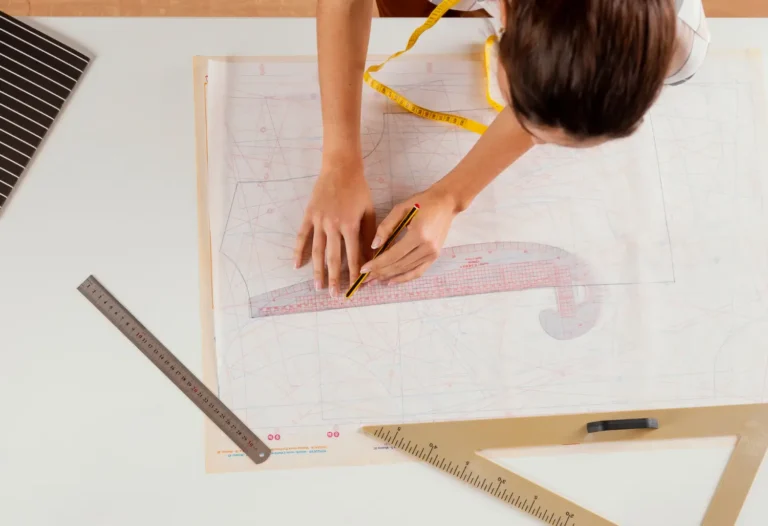
Pattern making is one of the most technical and strategic stages in apparel development. Still, many companies work with paper patterns, manual adjustments, and physical archives that take up space and time.
As collections move faster and deadlines get tighter, relying only on manual processes can limit productivity. This is where a digitizing board changes the dynamic. It allows pattern makers to convert paper patterns into digital files with precision and speed.
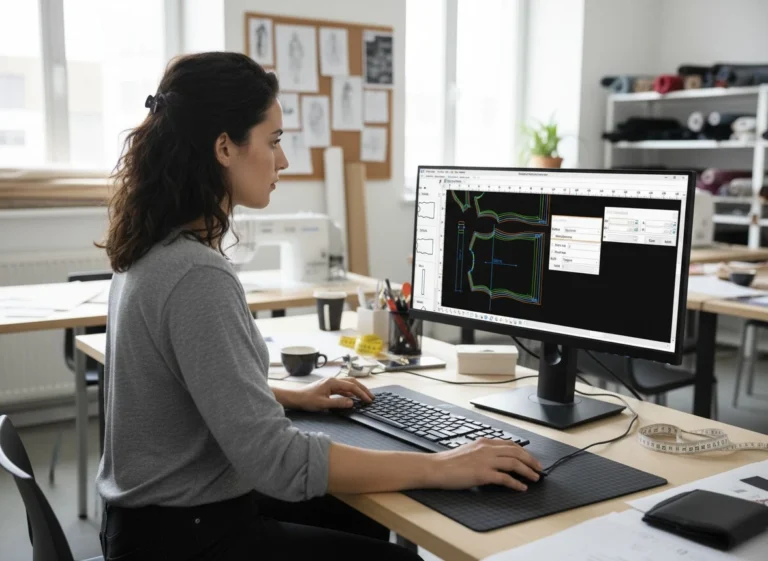
Instead of redrawing each piece in CAD software, professionals can capture measurements and shapes directly from the physical pattern. It becomes a reliable digital base for further adjustments.
Want to learn more about this technology? Keep reading!

Why should I digitize paper patterns in my apparel business?
Paper patterns are still common in many apparel companies. However, they are vulnerable to damage, loss, and wear over time. Folds, humidity, and frequent handling can compromise measurements and markings, directly affecting production accuracy.
Digitizing these patterns allows you to transform physical pieces into precise digital files.
Once in digital format, they become easier to edit, duplicate, grade, and store. This reduces dependency on physical archives and minimizes the risk of errors caused by manual handling.
Another important factor is productivity. Manual processes demand more time for corrections, adjustments, and pattern development.
Digital files, on the other hand, can be modified quickly, helping teams respond faster to collection changes and client requests.
Finally, digitization prepares your business for a more connected production flow. Digital patterns integrate with CAD systems, automated grading, marker making, and even cutting solutions.
As a result, your apparel business gains efficiency, traceability, and scalability.
What is a digitizing board?
A digitizing board is a device designed to convert physical paper patterns into digital files. It acts as a bridge between manual pattern making and computer-based development.
This technology allows pattern makers to maintain their traditional workflow while transitioning to a digital environment.
In practice, you place the paper pattern pieces on the board’s surface. The system captures the shapes and markings, often through image capture or coordinate recognition. With solutions like Audaces Digiflash, you position the pattern, take a photo, and the software processes the image.
The software then transfers the pattern directly into the CAD environment. Inside the system, you receive the piece with all essential information, including measurements, notches, internal lines, and construction details.
Read more: 7 reasons to go digital with your handmade pattern
How does a digitizing board improve my company’s daily workflow?
Implementing a digitizing board transforms routine operations in pattern making and product development.
Discover all the benefits your business can take advantage of:
Faster workflow for pattern makers
One of the most immediate benefits of a digitizing board is time savings.
Instead of recreating patterns from scratch in CAD software, pattern makers can import existing paper pieces into the system. It significantly reduces repetitive work.
With digital files ready for editing, professionals can focus on refining fit, proportions, and design details. That shift increases productivity and allows teams to handle more models within the same development timeline.
Speed also improves communication. Pattern makers can share digital files instantly with other departments, suppliers, or partners.
Easy pattern adjustments
In a manual workflow, adjustments often require printing, cutting, and physically modifying pattern pieces. The process consumes time and increases the risk of inconsistencies between versions.
However, digital files simplify this scenario. Once the pattern is digital, you can apply changes directly within the software. Length adjustments, width modifications, and fit corrections become faster and more precise.
In addition, digital tools allow you to test different variations without compromising the original base.
This flexibility supports product development, capsule collections, and custom requests while maintaining technical accuracy.
Discover how this activewear company optimized its processes with a digitizing board:
Automatic pattern grading
Grading is a crucial step in apparel production. Manually grading patterns for different sizes can be complex and time-consuming. It also increases the possibility of calculation errors.
After digitization, you can automate grading within the CAD system. The software applies predefined grading rules consistently across all sizes, ensuring proportional accuracy and standardization.
To sum it up, automation not only saves time but also improves reliability. Consistent grading contributes to better fit across size ranges and reduces rework during sampling and production.
Read more: Why is a grading tool essential in efficient software?
Pattern archive preservation and organization
Physical pattern archives require storage space and careful organization. Over time, paper can deteriorate, making it harder to reuse older models or revisit past collections.
On the other hand, digitizing patterns preserve them in a secure digital format. You can store, back up and categorize them systematically. Moreover, a well-organized digital archive supports strategic decisions. Teams can quickly retrieve previous models, adapt successful designs, and optimize product development.
Read more: 5 types of industrial machines for your apparel production
Integration with industrial production stages
Digital patterns connect seamlessly with other stages of apparel production. Once in the system, you can use them for marker making, fabric optimization, and automated cutting processes.
This integration reduces data re-entry and prevents inconsistencies between departments. Information flows more smoothly from pattern development to manufacturing, improving overall efficiency.
By aligning pattern making with industrial technologies, your company strengthens its production structure.
The result is a more agile workflow, better resource management, and greater competitiveness in the market.
Download our exclusive ebook now and learn how to choose the best solutions for your business!
How can I digitize clothing patterns?
Digitizing clothing patterns starts with preparing your paper pieces carefully. Before placing them on the digitizing board, make sure they are flat and complete.
Next, position the pattern pieces on the digitizing board surface. With solutions such as Audaces Digiflash, you simply arrange the pieces on the board and capture the image. Then, you can just let the integrated software process the information.
Once the file appears in the software, you can review and refine it. This includes checking measurements, confirming notches, adjusting internal lines, and organizing piece names.
After validation, the pattern is ready for grading, marker making, and integration with the next stages of production.
Step by step process
- Prepare and flatten the paper pattern pieces
- Place the pieces on the digitizing board
- Capture the image using the device
- Allow the software to process and convert the pattern
- Review measurements, notches, and internal lines
- Save and organize the digital file in your system
Read more: How to digitize sewing patterns in 5 simple steps
Where can I buy a pattern digitizing board?
You can purchase a pattern digitizing board directly from specialized fashion technology companies.
These providers develop hardware and software specifically for apparel production, ensuring compatibility with CAD systems and industrial workflows.
One example is Audaces, which offers digitizing solutions designed for pattern making and production environments. The devices integrate with fashion software, allowing companies to move from paper to digital in a reliable way.
Before buying, it’s important to evaluate your company’s needs. Consider factors such as integration with your current software, technical support, training availability, and scalability.
Choosing a trusted supplier ensures that the investment supports long-term productivity and digital transformation.
Read more: All you need to know before investing in CAD/CAM system
Digitize your patterns with Audaces Digiflash
Discover Audaces solutions to eliminate paper patterns, transform them into organized digital files, and improve your workflow!
Digiflash Device
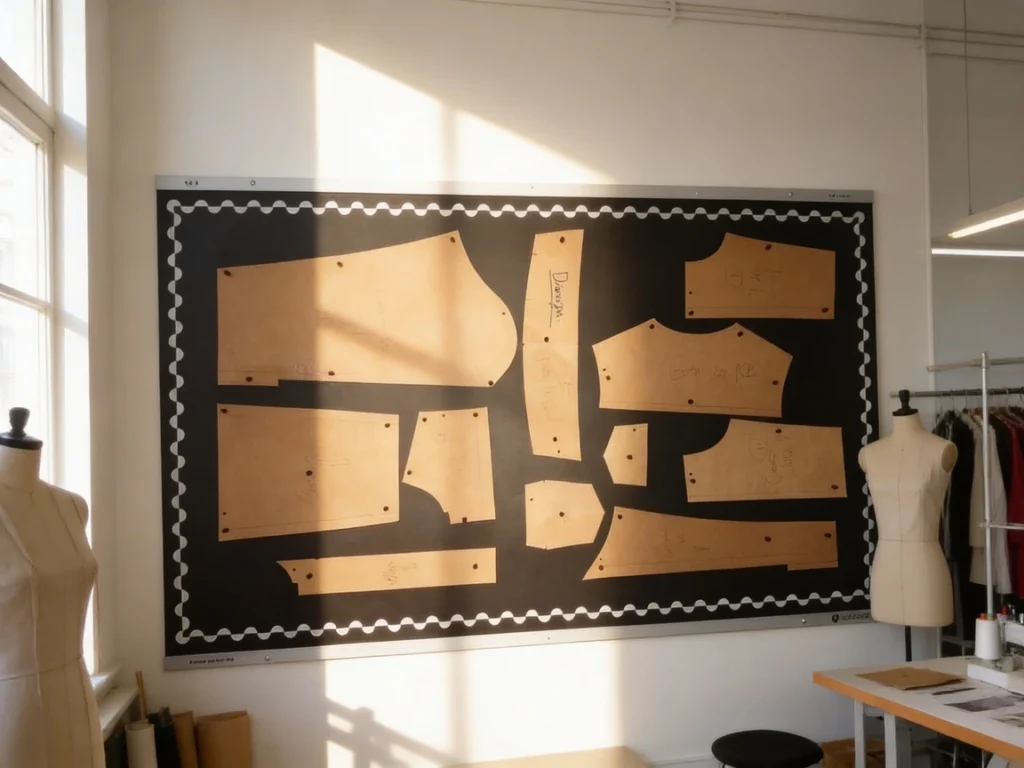
The Audaces Digiflash Device empowers you with the ability to digitize patterns. Transform them into blocks to edit on the computer without compromising the initial design.
Using just a digital photograph, you can digitize all your paper patterns designs with a single click!
Digiflash XT Device
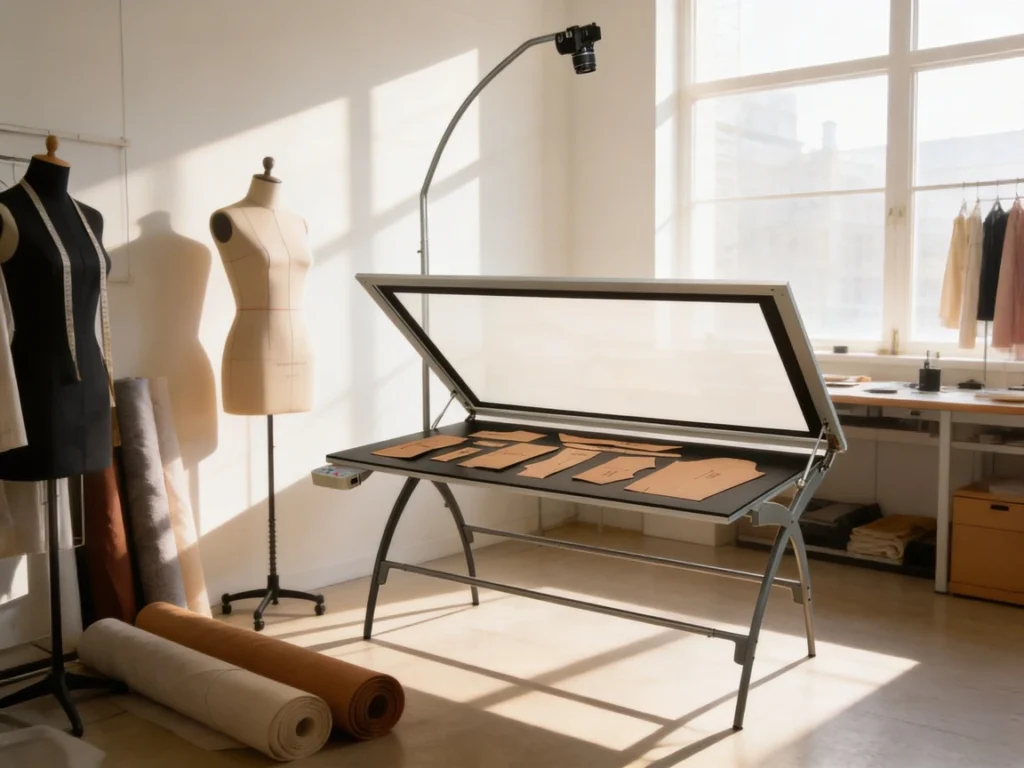
The Digiflash XT Device is the digitization table that enhances efficiency and saves valuable time!
After digitizing your designs, it can do even more for you. It automatically recognizes industry-standard elements, thanks to its intuitive and straightforward tools, along with an exclusive assistant for digitizing large designs.
Click here and talk to one of our specialists to find out which product best fits your needs!
FAQ
A digitizing board is a device designed to convert physical paper patterns into digital files. It acts as a bridge between manual pattern making and computer-based development.
The benefits include faster workflow for pattern makers, easy pattern adjustments, automatic pattern grading, and integration with other stages.
You can purchase a pattern digitizing board directly from specialized fashion technology companies, like Audaces. These providers develop hardware and software specifically for apparel production, ensuring compatibility with CAD systems.