

Table of contents
Summary
- Time to market measures how long it takes to bring a garment from the initial concept to the consumer.
- An efficient time to market helps apparel manufacturers launch collections on schedule, minimize delays, and stay competitive.
- Want to reduce your time to market? Discover Audaces Isa!
Delayed collection launches can have serious consequences for fashion brands, especially small and medium-sized businesses. When manual processes slow down product development, they can affect everything from production schedules to cash flow.
Excess inventory, rising operational costs, and faster competitors make these challenges even harder to manage. But there are ways to overcome them.
By optimizing manufacturing processes and tracking time to market, apparel businesses can operate more efficiently and bring their collections to market on schedule.
Want to know how? Keep reading!



What is time to market in the fashion industry?
Time to market refers to the total time it takes for a garment to move from the initial design concept to becoming available for consumers to purchase.
For apparel manufacturers, every unnecessary delay can affect profitability and give faster competitors an advantage.
Creative teams may develop outstanding designs, but internal bureaucracy and poor organization can significantly slow down essential stages of garment manufacturing.
Reducing time to market requires careful planning, clear communication between departments, and the right technology to eliminate unnecessary operational bottlenecks.
Read more: Explore everything you need to know about fashion creation
Why has time to market become so important for fashion brands?
Fashion trends move quickly, especially on social media, and consumers increasingly expect fresh products in both physical stores and online shops.
Brands risk losing valuable sales opportunities when slow internal processes prevent them from launching collections at the right moment.
Companies that consistently meet their launch deadlines are better positioned to increase revenue, build customer loyalty, and reduce unsold inventory.
In today’s competitive fashion industry, speed has become a major advantage, sometimes influencing purchasing decisions even more than small differences in price.
Read more: Discover the key challenges in the garment industry and how to solve them
Main bottlenecks that delay a collection’s time to market

Excessive design revisions
Designers may need to revise the same garment several times when expectations and requirements are not clearly aligned from the beginning. This creates unnecessary rework and takes valuable time away from product development.
Time-consuming physical prototyping
Producing physical garment samples can take several days, delaying design approvals before a collection moves into large-scale production.
Material shortages
Unexpected shortages of fabrics, trims, or other essential materials can bring production to a halt, especially when inventory management and purchasing are poorly coordinated.
Errors in technical documentation
Incorrect measurements or incomplete tech packs can cause confusion during pattern making, resulting in mistakes that require additional revisions before mass production.
Bottlenecks in cutting and sewing
Manual, inefficient cutting processes can create backlogs of fabric waiting to be processed, interrupting the workflow and delaying subsequent sewing operations.
Logistics and distribution delays
Transportation issues can prevent finished garments from reaching retailers on schedule, causing brands to miss important seasonal sales opportunities.
Read more: Explore the most common types of sewing used in garment manufacturing
How can a long time to market affect sales?
When brands take too long to develop and manufacture their collections, they risk missing the moment when consumers are most interested in particular styles or seasonal trends.
Capital tied up in unused raw materials can also limit investment in other important areas, such as marketing, technology, or hiring skilled professionals.
Retail partners may become frustrated with repeated delays and turn to competing suppliers that consistently meet their delivery commitments.
Over time, these problems can reduce annual revenue, weaken business relationships, and damage a brand’s reputation among increasingly demanding consumers.
Read more: Discover essential strategies for successful apparel business management
How can PLM software reduce time to market in apparel manufacturing?
Centralized tech packs and material information
A Product Lifecycle Management (PLM) system brings essential product information together in a single digital environment, allowing authorized teams to access accurate, up-to-date data whenever they need it.
Integration with CAD software
Connecting design and product development information with digital pattern making tools reduces manual data entry, improves accuracy, and helps prevent errors between departments.
Read more: All you need to know before investing in CAD/CAM software
Standardized approval workflows
PLM software organizes approval stages and responsibilities, ensuring that each garment moves forward only after the appropriate team has reviewed and approved it.
Real-time visibility into collection timelines
Managers can track the progress of individual tasks and styles through centralized dashboards, identifying potential bottlenecks before they affect final delivery dates.
Faster handoff to production
When product information is organized and accessible, manufacturing teams can receive approved specifications more quickly, reducing delays before cutting and production begin.
Reducing time to market is important, but speed alone doesn’t guarantee success. Discover why product design, quality, and perceived value are becoming essential to fashion brands looking to stand out.
Strategies to reduce your collection’s time to market
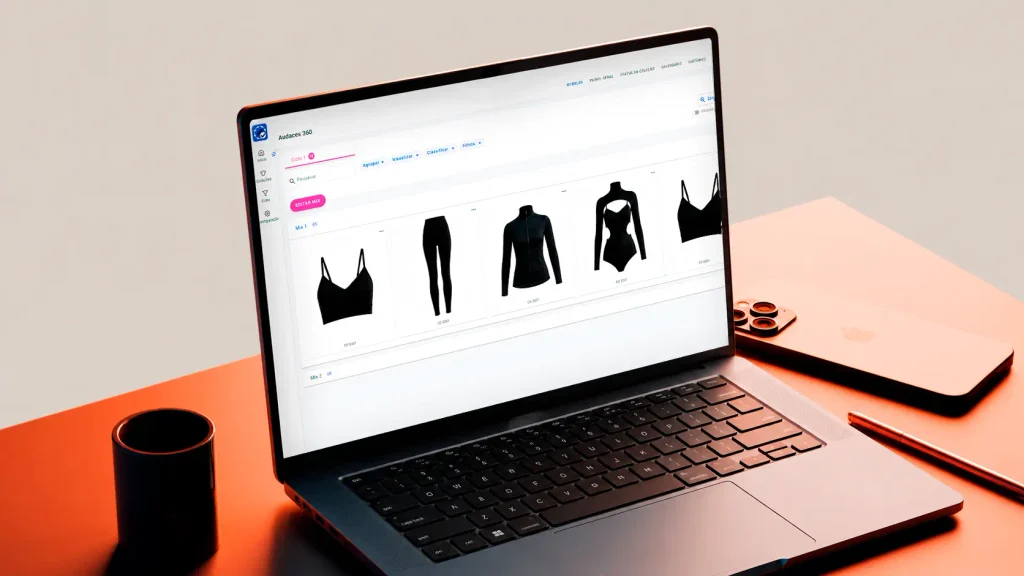
Break larger collections into smaller capsule launches
Instead of relying on a single large seasonal release, consider dividing collections into smaller, more frequent launches. This approach helps brands introduce new products regularly without overwhelming production teams.
Validate fit, prints, and colors digitally
Use realistic 3D simulations to evaluate garment fit, colors, and prints before producing physical samples. Digital validation can shorten approval cycles and reduce unnecessary sampling.
Approve fabrics and trims early
Confirm material availability and reserve essential fabrics and trims before moving too far into the design process. This helps prevent unexpected shortages from disrupting development.
Reuse previously approved pattern blocks
Build on existing pattern blocks that already meet your target audience’s fit requirements. Adjusting selected details instead of creating every pattern from scratch can significantly speed up development.
Work with suppliers closer to your production facilities
Local or regional suppliers can help reduce transportation lead times and make it easier to resolve urgent material or production issues.
Organize teams into short sprints
Establish clear weekly goals for each department involved in collection development. Short, focused work cycles encourage accountability, collaboration, and consistent progress toward launch deadlines.
Read more: Learn how to plan a successful fashion collection in 7 steps
How to choose suppliers that help reduce time to market
Choosing reliable suppliers is essential to keeping your collection development and production schedules on track.
- Evaluate delivery performance: Check whether potential partners have consistently met agreed deadlines in previous projects with other apparel businesses.
- Assess technological capabilities: Prioritize suppliers that use integrated communication and management systems to process orders efficiently and reduce communication errors.
- Consider logistics and location: Working with regional suppliers can shorten material transportation times and make emergency replenishment easier.
- Evaluate production flexibility: Make sure suppliers can handle seasonal demand fluctuations without compromising material quality or delivery commitments.
Read more: How garment manufacturing outsourcing works for fashion brands
Is investing in technology worth it to reduce time to market?
Investing in digital technologies for apparel manufacturing may seem expensive at first, but the potential savings in time, materials, and operational costs can make it worthwhile.
Specialized software can reduce paper-based processes, improve fabric utilization, and minimize costly rework across design and production teams.
Technology can also help businesses develop and launch more collections throughout the year without necessarily expanding their physical facilities or workforce.
By improving productivity and making better use of existing resources, digital solutions can deliver long-term value and support more sustainable business growth.
Read more: Discover 8 ways to adopt Industry 4.0 technologies in fashion
Can specialized consulting help reduce time to market?
Apparel manufacturers struggling to reorganize their internal processes can benefit from specialized support, such as Audaces Attiva, a consulting service designed to improve operational efficiency.
Experienced consultants analyze existing workflows, identify overlooked bottlenecks, and help implement proven methodologies to improve performance across the manufacturing process.
This approach can accelerate team learning, improve software adoption, and contribute to shorter development and production timelines.
With the right expertise and technology, manufacturers can strengthen their operations, respond faster to market demands, and create new opportunities for growth.
Read more: Explore strategies to optimize garment manufacturing and eliminate waste
Reduce your collection’s time to market with Audaces Isa
Launching new fashion collections requires accurate planning, effective communication, and the ability to eliminate unnecessary delays throughout product development.
For apparel manufacturers looking to stay competitive, technology plays an essential role in simplifying complex workflows and keeping collections on schedule.
Audaces Isa is a Fashion PLM solution designed to help businesses plan collections, connect teams, and monitor the progress of every style in real time.
By centralizing information and improving collaboration, Audaces Isa helps reduce operational errors, shorten development cycles, and bring new collections to market faster.
FAQ
Time to market is the total time a fashion brand takes to develop a garment, from the initial design concept to making the finished product available for sale.
Managing time to market helps apparel manufacturers respond to fashion trends, meet collection launch deadlines, and stay competitive by bringing products to consumers faster.
Specialized software streamlines product development and manufacturing processes, reduces manual tasks and errors, and improves collaboration between teams. This helps fashion businesses shorten time to market while improving overall efficiency and profitability.