
Table of contents
Summary
- Fashion in Naples is a heritage of craft skills, manufacturing quality and local identity;
- To stay competitive, Italian companies need to balance tradition, technological innovation and production efficiency;
- See how Audaces solutions can support the digitalization of processes, from pattern creation to fabric cutting.
Naples is known worldwide for its culture, its creativity and a craft tradition that has shaped the history of Made in Italy.
From tailoring to the production of apparel and accessories, Napoli fashion stands out for a body of skills handed down over time, which remains a source of value for the region.
But how can companies preserve this identity while meeting the demands of an increasingly competitive market?
Today, technology offers new ways to improve production efficiency without giving up the quality and skills that make Italian manufacturing recognizable.
In this article, we explore the relationship between tradition and innovation in the Napoli fashion sector and look at the technologies that can help companies move toward more modern, competitive production. Enjoy the read!
How did Naples become a reference point for Italian fashion?

The history of fashion in Naples is closely tied to its tailoring tradition, textile craftsmanship and the artisanal production of clothing.
Over time, these skills fostered the growth of specialized companies and workshops, helping build a production chain recognized beyond Italy’s borders.
Neapolitan tailoring, in particular, has become synonymous with attention to detail, knowledge of materials and the ability to make garments that combine elegance and comfort.
But the sector goes beyond tailored clothing. The Campania region is home to businesses active in garment manufacturing, leather goods, footwear and accessories.
According to the Campania Region, the regional fashion sector includes around 22,000 companies, spread across different production hubs and specializations.
This variety helps make Naples and Campania an important reference point for Italian manufacturing.


What does it mean to produce fashion under the Made in Italy label?
Made in Italy is one of the most recognizable elements of the Italian fashion industry.
In apparel, it is often associated with quality materials, careful workmanship, creativity and manufacturing expertise.
However, Made in Italy is not just a concept tied to a product’s image. It is also an indication of origin, and its use must comply with the applicable regulations, such as the non-preferential rules of origin outlined by the Italian Customs and Monopolies Agency.
For companies, building on Italian production therefore means paying attention not only to the final result, but also to how production processes are organized and traced.
Valuing craftsmanship and quality
One of the main strengths of Italian fashion is its ability to turn craft skills into quality products.
In Napoli fashion, the tailoring tradition shows how experience, precision and attention to detail can add to the value of a garment.
Fabric selection, pattern development, fit and finishing all require specific knowledge.
Preserving these skills matters, but it does not necessarily mean keeping every production process unchanged.
On the contrary, introducing digital tools can help professionals spend more time on the work that calls for experience and a craftsman’s sensibility.
The importance of identity and origin in Italian fashion
In a market with an ever-wider range of options, identity is an important way to set a brand apart.
A company’s history, the region where it operates and the skills that define its production can help build a relationship of trust with customers.
For fashion companies in Naples, the link to local tradition can become an integral part of their positioning.
Communicating a product’s origin and quality, however, also requires consistency between the story a brand tells and the way it organizes its production.
This is why the ability to control information and ensure reliable processes is becoming increasingly important.
Want to understand why product quality, design and perceived value are back at the center of fashion competitiveness? Download the e-book for free!
How Italian companies balance tradition and competitiveness
Craft quality is a competitive advantage, but on its own it may not be enough to meet every demand of today’s market.
Companies have to manage lead times, material costs, collection development and customization requests while maintaining high quality standards.
For small and medium-sized manufacturers, these tasks can become particularly complex when they rely on manual processes and poorly organized information.
The challenge is to strike a balance between the value of traditional skills and the need to make production more efficient.
Digitalizing certain tasks helps reduce repetitive work, improve accuracy and use resources more consciously.
In this way, technology can become a tool that enhances people’s work rather than replacing their skills.
Read more: Fashion houses: 5 reasons to innovate while maintaining quality
How are companies modernizing their production processes?
The digital transformation of the fashion industry spans several stages, from initial design to the finished product.
It does not have to mean changing the whole process at once. Companies can introduce new technologies gradually, starting with the tasks where the benefits are greatest.
Here are some of the main opportunities to modernize apparel production.
Digital design
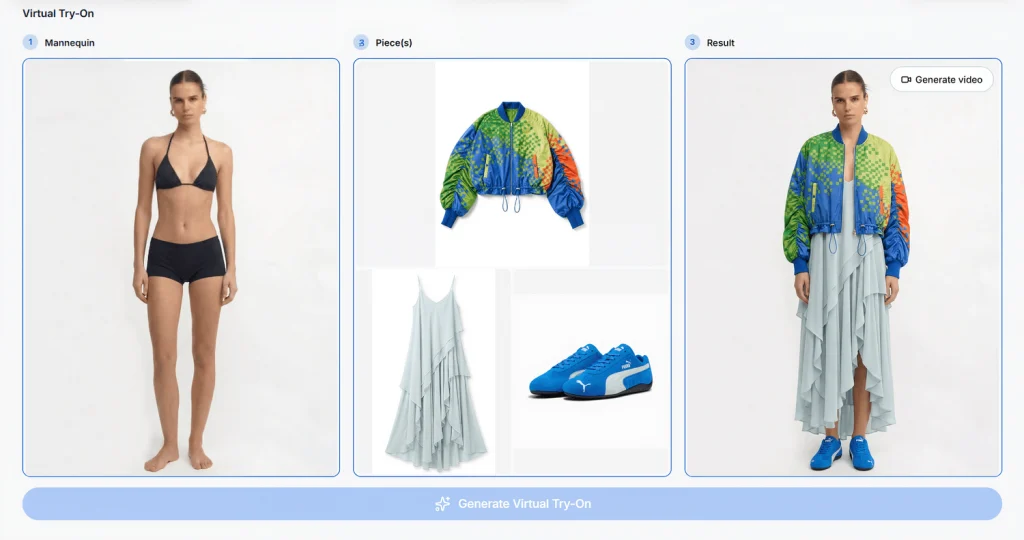
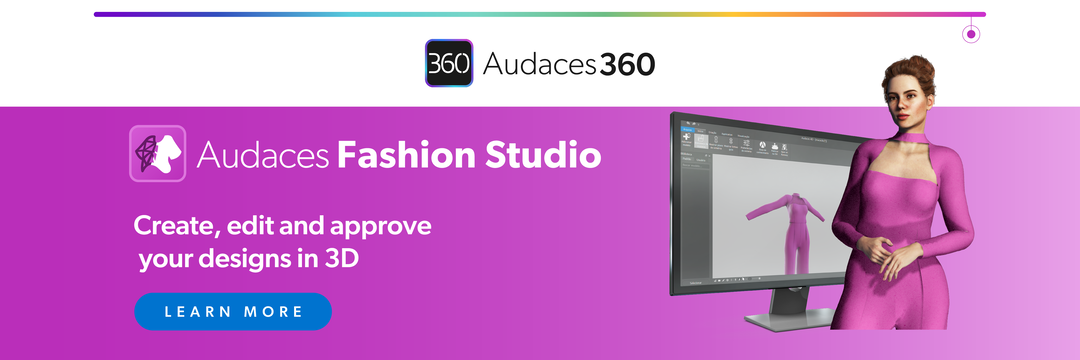
Digital design lets teams develop and refine creative concepts with tools built specifically for fashion.
Designers can experiment with colors, materials and details, creating visuals that help them share their ideas with other departments.
This makes communication between design, product development and production easier, especially when several options need to be compared before a collection is approved.
Digital pattern making
Digital pattern making makes it possible to create, edit and develop clothing patterns with CAD software.
Compared with traditional methods, it offers more flexibility when working on patterns, keeps information on file and makes changes easier to manage.
For companies that work with many variants, sizes and collections, these tools can help reduce repetitive work and improve accuracy.
Digital production management
Digital management helps organize product information and track each stage of development.
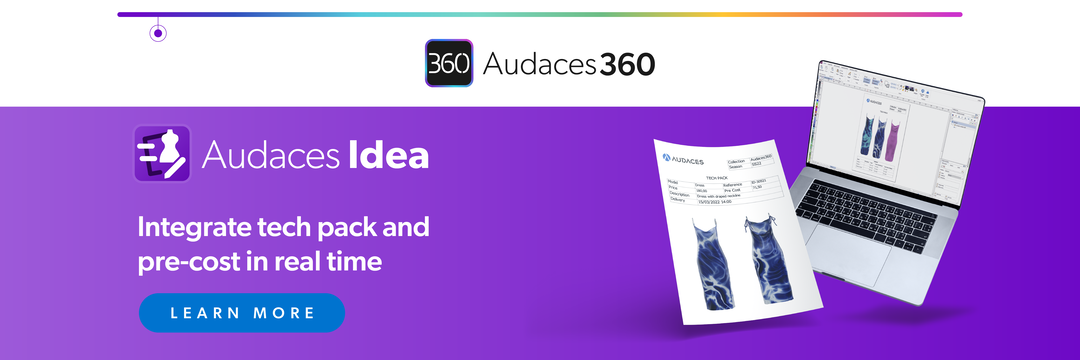
Tech packs, materials, variants, costs and updates can be gathered in shared systems, making it easier for departments to work together.
This reduces the risk of working with outdated information and gives better visibility into the progress of each task.
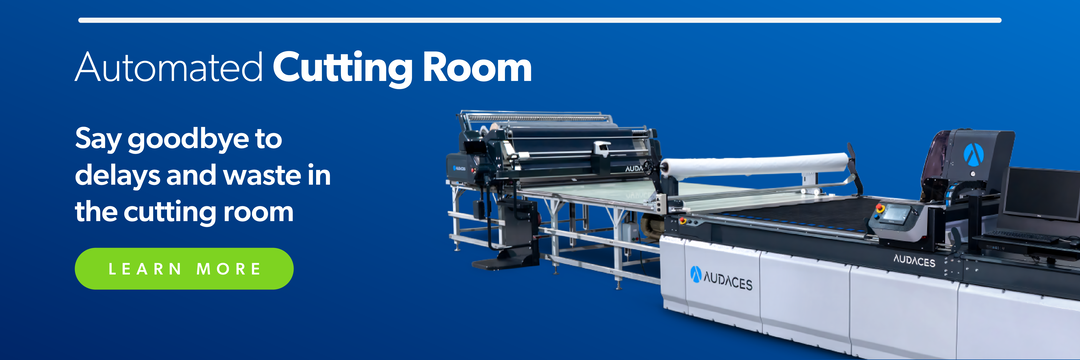
Cutting automation
Cutting is a key stage in apparel production, because it affects the accuracy of each component and how materials are used.
Automatic cutting machines make the work more repeatable and reduce some manual operations.
For companies handling high production volumes or frequent style changes, automation can help improve productivity and the organization of the cutting room.
Material planning and optimization
Fabric is one of the main cost items in apparel production.
That is why planning its use correctly is essential to limit waste and improve profitability.
Marker making software arranges pattern pieces on the fabric, aiming to make the best use of the available space within production constraints.
More efficient material management can help both control costs and reduce scrap.
Integrating production processes
When design, pattern making, planning and production work with disconnected tools, information is often duplicated or transferred manually.
This can lead to errors, delays and communication problems between departments.
Integrating processes means creating a more continuous flow of information, from product creation to manufacturing.
For fashion companies, this connection can translate into a greater ability to plan work and respond quickly to market needs.
Read more: CAD software for pattern making: everything you need to know
How can companies combine tradition and innovation?
Tradition and innovation do not have to be seen as alternatives.
A company that produces high-quality apparel can keep building on its craft skills while introducing digital tools for the tasks that require greater precision or repeatability.
Picture, for example, a tailoring workshop that develops its patterns with CAD software, while its professionals’ experience continues to guide decisions on fit and finishing.
A concrete example is LIVE!, one of the biggest fitness brands in Brazil, which adopted Audaces ICF to automate cut planning in its cutting room. According to the company, the change saved 275 hours of work per month.
Its experience shows how technological innovation can work alongside manufacturing expertise, helping make production more efficient without losing sight of product quality.
Watch: LIVE! success story

How does Audaces support the digital transformation of the fashion industry?
To meet the challenges of modern production, companies need tools that connect creativity, product development and operational efficiency.
Audaces offers technology solutions for the fashion industry, designed to support the different stages of the production process.
From collection creation to pattern making, and from marker making to automatic cutting, Audaces technologies help companies build a more integrated workflow.
Digital solutions for fashion product development
Digitalization can start in the earliest stages of collection development.
With Audaces LooksMaker, fashion professionals can create visual representations of their ideas, making it easier to communicate and evaluate concepts.
Audaces Isa, the Audaces Fashion PLM, helps organize product information and supports development through more structured management.
Technology for pattern making and marker making
Pattern accuracy and efficient fabric use are key to the competitiveness of apparel companies.
Audaces Pattern supports digital pattern creation and development, making changes and size management easier.
Audaces Marker optimizes the placement of pattern pieces on the fabric, helping improve material utilization and reduce waste.
Automating and optimizing the cutting process
Cutting automation is an opportunity for companies that want to increase productivity and improve accuracy.
Audaces automatic cutting solutions make it possible to bring technologies for fabric preparation and cutting into the production process.
This can help companies reduce manual work, make cutting more repeatable and manage materials more efficiently.
Integrated management of production stages
Digital transformation delivers more benefits when different technologies can work within a coordinated process.
The Audaces360 ecosystem brings together solutions for creating, developing and producing apparel, supporting greater integration across tasks.
For Italian fashion companies, investing in technology means improving competitiveness without giving up the skills and identity that make Made in Italy unique.
See how Audaces solutions can help your company combine manufacturing tradition with technological innovation.
Explore the Audaces360 ecosystem
FAQ
Naples has a long tailoring and manufacturing tradition, recognized for the quality of its workmanship, attention to detail and craft skills. Napoli fashion is an important part of the Made in Italy heritage.
Companies can improve their competitiveness by investing in process digitalization, CAD pattern making, material optimization and cutting automation, while preserving the value of their manufacturing expertise.
Audaces offers digital solutions for design, pattern making, marker making, automatic cutting and product development management. These technologies help companies improve production efficiency, reduce waste and enhance the quality of Made in Italy.