
Table of contents
Summary
- Sports uniforms hold an important place in the market, both for what they do and for the identity they represent.
- Understanding how this sector works can help you find new opportunities for your business.
- Learn how Audaces360 can help you optimize sports uniform production!
From a shirt worn for a pickup game with friends to a professional team’s jersey, sports uniforms show up at many moments in our lives.
Over time, these garments stopped being purely practical. They came to represent teams, schools, companies and even communities.
So what keeps this market attractive for people looking for new business opportunities? This article covers the key points you need to understand the sector.
You’ll also see which garments are in highest demand and what to consider before getting started. Enjoy the read!
Why invest in a sports uniform business?
A sports uniform business can be an opportunity to meet demand that keeps renewing itself.
Every season brings new teams, championships, schools and groups that need garments to represent their identity.
Customization also lets you take on very different orders. An amateur team may want ten shirts, while a school needs hundreds.
This makes room for more flexible business models, especially when you can produce different quantities.
The opportunity also goes beyond sports. In recent years, football shirts have become part of everyday fashion thanks to Blokecore.
The trend brought team shirts into streetwear. People pair them with everyday clothes and wear them as part of their own identity.
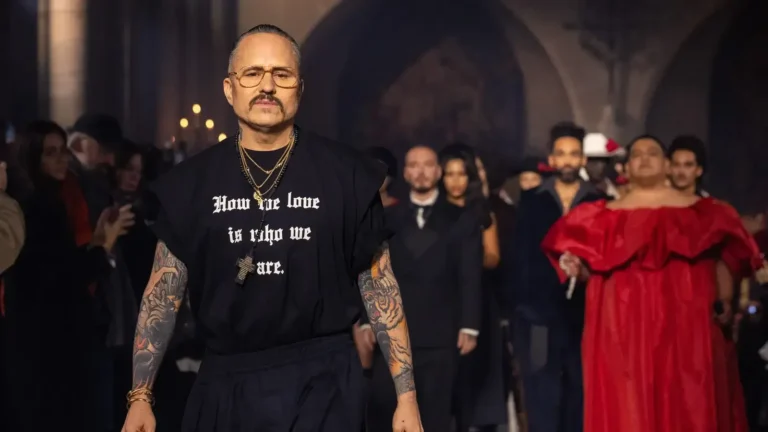
You can see this influence on international runways too. For his Fall/Winter 2026 collection with Adidas, fashion designer Willy Chavarria presented football pieces inspired by iconic uniforms of the past.





Is the sports uniform business profitable?
The sports uniform business can be profitable when costs and production are well managed.
Profitability depends on factors such as order volume and how well materials are used. Delivering customized products within the agreed lead time also matters.
Major sporting events can also create significant demand spikes. Ahead of the 2026 World Cup, adidas reported 49% growth in its football business in the first quarter of 2026, driven mainly by new national team jerseys. Latin America was the brand’s fastest-growing region.
These shifts show how a sports season can open up new sales opportunities. To make the most of them, production has to respond quickly.
Picture a team that needs its shirts for a tournament two weeks from now. For that customer, meeting the deadline can matter as much as the design.
Understanding the market is only the first step. Operations also need to keep up with the sales opportunities.
Benefits of working with sports uniforms
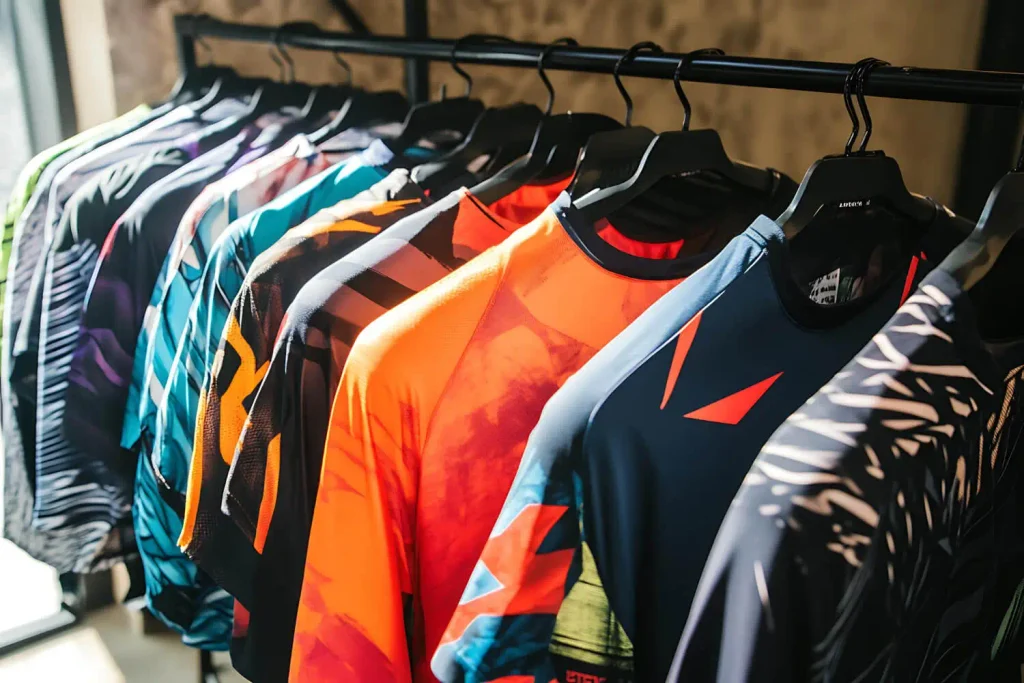
Sports uniforms can open up several business possibilities, especially for companies that can adapt to different types of customers. Here are the main advantages of this segment.
Steady demand
Sports create new opportunities all year round, as teams form, start new seasons and enter new tournaments.
School sports uniforms also tend to bring in repeat orders at the start of each academic year, which creates opportunities for long-term business relationships.
Wholesale orders
Larger orders can improve fabric utilization and make production easier to plan.
Teams, academies and schools usually need several units of the same style, even across different sizes. A single customer can therefore represent a significant order for the business.
Healthy margins
Margins can improve when production is well planned and waste and rework go down. Customization also adds value, especially when customers want a visual identity of their own.
Producing sports uniforms with organized processes can therefore help you build a more competitive operation.
Find out how businesses are approaching product design in a new era of fashion creation. Download the guide for free!
Common mistakes when starting a sports uniform business
One of the most common mistakes is focusing only on sales without defining how each order will be produced.
Another problem comes up when designs are developed without considering how the fabrics and garment manufacturing processes actually behave.
Avoid promising lead times your operation can’t meet yet. One late delivery can affect your relationship with an entire team.
Before you grow, it’s worth understanding where bottlenecks might appear.
Is the challenge in design? In pattern making? In cutting? Spotting it early helps you make better decisions.
As the business grows, its structure has to grow with it. Kiricocho, an Argentine casual wear brand inspired by football, is a good example of how this world can reach beyond sports.
Is it better to run a general or a specialized sports store?
It depends on the audience you want to serve and the value proposition you want to build for your business.
A general store can attract customers with different needs. A specialized store can build deeper knowledge of one segment.
For example, a company focused on custom football uniforms can build an offer designed specifically for tournaments.
Specialization can also make it easier to talk with customers, because it helps you understand their needs better.
Read more: Explore the growing power of the activewear industry
Best-selling types of sports uniforms
The best-selling sports uniforms are usually for sports that people play often and that have a strong team culture.
The market offers opportunities that range from classic football uniforms to garments for other sports. Here are the main ones.
Football uniforms
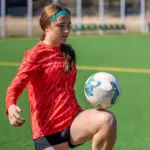
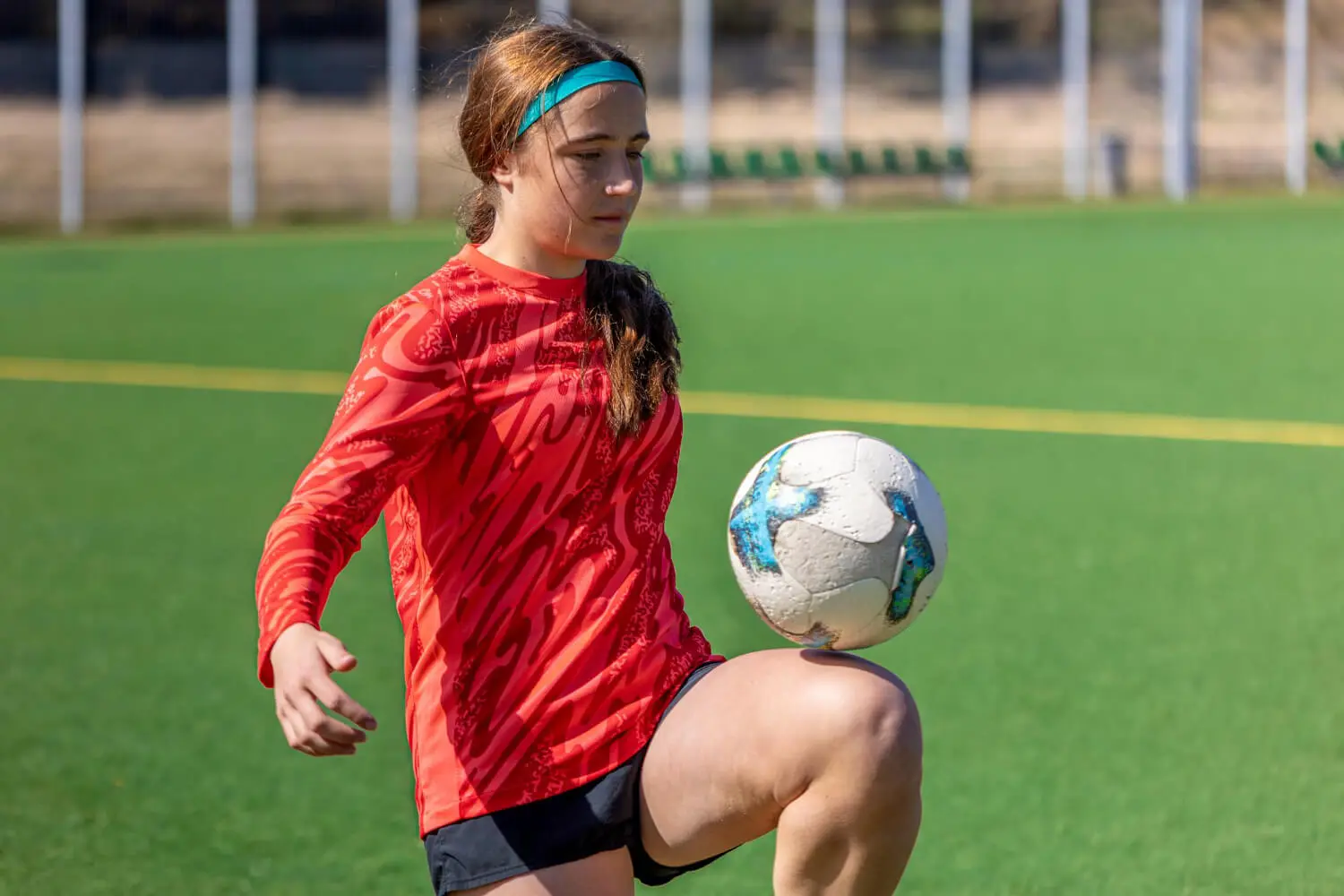
Football uniforms have a strong presence in clubs, academies, tournaments and amateur teams. Besides the jersey, the kit can include shorts and other items, depending on what the team needs.
Custom football uniforms also let you work with names, numbers and the team’s own visual elements.
Basketball kits
Basketball calls for garments that give players freedom of movement and comfort during games.
Kits often have eye-catching designs and can be adapted to different team identities. That also leaves room for sports uniforms that combine performance and customization.
Running and fitness apparel
Running is also gaining ground and opening new opportunities for sportswear. According to Strava’s 2025 Year in Sport report, running clubs on the platform grew 3.5 times, and Colombia was one of the countries where users ran in groups most often.
This growth is driving demand for comfortable, lightweight garments, especially among running groups and at sporting events.
Padel and tennis apparel
Padel and tennis require garments that keep up with constant movement without restricting the player. Shirts, shorts, skirts and other pieces can make up dedicated collections.
Clubs can also become repeat customers when they need to refresh their apparel.
School uniforms
School sports uniforms are another interesting segment if you want to open a specialized store.
Orders can be concentrated in certain periods of the year, so planning production ahead is especially important. Good planning helps you handle these peaks without delaying other orders.
Read more: Learn how to use fabric technology in your fashion designs
Key elements of sports uniform design
Designing sports uniforms means thinking about the people who will wear them during physical activity. Looks matter, but they have to work with the right materials and processes.
Here are the main elements that can shape the final result.
High-performance fabric
The fabric has to suit the type of activity and the conditions it will be used in.
A running shirt, for example, may need different properties from a garment for playing basketball.
Printing process
Printing determines how colors, crests, names and other elements are applied, and it also affects how long the garment lasts.
Sublimation and screen printing are among the most widely used techniques. The right choice depends on the fabric, the design and the order volume.
This matters most for garments that are washed often. Poor-quality printing can fade, crack or peel with wear and repeated washing.
Color psychology
Colors help build recognition and can convey different feelings, depending on the team’s identity and its audience.
Have you noticed how you can recognize some teams before you even read their name? High-contrast color combinations also keep crests, numbers and names visible.
For example, yellow and purple create a striking contrast, while shades like blue and green feel calmer. For children’s teams, bright colors can create a more cheerful, energetic look.
Customization and team identity
Customization turns a standard garment into a piece connected to a specific group. That’s why having someone in charge of design helps turn the team’s identity into a coherent visual concept.
In custom football uniforms, for example, names, numbers and crests should be integrated into the design to create an identity that is recognizable and appealing.
Read more: How to design a garment? Everything you need to know
What are sports uniforms made of?
Sports uniforms are usually made of synthetic fabrics, such as polyester, and blends designed for comfort and durability. The choice depends on the sport, how the garment will be used and the level of performance expected.
It’s also important to consider how the material will behave during cutting, sewing and customization. Choosing the right material from the start can prevent problems later in production.
Read more: Discover the best types of fabric for your clothing company
What properties should you consider when creating sports uniforms?
When you create sports uniforms, consider the properties that affect both performance and how the garment feels to wear:
- Breathability: improves airflow and helps control moisture during physical activity
- Stretch: allows more freedom of movement and moves with the body
- Lightness: reduces the garment’s weight and makes exercise more comfortable
- Strength: helps the garment handle frequent use and washing without losing its properties
- Quick drying: helps sweat evaporate so the garment can be worn again sooner
- Print durability: keeps colors, names and crests in good condition even after many washes
What does a professional sports uniform include?
A professional sports uniform can include different garments, depending on the sport and the team’s needs.
The kit is often built around a few essential pieces that form a coherent visual identity. Here are some of the most common.
Shirt or jersey
The shirt or jersey is usually the piece that most identifies the team and carries most of the design.
It can feature the crest, colors, number, player name and sponsors, giving the team a visual identity of its own.
Shorts
Shorts go with the jersey and need to allow freedom of movement during play. Their design can use the same colors and graphic elements as the top.
Jackets
Jackets can be worn during training, travel or before competitions. They’re also a way to expand your offer with complementary garments.
How can technology optimize uniform production?
Technology can optimize sports uniform production by reducing manual tasks and improving accuracy at different stages.
When an order combines several sizes and designs, checking every detail by hand can take a lot of time.
Digital tools help you organize information, develop patterns and prepare processes with more control.
They also let you store the information for each style and reproduce it more easily when the customer needs more units.
Automate your sports uniform production with Audaces360

To grow, a company needs to connect the different stages involved in creating and producing garments.
Audaces360 is an ecosystem of solutions that supports this journey, from creation to sales. For example, LooksMaker lets you develop visual concepts, while Audaces Isa, a Fashion PLM, helps you manage collection information.
These are just some of the solutions in Audaces360. Explore all the options and find the ones that best fit your day-to-day work.
FAQ
Sports uniform fabric is usually made of synthetic fibers such as polyester, although blends are also used, depending on how the garment will be used.
Sports uniforms can combine polyester, elastane, thread, elastic, zippers and other materials, depending on their design and use.
When you create sports uniforms, consider properties such as breathability, stretch, lightness, strength, quick drying and durability.