
Table of contents
Summary
- Knowing the different types of clothes is essential for classifying them correctly.
- They can be divided by fit, occasion, etc.
- Create, model, and approve different types of clothes with Audaces360!
To say there are many different types of clothes is an understatement. With the evolution of fashion, technology, and society, it is notable that we have varieties for every kind of style.
Staying attentive to the classifications of each type is crucial for anyone working in fashion. From women’s and men’s types of clothes to children’s wear, and even those based on fit and usage occasions.
In this article, we will present several different types of clothes so you know exactly how to classify them at launch time.
Enjoy the read!
What are the different types of clothes?
Types of clothes can be classified in various ways, considering gender, function, fabric, fit, and occasion. This variety follows the cultural, technological, and behavioral changes observed over the last decades in the fashion industry.
When analyzing types of clothes, you should consider categories such as:
- Women’s wear
- Men’s wear
- Children’s wear
- Sportswear
- Formal and casual wear
Each group meets specific needs and presents its own characteristics that directly influence the creation and positioning of a collection.
For designers, understanding these classifications facilitates creative and strategic decisions, ensuring coherence between design, target audience, and the brand’s value proposition.
What is the difference between woven and knitted clothes?
Woven clothes are produced with yarns interlaced at right angles, creating structured, firm fabrics with less elasticity. This construction is common in pieces like dress shirts, tailored trousers, and jackets.
On the other hand, knitted clothes are made from yarns interlaced in loops, which creates more flexible fabrics. This elasticity provides greater comfort and freedom of movement, making it ideal for casual and sportswear.
According to technical studies in the textile industry:
- Knits tend to adapt better to the body
- Wovens offer greater durability and a structured finish
This difference directly impacts the choice of material during collection development. For designers, understanding these characteristics allows them to choose the most suitable fabric for each proposal, balancing aesthetics, functionality, and comfort.
Main types of fabrics for clothes
Fabrics are the foundation of any piece of clothing and directly influence the drape, comfort, and durability of the product. Choosing the correct material is one of the most important decisions in the creation process of a collection.
Among the main types of fabric, you will find natural, synthetic, and mixed options, each with specific properties. Natural fabrics, such as cotton and linen, offer breathability and thermal comfort, being widely used in everyday types of clothes.
Synthetic fabrics, such as polyester and elastane, guarantee resistance, elasticity, and ease of maintenance. They are heavily used in sportswear and body-hugging pieces. According to specialized fashion and textile publications, the combination of fibers has grown, as it allows for combining comfort and performance in a single product.
Read more: Discover the best types of fabric for your clothing company
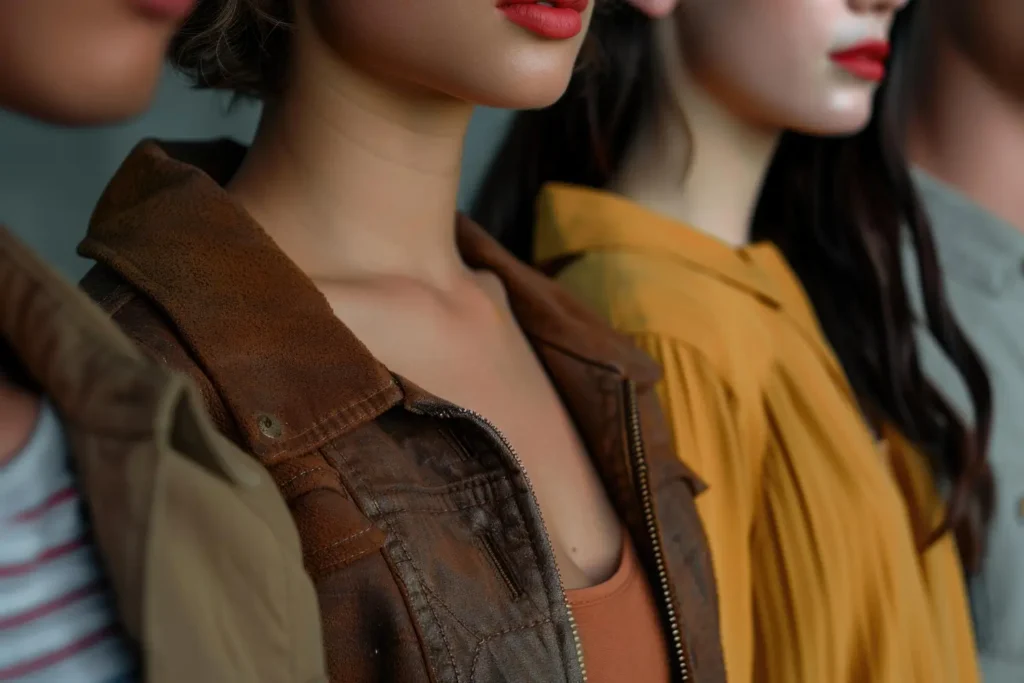
Most used types of women’s clothes
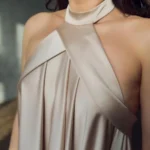
Dresses
Versatile pieces that cater to different occasions, varying between casual, formal, and festive models with high market acceptance.
Blouses
Essential items in the female wardrobe, offering numerous variations in fit, fabrics, and styles for different audiences.
Skirts
Remain relevant, especially in collections exploring femininity, movement, and different lengths adaptable to current trends.
Pants
Women’s pants have evolved significantly, including models like wide-leg, skinny, and cargo, meeting different preferences for style and comfort.
Jumpsuits
Gained prominence for their practicality and modern appeal, being used in both casual looks and more sophisticated productions.
Read more: 10 must-have types of dresses to feature in your collection
Best-selling types of men’s clothes
T-shirts
Basic and indispensable pieces, with high retail turnover and a wide variety of styles, colors, and prints available.
Dress shirts
Fundamental in formal and corporate environments, offering elegance and versatility for different daily combinations.
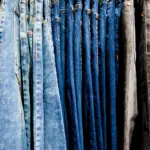
Jeans
Lead sales due to their durability and adaptability, being used in casual productions and even semi-formal contexts.
Shorts
Key pieces in warm climates, combining comfort and style for leisure moments and informal activities.
Jackets and coats
Add value to men’s collections, especially in cold regions or in seasonal fashion proposals.
Read more: Why is a men’s clothing size chart important for your brand?
What types of clothes are essential for a capsule collection?
A capsule collection brings together versatile, timeless pieces that are easy to combine, allowing for various compositions with a reduced number of items. This concept has gained strength due to the search for more conscious and functional consumption.
Among the main types of clothes for this model, you should include basic t-shirts, neutral pants, versatile jackets, and simple dresses. These pieces serve as the base for different combinations, meeting various occasions with few adjustments.
Consumer behavior reports show that customers value practicality and durability, which reinforces the importance of multifunctional pieces. For designers, creating a capsule collection requires attention to design, color choice, and material quality.
Read more: Step-by-step guide to create a capsule collection
Create your capsule collection 100% digitally! Download the material and discover how:
Main types of clothes based on fit
Pattern making defines how clothing behaves on the body and directly influences comfort, aesthetics, and style perception. Understanding the types of fit is essential to create pieces aligned with trends and audience preferences.
Straight
Straight fits present a uniform drape without clinging to the body, offering comfort and versatility for different body types and occasions.
Oversized
The oversized style uses wide and exaggerated proportions, creating looser pieces that prioritize comfort and a modern, urban aesthetic.
Skinny
Skinny fits are adjusted to the body, highlighting the silhouette and being widely used in pieces like pants and clothing with elastane.
Slim
The slim fit balances comfort and elegance, offering a drape closer to the body without being extremely tight or restrictive.
Read more: How to select pieces of clothing for a fashion collection?
How to classify types of clothes by usage occasion?

Classifying types of clothes by usage occasion helps designers create more coherent and functional collections. See some examples:
Casual clothes
Casual clothes meet daily needs, prioritizing comfort, versatility, and ease of combination. This style includes pieces like t-shirts, jeans, light dresses, and basic sets. These clothes usually use softer, breathable fabrics like cotton and jersey.
Sportswear
Sportswear is developed for physical practices and activities requiring mobility, resistance, and thermal comfort. These pieces use technical fabrics like polyester and elastane, offering elasticity and quick drying.
Modern clothes
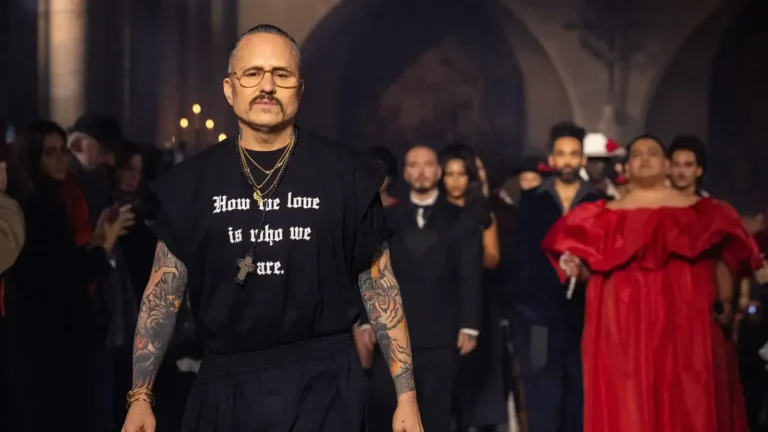
Modern clothes reflect current trends and cultural shifts, exploring new cuts and materials. This includes streetwear, with its urban origin; casual-sporty, influenced by the athleisure trend; Y2K style, revisiting the 2000s; and genderless style.
Luxury clothes
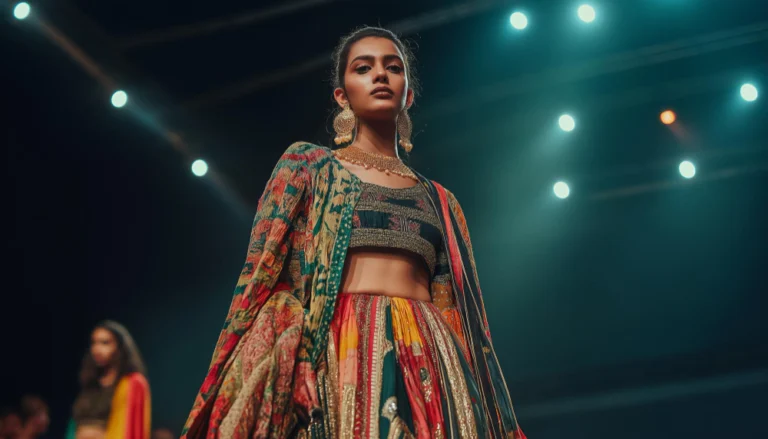
Luxury clothes focus on exclusivity, superior quality, and impeccable finishing. Within this universe, Haute Couture represents the highest level of fashion custom-made pieces with artisanal production and noble materials like silk and premium wool.
Read more: Discover the history and main criteria of haute couture
Which types of clothes require more care with quality?
Items with higher added value, such as luxury clothing, tailoring, and party wear, demand extra attention regarding the quality of materials and finishes. These products must meet high expectations for durability and aesthetics.
Furthermore, sportswear also requires rigorous control, as these pieces must offer technical performance and resistance to frequent use. Failures in these aspects can compromise the consumer experience.
According to textile industry experts, quality directly impacts brand perception and customer loyalty. Therefore, investing in solid production processes is essential.
For designers, ensuring quality means aligning design, raw materials, and execution, creating pieces that deliver real value to the consumer.
Create and manage various types of clothes with Audaces solutions
Managing different types of clothes requires organization, precision, and tools that optimize the creative and productive process. In this context, technological solutions help designers transform ideas into products more efficiently.
Audaces offers complete tools for collection development, from creation to production. These solutions facilitate the management of different categories of clothing, ensuring consistency and agility.
By using technology, you can reduce errors, accelerate processes, and increase the quality of the developed pieces, becoming a major competitive differentiator in today’s market.
Audaces Fashion Studio
Audaces Fashion Studio allows you to create pieces in 3D with high precision, facilitating realistic visualization even before physical production. This functionality helps designers anticipate adjustments, reducing errors and rework during development.
With this tool, you can simulate fabrics, drapes, and movements, making the creative process more agile and assertive. Additionally, it is possible to quickly test different variations of colors, prints, and patterns, optimizing the collection’s creation time.
For those working with diverse types of clothes, using 3D facilitates standardization and ensures greater consistency across items.
Audaces Sofia
Audaces Sofia is an AI that supports the creative process by suggesting prints, color combinations, and design variations based on sketches. This technology acts as a constant source of inspiration.
With this tool, you can explore different creative paths with more freedom, overcoming blocks and expanding possibilities within the collection. This is especially useful when working with multiple types of clothes and styles.
Furthermore, Audaces Sofia allows for the rapid generation of realistic images, making it easier to present ideas to teams and clients.
Audaces Isa
throughout the development of collections. It serves as strategic support in the designer’s daily routine.
With Isa, you can access relevant information about the collection status and those responsible for each stage. This increases productivity and reduces time spent on operational tasks.
IZ Têxtil Success Story
For those managing different collections, this assistance streamlines the stages and improves decision-making, resulting in more efficiency and control over the entire creative and productive process.

“I usually say that there is an IZ before and an IZ after Audaces.”
These were the words of Iara, partner-owner of IZ Têxtil. With the implementation of Audaces Isa and Audaces Fashion Studio, the team eliminated delays and moved to nearly 100% virtual approvals.
Want to know more? Click here to see the full IZ Têxtil + Audaces case study!
FAQ
The main types of clothes include casual, sports, formal, and luxury pieces, varying according to style, function, and consumer behavior.
You should choose types of clothes based on your target audience, trends, and the brand’s proposal to ensure consistency.
Understanding types of clothes helps designers create more strategic collections aligned with market demands and customer expectations.