

Summary
- AI-driven design tools are becoming part of the daily workflow for fashion designers everywhere.
- Smart tools speed up repetitive tasks without replacing creative judgment.
- Deliver collections 2x faster with Audaces360!
AI creation is changing the daily routine of apparel companies around the world. It creates a faster, more connected process that pairs a designer’s artistic instinct with the speed of technology.
That combination leads to quicker collection delivery, fewer production errors, and happier clients.
Curious how AI creation actually works? This article walks through the stages of the creative process that benefit most from the technology, along with tips on how to start using it.
Happy reading!
Sumário
How is AI changing the way manufacturers build collections?
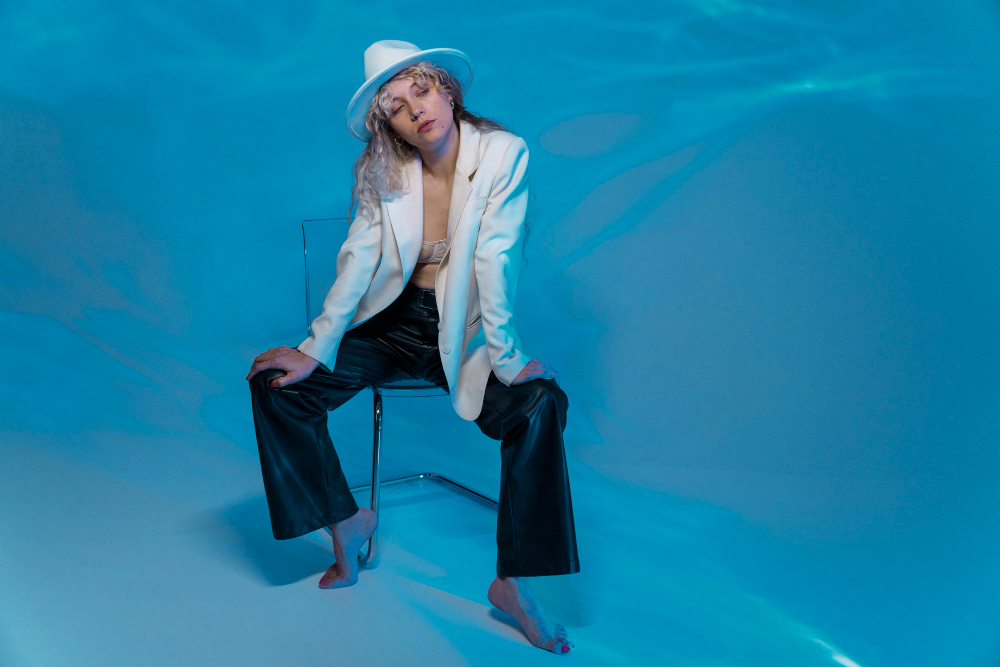
Collection building has found a new rhythm since artificial intelligence arrived in fashion studios. Designers who once spent weeks digging through references now gather inspiration in a matter of hours.
Major houses like Gucci, Prada, and Burberry have already folded AI into their creative strategies, according to industry experts, using it to sharpen trend analysis and read consumer behavior data. Industry reports go further, suggesting AI use is shifting from a competitive edge to a business requirement.
None of this means replacing human work. It means speeding up the parts of the process that eat up time. AI helps organize visual references, suggest color palettes, and even simulate drape before a piece exists physically. Designers end up with more room to test ideas and fewer mistakes once production starts.
Understanding this shift is the first step toward keeping pace with where fashion is heading.
Read more: Artificial Intelligence design: how to use it in your fashion creation

Which stages of the design process can AI support?
The traditional creative process runs through several stages, and artificial intelligence can now support nearly all of them. From early research through final validation, the technology steps in as an ally that saves time and cuts down on rework, freeing designers to focus on what matters most: the creative core of a collection.
Here’s a closer look at which phases benefit most from this partnership between human creativity and technology.
Trend and reference research
AI scans huge volumes of data in seconds, spotting patterns a manual search would likely miss. That lets designers catch emerging trends before they even hit the sales floor.
AI tools also cross-reference social platforms, runway shows, and consumer behavior, painting a fuller picture of the market than any single source could offer on its own.
Read more: Online fashion design: 5 apps to boost your creativity
Building the collection concept
Once research wraps, it’s time to turn references into a concept. AI helps pull loose ideas into a coherent narrative, suggesting themes, palettes, and textures that fit the target audience.
Designers end up structuring a collection concept faster and with more clarity from the very start.
Read more: How to create a moodboard? 10 tips for fashion inspiration
Testing different combinations
Manually testing combinations of fabric, color, and pattern eats up hours. AI generates dozens of variations in minutes and lets designers compare results side by side, opening up creative paths that might never have surfaced in a traditional workflow.
Read more: Learn the most practical way to use AI drawing in fashion
Validating ideas before production
Before committing to physical production, AI makes it possible to preview how a piece will look once finished. Designers can validate proportions, colors, and drape without burning through fabric or sewing time, and that early validation cuts down on errors and rework later in the process.
Read more: 3D clothing design software: what is the best option to invest in?
Does AI replace designer creativity?

No, artificial intelligence does not replace a designer’s creativity.
Fashion industry experts consistently point out that AI can support the creative process, but it doesn’t replace human judgment, aesthetic sense, or the sensibility fashion professionals bring to the table.
The technology works as a support tool, not a stand-in for artistic instinct. Human perspective remains essential for reading cultural context, emotion, and the intent behind a collection. AI processes data and suggests directions, but the designer decides what actually fits the brand. That partnership between technology and human creativity strengthens outcomes without erasing the authorial core of the work.
Fashion also carries meaning that goes beyond statistical patterns. A collection communicates identity, a moment in time, and a feeling. These are elements a machine still can’t grasp on its own. The designer’s role stays essential, only now with more time to focus on the strategic and conceptual side of creation while AI handles the operational, repetitive tasks.
Read more: The 4 most common myths about fashion AI you should know
How can manufacturers start using AI in product development?
Getting started with artificial intelligence in product development happens one step at a time. Nobody needs to master the entire technology at once to see results.
The best approach is starting small and expanding as confidence builds. Here’s a simple path to get moving.
Before picking a tool, look at where the creative process slows down most. Reference research, combination testing, and pattern adjustments tend to take up the most time, and pinpointing those bottlenecks makes it much easier to direct AI toward the areas that will bring real productivity gains.
Not every AI tool understands the specifics of fashion. Solutions built specifically for the industry already recognize fabrics, patterns, and market trends, which brings results closer to the reality of a production floor.
A first contact with AI can be simple: use it to gather references and test early concepts. This stage carries low risk and high learning value since no physical production is involved, and it gives designers confidence before moving on to more advanced phases.
After generating ideas with AI, always review the results with a critical eye. Compare the suggestions against the brand’s identity and target audience. That’s what keeps the technology a strategic ally rather than an unsupervised, automatic decision-maker.
Design and simulate garments with Audaces Sofia
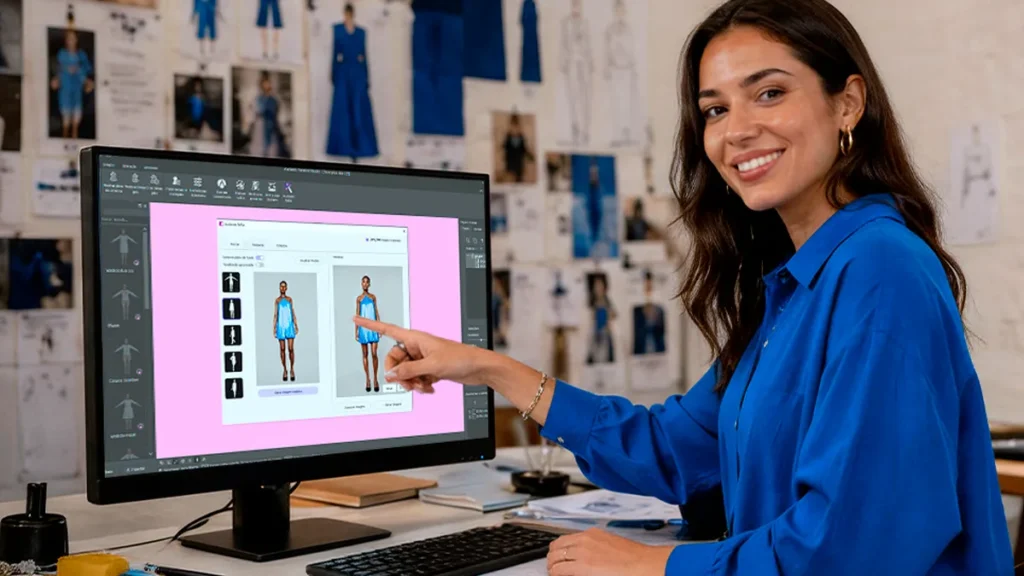
Audaces Sofia brings together artificial intelligence and technical fashion knowledge in a single platform. Designers can explore concepts, test combinations, and simulate pieces before physical production, saving time and cutting down on errors throughout the creative process.
Get to know Audaces Sofia and see how the technology can transform a creative routine.
Discover Audaces360 and unlock a world of possibilities for fashion design and production. Explore our comprehensive suite of solutions today.
FAQ
Yes. AI creation tools are built to be accessible, and designers pick up the basics quickly through everyday use.
The first results typically show up during research and concept generation, often within minutes of use.
Yes. It adapts to different styles and goals, from conceptual collections to pieces built for large-scale consumption.