

Table of contents
Summary
- Production management is a very important task for garment manufacturers.
- It ensures production efficiency along with savings.
- Manage your fashion collections with Audaces360. Discover it now!
Production management is fundamental for fashion garment manufacturers that wish to have well-planned, organized processes and better results. It brings several advantages to the business’s daily routine.
Today, management can be done with the help of the right technological tools. Software ensures that this process is carried out in an agile, assertive, and optimized manner.
Want to know everything about production management in apparel manufacturing and how Audaces solutions can help you do it strategically? You have come to the right place!
Enjoy the read.



What is production management?
Production management is a field of work that encompasses various activities related to the administration of an industry’s production processes.
It ensures the planning, organization, command, execution, and monitoring of every single part of the work. From raw material extraction to final product distribution, production management standardizes the process from end to end.
All areas of fashion manufacturing benefit from this work. It guarantees a more controlled routine, on-time deliveries, reduction in rework, maximum productivity, and data-driven decisions.
In the end, all of this reflects on customer satisfaction and results in successful collections.
What is the role of production management?
The role of production management is to ensure efficient, economical processes that bring positive results to the fashion manufacturer.
In short, it serves to increase production, maximize profits, and reduce costs at the same time. Achieving this balance might seem far-fetched and challenging, but well-executed management brings this result naturally.
In addition to the internal impact, production management also alters your apparel manufacturer’s relationship with the external world. It optimizes the exploitation of natural resources, the efficiency of the industrial fashion market, and the quality of life of the employees.
Read more: 4 key steps to streamline your fashion production process
Why should your garment manufacturer do this management?
Carrying out this management brings several advantages to the daily routine of your fashion garment manufacturer.
Among your team, performance will increase, rework will decrease, and errors will be minimized. Consequently, customer service will improve, deliveries will be made on time, and relationships with clients will take off.
With this, your client base will become increasingly loyal, and recurring revenue will be boosted. Combine this with the fact that production management also reduces costs, and you soon have the perfect recipe for profitability.
In turn, profitability and good relationships with customers improve your image before the market. Your company stays ahead of the competition and stands out to the general public.
Read more: How to maximize your fashion results with a production order
Main steps of production management

Production management consists of about five steps. Each one is important and plays a specific role in optimizing processes.
Learn about each of them below:
Planning
The planning step is the time to define clear objectives, strategies, and paths for the manufacturing production process.
Here, the goal is to align demand, production capacity, deadlines, and available resources, avoiding decisions based purely on guesswork.
A good plan considers order volume, the product mix, production time through each step, and team availability. Furthermore, this phase helps the production manager anticipate bottlenecks, forecast costs, and structure a realistic schedule.
When well executed, planning reduces delays, prevents waste, and creates a solid foundation for all upcoming steps.
Read more: 5 strategies for production planning in the fashion industry
Organization
In organization, the focus is on structuring human, material, and technological resources to execute what was planned. This involves distributing tasks, defining responsibilities, and ensuring that every employee knows exactly what to do.
It is also during this step that inventory management, input control, and the definition of the production process flow come into play.
Good organization prevents rework, loss of raw materials, and confusion in the day-to-day operations of industrial production. It is essential that this structure is clear, simple, and easily adjustable as demand shifts.
Command
Command is linked to leadership and decision-making during the course of production.
The production manager follows the team, guides employees, and resolves problems that arise on the factory floor.
Here, clear communication is fundamental to ensure everyone follows the planning correctly. In addition, efficient command keeps the team engaged and aligned with the manufacturing goals.
When this step fails, even a good plan loses strength and results are compromised.
Execution and control
Execution is the moment when the planning leaves the paper and the production process takes place in practice. Control, on the other hand, ensures that everything is being done as planned, within the defined standards.
Control tools help track deadlines, quality, material consumption, and team productivity. This step is necessary to identify flaws quickly and correct deviations before they become major problems.
With efficient control, the manufacturer maintains its production pace and reduces operational costs.
Monitoring
Monitoring analyzes production results in a continuous and strategic way. This is where performance indicators come in, such as productivity, waste, production time, and operational efficiency.
These data show what is working and what needs to be adjusted to achieve continuous improvement. Furthermore, monitoring helps base future decisions and optimize the production process.
Without this step, management loses its strategic vision and acts only reactively.
Read more: Process management and its role in the textile industry
How to do industrial fashion production management?
Managing industrial production requires organization, constant analysis, and the support of the right technology.
Industrial production is a complex system with several interconnected steps that need to operate in balance. Therefore, it is necessary to adopt clear methods, set realistic goals, and track results daily.
Below are essential practices to structure efficient management in fashion manufacturing:
Align demand and production capacity
The first step is to understand how much the market demands and how much your garment manufacturer can produce.
This alignment prevents delays, team burnout, and promises that cannot be kept. When demand and capacity go hand in hand, production flows better and results appear.
Define strategic actions to improve results
Based on data, it is possible to create actions to correct flaws and improve production performance.
These actions can involve adjustments to the flow, redistribution of tasks, or investments in technology. The important thing is to act strategically, always seeking efficiency and cost reduction.
Schedule and track processes
Scheduling production helps visualize deadlines, priorities, and dependencies between steps.
Daily tracking ensures that everything is happening as planned. Management software facilitates this control and brings more security to the production manager.
Monitor results
Monitoring results is essential to understand whether actions are working.
Performance indicators show strengths and opportunities for improvement in the production process. This continuous monitoring sustains ongoing improvement and the growth of the garment manufacturer.
Read more: 5 fashion production performance indicators to monitor
Common mistakes to avoid in production management
Even experienced teams make mistakes that compromise production efficiency and results.
Understanding and avoiding these common flaws makes all the difference, as the goal is to have more reliable and solid processes.
Below are the main mistakes that harm production management and how you can prevent them in your fashion garment manufacturer:
- Lack of early planning causes production to become disorganized and generates rework
- Ignoring performance indicators makes data-driven decisions impossible and prevents continuous improvement
- Not using management software can make the process slow and prone to human error
- Deficient inventory management causes a shortage of materials or an excess of dead stock
- Inefficient communication between sectors makes the production flow slower and more confusing
- Making decisions without a basis in real data leads to reactive and ineffective strategies
Looking for tips to increase the productivity of your garment factory? Download the free infographic!
7 benefits of good production management
Good production management transforms the manufacturing routine and improves results in the short and long term. It brings more predictability, control, and efficiency to the production process.
See the main benefits of this practice in the daily life of the fashion industry:
1) Correct execution of activities
Tasks are performed according to schedule, with fewer errors and less rework.
2) Delivery efficiency
Deadlines are met with greater ease, and customer trust increases.
3) Optimization of financial management
Process control helps reduce costs and improve profitability.
4) Greater order control

All orders are tracked in real time, preventing omissions and delays.
5) Less waste and delays
Production becomes leaner, making better use of materials and time.
6) Maximum productivity
The team works in a more organized way and produces more with less effort.
7) Ease in generating reports
Clear reports assist in decision-making and future planning.
Read more: 5 steps to optimize your process of textile production
What type of garment manufacturer should adopt this practice?
Every apparel manufacturer, regardless of its size, should invest in production management. From small ateliers to large industries, everyone benefits from this organization.
The greater the complexity of the production process, the more essential this practice becomes. It ensures sustainable growth and preparation to compete in the job market.
How does a career in production management work?
A career in production management is ideal for those who like organization, strategic vision, and measurable results.
To start, many companies require a degree in Production Engineering, Administration, Fashion, or related fields. These degrees teach how to think through processes, lead teams, and manage resources.
In addition to formal education, it is necessary to develop skills such as data analysis, clear communication, and the use of management software. These help handle daily challenges. In everyday routines, a production manager coordinates teams, tracks the production process, resolves operational problems, and makes data-driven decisions.
They also work to optimize resources, reduce costs, and ensure that products are delivered with quality and on time.
In terms of the job market, this role is highly sought after in the fashion and apparel industry. Good production management reduces waste, improves efficiency, and makes the company more competitive.
Read more: 7 high-demand fashion jobs of the future you need to know
Best tools for production control
Managing production without the right tools is like trying to navigate without a map.
For a production manager seeking efficiency, control, and cost reduction, technological tools are essential. They help organize tasks, control steps, track performance indicators, and ensure that each production order is executed with precision.
Here are some of the main tools for you to implement in your production process:
- Integrated management software (ERP) to unify sectors and data in a single system
- Inventory control systems to avoid shortages or excesses of material
- Dashboards with performance indicators that display productivity, times, and costs
- Planning and scheduling tools that help sequence tasks correctly
- Automated production reports to facilitate analysis and decision-making
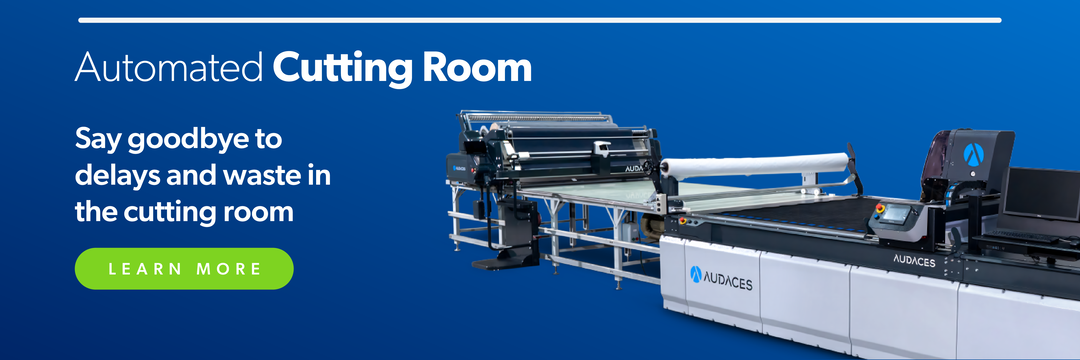
- Cutting room solutions and smart cut planning that optimize fabric resources
How can technology help in production management?
Technology simplifies tasks, reduces errors, and improves decision-making.
Management software centralizes information and provides a complete view of the production process. Furthermore, it automates controls, facilitates analysis, and increases productivity.
With technology, management becomes more strategic and less operational.
Manage your garment production with Audaces technology
Relying on modern and integrated technology raises the level of production management and puts your apparel manufacturing ahead in the market.
Audaces offers solutions designed both for those who create fashion and for those who need to control and optimize production processes.
Audaces Isa
Audaces Isa is a Fashion PLM that organizes, plans, and centralizes all information from the creative and productive process. It centralizes team data, improves communication between departments, and reduces collection development time.
With Isa, it is possible to track the progress of each product in real time, store files securely, and generate dynamic reports for strategic decisions.
This helps reduce costs and increase assertiveness in delivering collections.
Audaces ICF
Audaces ICF is a specific system for cutting room management, connecting people and equipment digitally. It allows the manager to program cutting orders with numbers of spreads, layers, cuts, and the required amount of fabric.
During production, ICF monitors what was planned versus what is being executed, alerting to differences and suggesting automatic corrections.
This technology improves spreading and cutting control, reduces errors and waste, and optimizes material use, resulting in a more efficient cutting room integrated with the rest of the process.
LIVE! Success Story

Movement is the passion of this fitness brand, which today is one of the largest in Brazil.
To reach this level, they needed to look for solutions to increase production efficiency. Their passion for innovation caused their paths to cross with Audaces.
With the help of ICF and integration with ERPs, LIVE! managed to:
- Reduce production by 275 hours/month
- Achieve 7x faster planning
- Centralize information
Click here and find out the full story!
FAQ
Production management is the set of practices that organize, plan, and control the manufacturing production process.
Production management helps identify bottlenecks, waste, and flaws in the production process.
Tools such as management software, inventory control systems, and performance indicators support production management.