Table of contents
Summary
- Limited edition collections help brands create exclusivity and stronger emotional connections with customers.
- With the right planning, launching a limited edition collection can boost visibility and brand value.
- Get monthly industry insights straight to your inbox. Subscribe to our newsletter!
Limited edition lines have become a powerful strategy in the fashion industry. Designers use them to stand out, test new ideas, and connect with consumers in a more meaningful way.
But what exactly defines a limited edition collection? Is it just about producing fewer pieces, or does it involve a broader creative and business approach? Understanding this concept is essential before applying it to your brand.
In this article, we’ll break down what makes a limited edition collection, why it can be a smart move for your brand, and how to launch it efficiently.
Happy reading!
What is a limited edition collection?
A limited edition collection is a line produced in a restricted quantity or available for only a period. Instead of continuous restocking, the brand defines clear limits from the start.
They often explore a specific concept, story, or creative direction. Designers use them to experiment with materials, silhouettes, or ideas that may not fit into a permanent line. Because of that, limited editions tend to feel more expressive and curated.
Notice that the key element is scarcity, not cost. A collection can be accessible and still limited, as long as production volume and availability remain controlled.
In practice, these items allow brands to align creativity with strategy. They balance design freedom with smarter production decisions.
Why should I create limited edition collections?
Limited edition collections can offer more than just scarcity. They support creativity, reduce production risks, and create stronger connections between brands and consumers.
Below, we explore the main reasons why this strategy has become so relevant for fashion designers:
Creates a sense of exclusivity and desire
Exclusivity is one of the strongest emotional drivers in fashion. Interest naturally increases if a product isn’t available forever. This encourages faster decisions and stronger emotional responses.
Limited editions also make customers feel part of a select group. Owning a rare piece creates a sense of belonging and differentiation. That emotional value often matters as much as the product itself. As a result, desire grows organically.
Increases perceived brand value
Scarcity often signals quality and intention.
Limited editions position the brand as thoughtful rather than mass driven. Each launch feels deliberate, which strengthens credibility and reinforces brand identity in the long term.
Over time, this strategy helps elevate how consumers perceive the brand. Even permanent collections can benefit from the halo effect created by limited releases.
Helps test new designs with lower risk
Designers can introduce new shapes, fabrics, or concepts while keeping production volumes under control.
Smaller runs make customer feedback faster and more accurate. This allows brands to evaluate real market response before scaling a design or incorporating it into future collections.
In practice, innovation becomes more structured and sustainable, supporting creativity while preserving business stability.
Read more: Step-by-step guide to create a capsule collection
Reduces overstock risk and improves sell through
Overproduction remains one of the biggest challenges in fashion. In this scenario, limited editions directly address this issue by aligning supply more closely with demand. With fewer units produced, the risk of unsold inventory drops significantly.
Better sell through also means healthier cash flow. Products move faster, storage costs decrease, and production planning becomes more accurate.
Boosts marketing efforts and generates buzz
These collections have the power to create natural marketing moments. The idea of scarcity gives campaigns urgency and makes communication more compelling.
They perform especially well on social media. Countdown launches, behind the scenes content, and exclusive previews encourage sharing and conversation.
This translates into visibility without relying solely on paid media. The product itself becomes a storytelling tool.
Read more: 4 top tips for a successful fashion collection launch
Builds loyalty and engages the community
Exclusive items reward attention and engagement. Loyal customers feel valued when they get early access or special information about new drops. This strategy also strengthens the relationship between brand and audience.
Instead of passive consumption, customers actively follow launches and participate in the brand’s journey.
Engagement turns into loyalty, and loyalty turns into long term growth!
Do limited edition collections sell more?
Limited edition collections do not always sell more in volume, but they often sell better.
Because production is limited, brands usually see faster sell through and fewer unsold items. In many cases, pieces sell out in a shorter time frame compared to permanent collections.
From a business perspective, the result is often healthier margins and more predictable results.
Read more: How versatile clothing creates collections customers love
Types of limited edition collections
Collaboration
Collabs bring together two brands or a brand and a cultural icon.
These lines work especially well because they merge identities. When done with strategic alignment, they feel authentic and generate strong engagement across different consumer groups.
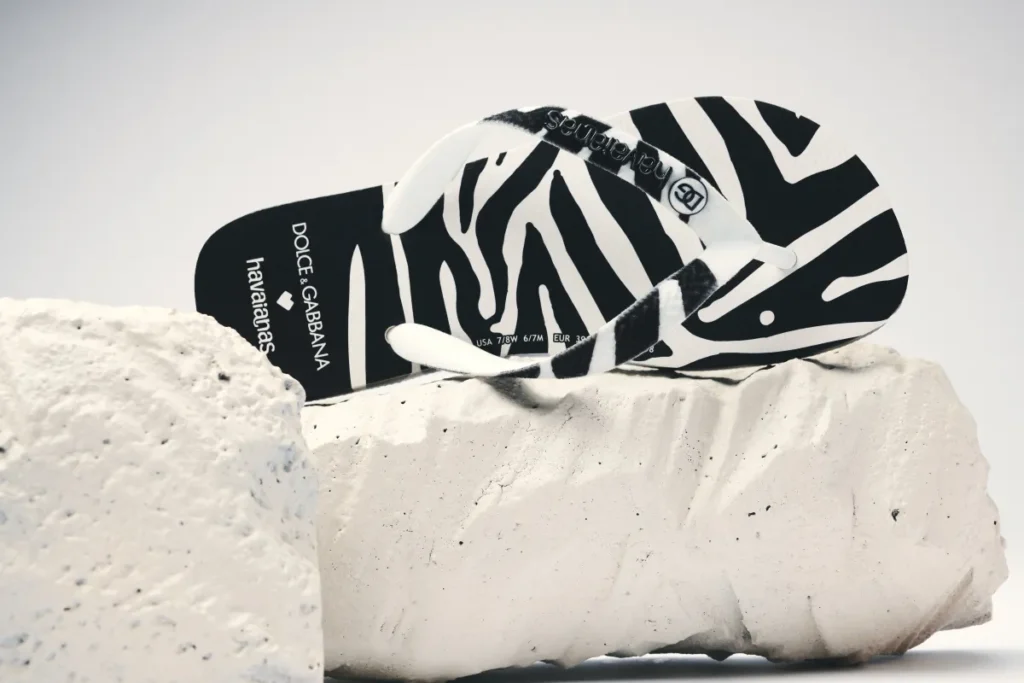
A good example is the Dolce & Gabbana x Havaianas collaboration. The collection combined luxury aesthetics with an everyday product, transforming a simple flip flop into a statement piece. The limited nature of the launch reinforced its appeal.
Anniversary
These collections celebrate brand milestones and reinforce heritage. They can revisit iconic designs, reinterpret archives, or highlight defining moments in the brand’s history.
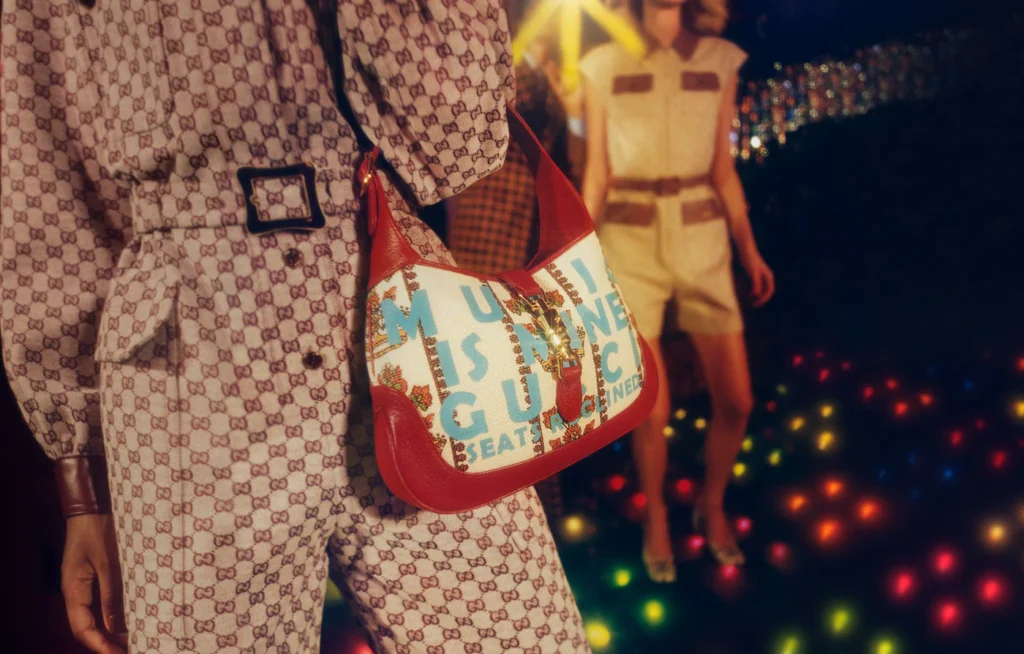
Gucci’s 100th anniversary collection is a strong reference. The brand used the occasion to honor its legacy while presenting updated silhouettes and contemporary styling.
This kind of launch is effective beucase it speaks directly to loyal customers. They strengthen brand storytelling and remind the audience why the brand matters.
Seasonal
Seasonal limited editions are tied to specific times of the year, like summer, winter, or holiday periods. They allow brands to explore colors, materials, and moods that feel timely and relevant.
Tory Burch’s summer collections illustrate this approach well. By focusing on a clear seasonal concept and limited availability, the brand creates products that feel fresh and intentional.
Read more: Discover the best types of prints for your collection
Special edition
Special editions are often linked to pop culture, events, or specific themes. They stand out for their playful, expressive, or unexpected nature.
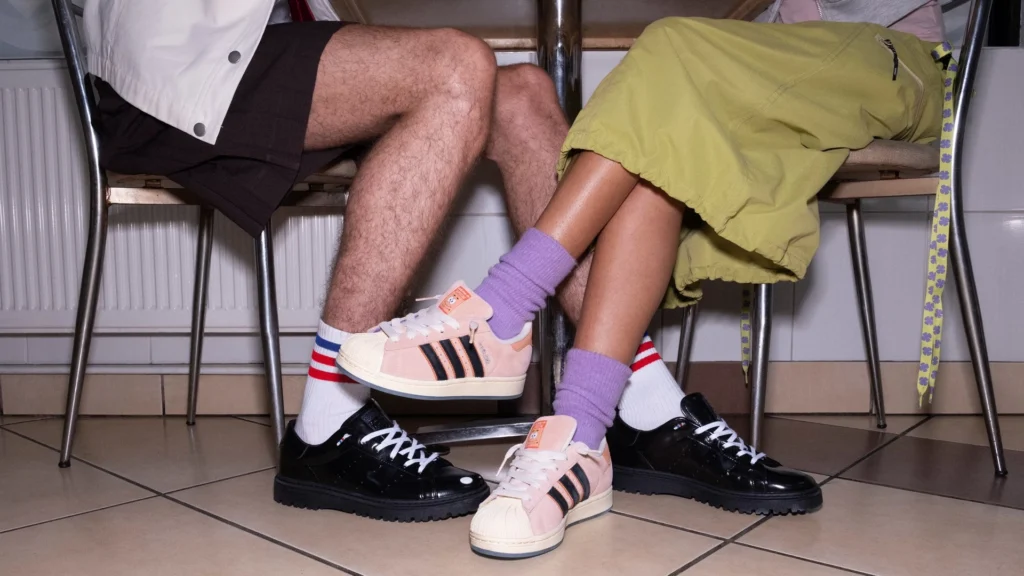
A clear example is Adidas Originals x SpongeBob footwear collection. The brand connected sportswear with entertainment, creating designs that resonated with both fashion fans and pop culture audiences.
This is a great idea because it creates emotional connections. It invites consumers into a shared moment, making the product more memorable than a standard release.
Looking for an easier way to launch your collection? Download our free resource and simplify your entire planning process!
How can I launch a limited edition collection faster?
For fashion designers, speed is rarely about working more hours. It’s about reducing friction between ideas and execution.
Find out how to streamline your work:
Use references and digital mood boards
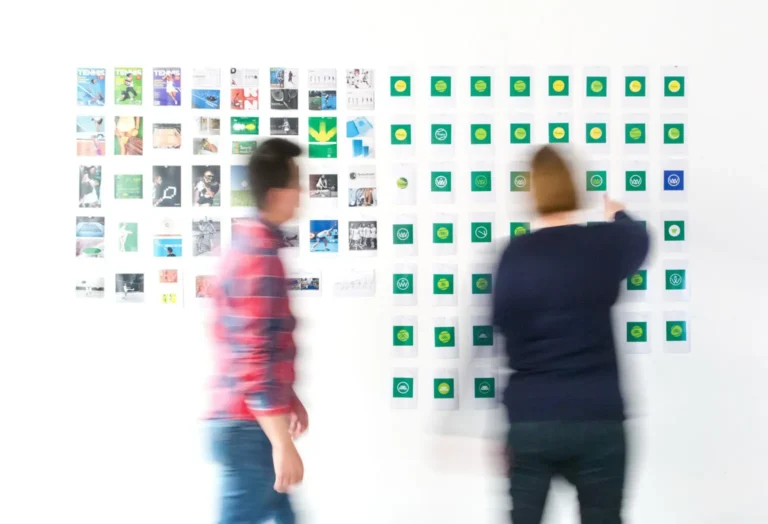
Digital mood boards allow designers to organize visual information in a way that evolves with the project. Colors, fabrics, silhouettes, and details stay connected. This way, it’s easier to check if new ideas still belong to the original concept.
Having this level of clarity reduces indecision later. When development accelerates, the team is not constantly revisiting the “why” behind each choice. The creative logic is already there.
Read more: How to create a mood board and organize your fashion inspirations?
Design digitally
Working digitally changes the tempo of the design process. Decisions happen closer to the moment of creation, instead of postponing until a technical phase begins.
Patterns, proportions, and construction details remain open to refinement as ideas take shape.
In exclusive projects, this way of working supports momentum. The collection grows through adjustment rather than interruption.
Leverage Artificial Intelligence
Technology works alongside designers, helping transform ideas into structured starting points.
By translating visual references, keywords, and stylistic intentions into design suggestions, AI accelerates the early stages of creation. It helps explore directions, variations, and combinations that might take much longer to test manually.
Read more: How to use Artificial Intelligence design in your fashion creation
Rely on proven patterns or smart adaptations
Starting from a validated base allows designers to focus on what actually differentiates the collection. Changes in proportion, fabric, finishing, or construction details can create a new result without triggering a full development cycle.
This approach keeps development predictable. Designers gain speed without compromising control and the collection moves forward with fewer revisions.
Create a 3D simulation
3D speeds up the approval process by allowing garments to be evaluated before any physical sample is produced. Designers can see the piece in volume, check proportions, and assess fit without waiting for sewing.
Because feedback happens earlier, changes are faster and easier to implement. This reduces the number of prototypes, saves material, and shortens approval cycles.
Read more: Discover 5 major benefits of 3D simulation for fashion
Use automated cutting to reduce lead times
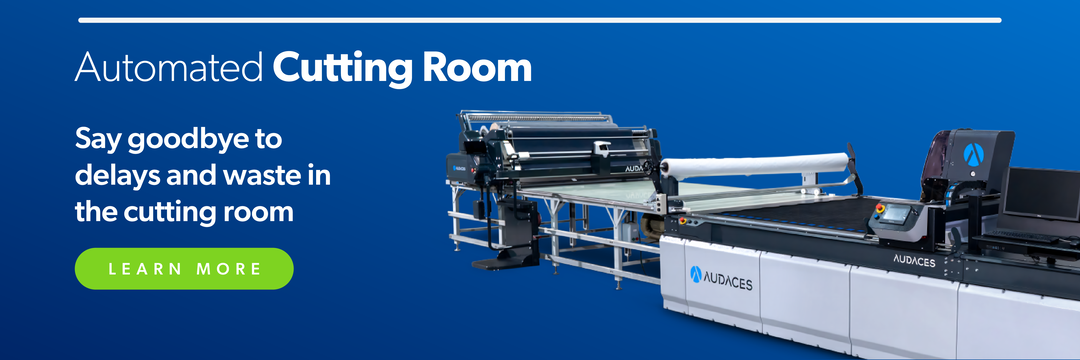
Automated cutting is the highest level of production technology available today. It delivers speed, accuracy, and repeatability that manual processes cannot match.
Even for small batches or limited editions, automated cutting makes perfect sense. Digital files go straight to execution and each piece is cut exactly as designed, without inconsistencies between units.
Develop limited edition collections with the best technology
Audaces360 integrates cutting-edge digital innovations to optimize workflows in the textile and apparel industry.
It caters to companies of all sizes and types, offering the flexibility to scale with your business needs.
All solutions were carefully developed to address the specific challenges of the field. They streamline the design and production processes, saving valuable time and resources.
The platform boasts a comprehensive range of functionalities, including 2D CAD, pattern making, marking, collection management, and 3D creation.
In addition, a fashion Artificial Intelligence to assist you along the way.
Discover Audaces solutions and unlock a world of possibilities from fashion design to sales. Explore our comprehensive suite of solutions today!
FAQ
A limited edition collection is a line produced in a restricted quantity or available for only a period. Instead of continuous restocking, the brand defines clear limits from the start.
They create a sense of exclusivity, increase brand value, help test new designs, boost marketing efforts, and generate buzz.
Limited edition collections do not always sell more in volume, but they often sell better. Because production is limited, brands usually see faster sell through and fewer unsold items.