


Summary
- Silk is one of the most widely recognized materials in premium apparel and luxury fashion.
- Choosing the right type of silk can directly influence a garment’s drape, structure, comfort, and final appearance.
- Take control of every stage of the production process with Audaces solutions!
Silk has held a unique place in fashion for thousands of years. Known for its softness, natural sheen, and fluid movement, it remains a popular choice for garments designed to convey quality and sophistication.
From evening dresses to lightweight blouses, silk can bring movement and elegance to a wide range of designs. Its versatility also makes it suitable for different seasons, product categories, and creative directions.
But choosing silk for a fashion collection involves much more than appearance. In this guide, you’ll discover its main characteristics, the types most commonly used in the industry, and what to consider when incorporating this material into your designs.
Happy reading!
Sumário
What type of fabric is silk?
Silk is a natural protein fiber produced by silkworms, particularly the Bombyx mori. The fiber is obtained from the cocoon and processed into fine filaments that can then be woven into different types of silk fabric.
Its fiber structure gives silk its characteristic softness, subtle luster, and lightweight feel. It also creates the fluid movement associated with many silk garments.
Alongside natural silk, the textile market offers several silk-look fabrics made from materials such as polyester, viscose, or acetate. These alternatives can reproduce some of silk’s visual characteristics while offering different price points, performance, and care requirements.
The best option depends on the collection, target customer, budget, desired drape, and overall product positioning.





What is silk used for?
Silk can be used in a wide variety of garments. Its lightweight feel and natural drape make it especially suitable for designs that follow the movement of the body.
In fashion, silk is commonly used for dresses, shirts, blouses, scarves, lingerie, and accessories. It is also used as a lining in premium garments, particularly when softness and comfort against the skin are important.
Outside apparel, silk is found in home textiles such as pillowcases and bedding, where its smooth hand feel is highly valued.
Its versatility allows designers to use the material in everything from occasionwear and bridal collections to sophisticated everyday pieces.
Read more: Uncover the fabric composition chart and the most utilized types
Where does silk come from?
The silk most widely used in the fashion and textile industries comes from the cocoon of the Bombyx mori silkworm.
Silk production, or sericulture, has its origins in ancient China. Archaeological evidence shows that silk was being produced there thousands of years ago, before becoming an important material traded across Asia, Europe, and other regions through the routes later known collectively as the Silk Road.
After silkworms form their cocoons, the long silk filaments are carefully reeled and combined into yarns. These yarns can then be dyed, woven, and finished to create different silk textiles.
The level of care required throughout this process helps explain silk’s value. Producing high-quality silk requires specialized knowledge and careful handling from sericulture through textile manufacturing.
Today, silk production extends across several regions of the world. The International Sericultural Commission identifies China as the world’s largest silk producer and principal supplier, followed by India as the second-largest producer.
What are the characteristics of silk?
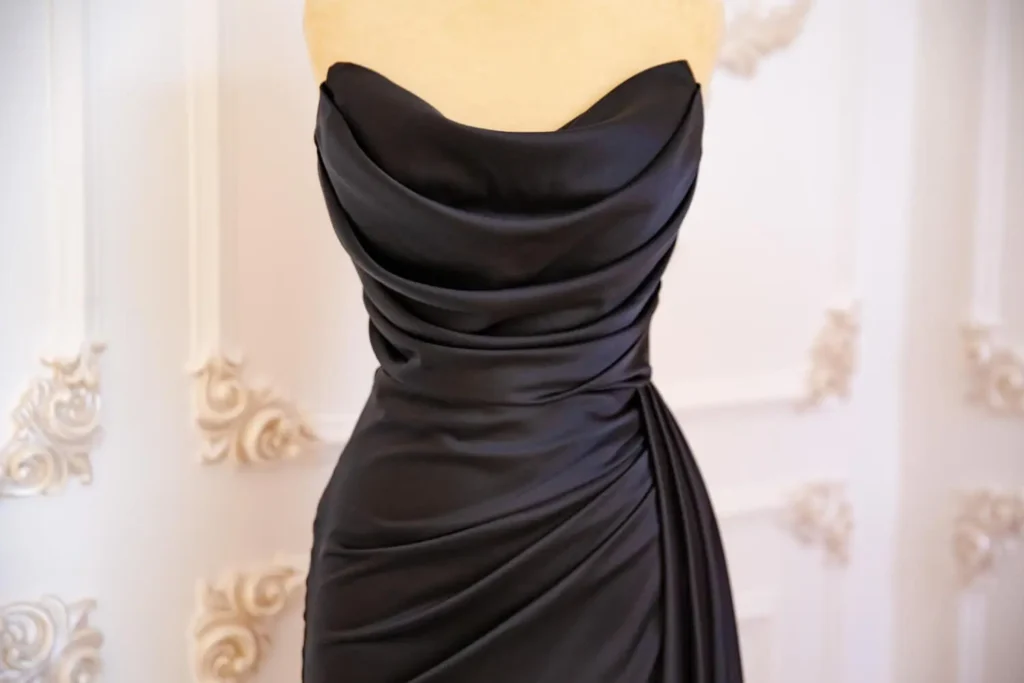
Silk is known for being lightweight, strong for its weight, and exceptionally smooth to the touch. It also stands out for its natural sheen and its ability to create elegant, fluid drape.
The fiber is absorbent and comfortable against the skin, which contributes to its use across different climates and garment categories. It also takes dye well, allowing manufacturers to achieve rich and vibrant colors.
At the same time, silk requires careful handling. Depending on the weave and construction, silk fabrics can be prone to snagging, friction damage, water marks, and creasing.
For this reason, the right tools and techniques are important during cutting and sewing. Care instructions should also be considered from the development stage to help preserve the garment’s appearance and performance.
Silk is only one of the many materials you can explore when developing a collection. Discover more textile options in our exclusive e-book!
What is the difference between silk and satin?
The main difference is simple: silk is a fiber, while satin is a weave structure.
Satin can be made from different fibers, including silk, polyester, acetate, or even cotton. Its characteristic smooth, glossy surface comes from the way the yarns are woven rather than from one specific raw material.
This means you can have silk satin, polyester satin, or other satin fabrics with very different performance, comfort, price, and care characteristics.
Natural silk generally offers different moisture-management and breathability properties from many synthetic satin alternatives. Understanding fiber content as well as fabric construction is therefore essential when selecting materials and communicating specifications to suppliers.
Read more: Learn all about satin fabric and how it can elevate your fashion production
Most common types of silk used in fashion
The textile industry works with several types of silk fabric, each with distinct characteristics. Understanding these differences helps designers select the right material according to the garment, desired structure, drape, and final appearance.
Silk satin
Silk satin combines natural silk fibers with a satin weave, creating a smooth, lustrous surface and a fluid drape.
It is frequently used for evening dresses, blouses, skirts, bridalwear, lingerie, and accessories, especially when the design calls for a polished finish and soft movement.
Silk shantung
Silk shantung is recognized by its slightly irregular surface, created by subtle slubs in the yarn. This texture gives the fabric character while maintaining a refined appearance.
Its crisper structure makes it suitable for occasion dresses, jackets, skirts, and other designs that require more shape than fluid silk fabrics.
Depending on the supplier, you may find it listed as either silk shantung or shantung silk.
Silk crepe
Silk crepe has a lightly textured or pebbled surface and a naturally fluid drape. Its understated finish makes it versatile for garments that need movement without an overly glossy appearance.
It is commonly used for dresses, blouses, skirts, trousers, and other pieces where comfort and elegance need to work together.
Read more: Discover fabrics with the perfect fit for your fashion collection
Silk chiffon
Silk chiffon is extremely lightweight, sheer, and fluid. Its delicate movement makes it particularly suitable for layering and designs that require softness without visual weight.
It is widely used in eveningwear, dresses, flowing sleeves, overlays, scarves, and other details designed to create movement and transparency.
Silk organza
Silk organza is lightweight and sheer but holds its shape more effectively than chiffon and many other silk fabrics.
This combination of transparency and structure makes it ideal for voluminous sleeves, collars, skirts, overlays, bows, and decorative elements that need definition.
Pure silk
Pure silk fabrics are made entirely from natural silk fibers rather than blended with other fibers.
Depending on the weave, they can offer anything from a subtle sheen and fluid drape to a crisp, structured finish. Because of the fiber’s characteristics and production process, pure silk is commonly positioned in premium and luxury products.
It also requires careful handling throughout cutting, sewing, finishing, and garment care.
Read more: Learn all about textile fibers in our comprehensive guide
What fabric is made from pure silk?
A pure silk fabric is made with 100% natural silk fiber rather than a blend of silk and another material.
However, “silk” does not describe just one fabric construction. Satin, chiffon, crepe, organza, charmeuse, georgette, and shantung, for example, can all be produced from silk.
To confirm the composition, check the supplier specifications, fabric label, or tech pack information. A pure silk textile should be identified as 100% silk.
There are also many fabrics designed to reproduce silk’s appearance or hand feel using materials such as viscose/rayon, acetate, and polyester. They can be useful alternatives, but their drape, breathability, durability, care requirements, and cost may differ significantly.
Read more: Everything you need to know about viscose fabric
Is silk expensive?
Silk is generally more expensive than many commonly used natural and synthetic fibers.
Its price reflects several factors, including the sericulture process, fiber quality, textile construction, finishing, origin, supply chain, and the careful handling required throughout production.
For collections with different cost targets, silk blends and silk-look fabrics can provide alternative options. Polyester, viscose, and acetate fabrics, for example, can reproduce certain visual or tactile characteristics at different price points.
The right choice should always be aligned with the brand’s positioning, target customer, expected garment performance, and product margin.
How much does silk fabric cost per meter?
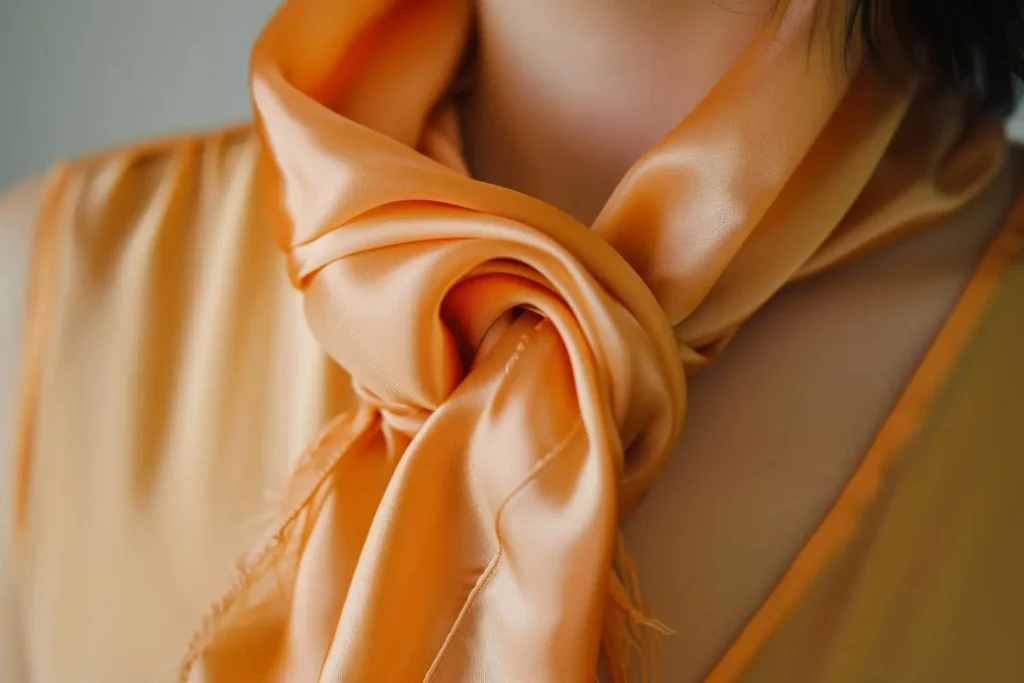
There is no single global price for silk fabric.
Prices can vary significantly according to fiber quality, silk grade, fabric construction, weight, width, finishing, certification, country of origin, order volume, and supplier.
Pure silk will generally cost more than synthetic silk-look alternatives or fabrics containing only a percentage of silk.
When sourcing material for a collection, compare suppliers and request samples before committing to larger quantities. A sample makes it easier to evaluate color, hand feel, opacity, structure, drape, and sewing performance.
Remember that the price per meter is only part of the calculation. Fabric utilization, marker efficiency, defects, shrinkage, and the perceived value of the finished garment can all affect the real material cost of a product.
Where can you buy silk fabric?
Silk fabric is available through specialized textile distributors, mills, fabric agents, wholesalers, sourcing platforms, and suppliers that work with natural or premium fibers.
Before choosing a supplier, compare fiber composition, fabric width, weight, minimum order quantities, available colors, lead times, certifications, and commercial conditions.
Whenever possible, request samples or swatches before ordering production quantities. This allows your development team to confirm that the material delivers the appearance and performance required by the collection.
How can you use silk in a fashion collection?
Silk works particularly well in designs where movement, softness, comfort, and a refined finish are important.
Dresses, blouses, shirts, skirts, scarves, lingerie, and occasionwear are some of its most common applications. Different silk constructions can also support very different creative directions, from the fluid movement of chiffon and crepe to the more sculptural structure of organza and shantung.
Before selecting the material, consider the type of silk, desired drape, product positioning, budget, garment construction, and production processes involved.
Digital simulation can also help teams evaluate how different materials interact with a design before moving into physical sampling.
How do you cut silk fabric?
Cutting silk requires precision because lightweight and smooth fabrics can shift easily while pattern pieces are being positioned and cut.
Start with a clean, stable, flat cutting surface and make sure the fabric is properly aligned. Sharp cutting tools are essential for creating clean edges without pulling or distorting the material.
Handle the fabric carefully when securing pattern pieces, particularly when working with delicate silk constructions that can be marked by unsuitable pins or excessive pressure.
For production involving multiple sizes or styles, accurate marker planning is also important. Optimizing pattern placement can improve fabric utilization and reduce unnecessary material waste, which becomes especially valuable when working with premium fabrics.
Read more: 7 pro tips on how to cut fabric for garment manufacturing
How do you sew silk fabric?
When sewing silk, use a fine needle and thread suited to the fabric’s weight and construction. This helps reduce visible marks, puckering, and damage to delicate fibers.
Machine tension should also be tested before sewing the final garment. Use a fabric offcut to confirm stitch length, tension, thread, and pressing temperature.
Pressing seams carefully throughout construction can help achieve a cleaner, more professional finish. Always consider the specific type of silk, as chiffon, satin, organza, and shantung can require very different handling techniques.
Read more: Top 8 types of sewing every pattern maker should know
How do you make flowers from silk fabric?
Fabric flowers made from silk can be used to add dimensional details to garments, accessories, bridalwear, and occasionwear.
The process usually begins by cutting petals in different sizes. These pieces can then be carefully shaped using controlled heat or specialized flower-making tools before being assembled into the final design.
The lightweight nature of many silk fabrics makes it possible to create petals with soft volume and natural movement, turning a relatively small detail into a distinctive design element.
Turn fabric references into fashion products with LooksMaker
Choosing the right fabric is only the beginning. With LooksMaker, you can use visual references of fabrics, colors, prints, silhouettes, and other design elements to generate realistic garment concepts with AI.
Explore different creative directions, refine details without starting over, and visualize your designs through virtual try-on before moving on to physical sampling. LooksMaker can also automatically generate flat sketches and preliminary technical information to help connect the creative process with product development.
And with integration with Audaces Isa, your team can keep design and development connected in a more streamlined workflow.
Discover LooksMaker and transform your creative process!
FAQ
Silk fabric is a textile made from natural silk fibers, known for its softness, lightweight feel, natural sheen, and fluid drape.
Silk fabric is commonly used for dresses, blouses, shirts, scarves, lingerie, occasionwear, linings, and other garments that require softness and elegant movement.
Silk is a natural fiber, while satin is a type of weave. Satin can be made from silk, polyester, acetate, cotton, or other fibers.