


Summary
- Outsourcing clothing production is a common practice among fashion brands worldwide.
- It helps companies scale production without overloading their core operations.
- Take control of every stage of the production process with Audaces solutions!
A missed sale because production ran late is a frustrating, familiar story. It happens more often than most manufacturers expect, especially when a small team tries to handle every stage of the process alone.
Hiring more staff, buying new equipment, and expanding a facility all require serious capital. Many fashion companies find themselves caught between the need to grow and the funds to make that growth possible.
Fortunately, there’s a way to produce more without stretching a company’s structure too thin: garment manufacturing outsourcing.
This guide walks through how it works, who it fits, and what to weigh before signing a contract. Happy reading!
Sumário
What is garment manufacturing outsourcing?
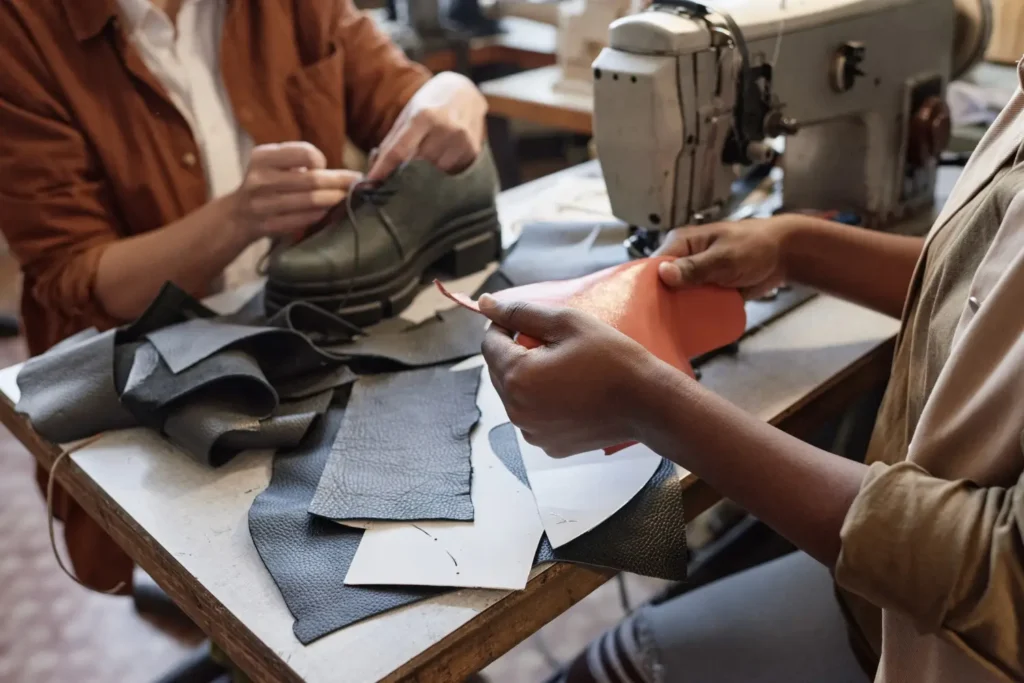
Garment manufacturing outsourcing means hiring a partner company to handle part or all of a brand’s production.
In this model, manufacturing moves outside the internal structure and into the hands of a specialized supplier that manages steps like cutting, sewing, and finishing.
This approach lets fashion brands focus on design, branding, and sales while production stays with a partner who already has industrial experience. It’s a common choice for growing brands that need to increase output without immediately investing in machines, space, and an in-house workforce.



What is the difference between private label, manufacturing and subcontracting?
These three terms often cause confusion, but they represent distinct roles in the fashion supply chain. Knowing the difference helps a brand owner select the right partner for each stage of the business.
Private label describes a business model where a company builds its own brand but outsources all manufacturing to a third-party supplier.
A manufacturer, by contrast, handles the entire production process, from raw materials to finished garment. It can produce for its own brands as well as for outside clients.
Subcontracting covers just one part of production, such as sewing, without any involvement in design or product development.
Understanding these differences prevents poorly defined contracts and expectations that don’t match reality.
Read more: What is a private label? Everything you need to know
What does an outsourced garment manufacturer do?
An outsourced manufacturer takes on production stages that would otherwise require in-house infrastructure. It typically includes fabric cutting, sewing, finishing, and, in many cases, quality control before shipment.
Depending on the contract, the partner may also handle pattern making, size grading, and marker layout.
Some outsourced manufacturers go further, managing logistics and shipping finished garments directly to the client.
This support frees the brand to focus on strategic areas such as design, marketing, and customer relationships, without sacrificing production quality.
How does the outsourcing process work in the textile industry?
The process follows a defined sequence of steps that begins well before the first garment is produced and continues through final delivery.
Task distribution
The brand and its outsourced partner split production between them.
The brand typically supplies patterns, fabric, or technical specifications, while the manufacturer handles cutting, sewing, and finishing as agreed.
Partnership models
Partnerships take different shapes. Some suppliers provide labor only, while others offer a full package that includes product development.
The right choice depends on a company’s structure and specific needs.
Quality control and management
Before shipment, garments go through inspection to catch sewing, cutting, or finishing defects.
Strong management of this stage prevents rework and protects the consistency a brand’s customers expect.
Some manufacturers build quality checkpoints into every production stage rather than waiting until the end. This layered approach catches problems earlier, when they’re cheaper and faster to fix.
Read more: 5 steps to optimize your process of textile production
Legal considerations
Formalizing the partnership with a contract is essential, covering deadlines, pricing, responsibilities, and penalties for noncompliance.
This protects both parties throughout the relationship and gives each side a clear reference point if disputes come up later.
Access the free guide to scale textile production to a world-class level! It covers benchmarking, cost cuts and real case studies.
Key impacts of outsourcing on the fashion industry
Outsourcing has changed how fashion companies operate worldwide. It allowed small and mid-size businesses to compete with larger players, since it reduces the need for heavy upfront investment in manufacturing infrastructure.
This model also pushed specialization forward. Outsourced manufacturers have become increasingly technical, investing in technology and refined processes to serve multiple brands with quality and speed.
At the same time, outsourcing demands extra attention to the supplier chain, since a brand’s reputation depends directly on the work of outside partners. This reality reinforces the importance of choosing reliable partners and staying close to every stage of production.
In-house production or outsourcing: Which fits a brand best?
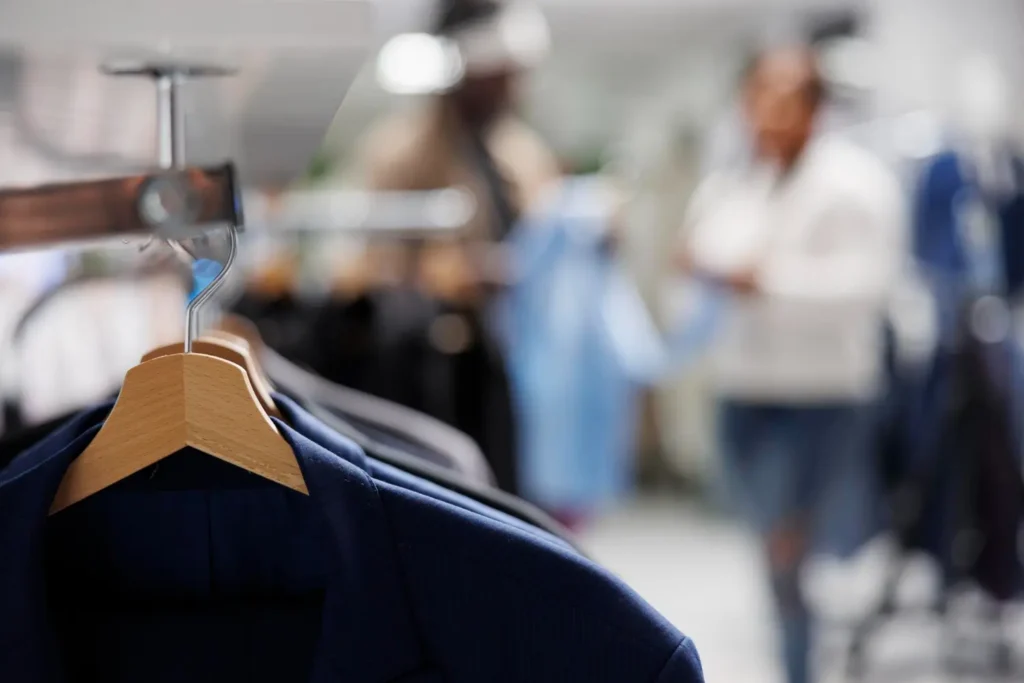
There’s no single right answer, since the choice depends on a brand’s stage and goals.
Producing in-house offers more control over timelines, quality, and processes, but it requires heavy investment in machines, space, and skilled staff.
Outsourcing, on the other hand, lowers fixed costs and allows a company to scale production quickly, making it a strong fit for growing brands or those facing high seasonality. Many companies land on a hybrid model, keeping part of production in-house and outsourcing the overflow during peak demand.
Evaluating sales volume, available capital, and current infrastructure helps determine which path makes the most sense.
What are the minimum order quantities for outsourced garment production?
Minimum order quantities vary widely among outsourced manufacturers, since each supplier sets its own criteria based on structure and product type.
Some accept orders starting at 50 units per style, while others require much larger volumes to make production worthwhile.
Suppliers that work with large brands tend to operate with batches starting in the hundreds, prioritizing scale. Smaller or more flexible manufacturers can accommodate custom orders in lower quantities, which works well for emerging brands.
Confirming this number directly with a supplier before signing a contract is essential.
How much does outsourced manufacturing cost?
Calculating the true cost of outsourcing means looking past the per-unit price.
Costs to factor in include raw materials, when the brand supplies them, shipping to and from the manufacturer, development fees, and possible sample adjustments.
It’s also worth weighing the opportunity cost: how much time and money in-house production would consume by comparison.
Comparing quotes from different suppliers helps establish a market average and supports stronger negotiation. Keeping these numbers organized avoids surprises in cash flow and keeps the final garment price competitive without eating into profit margin.
What are the pros and cons of outsourcing garment manufacturing?
Like any strategic decision, outsourcing production brings real benefits alongside points that deserve careful evaluation before signing a contract.
Production costs and risks
Outsourcing lowers investment in machines and infrastructure, but it also transfers part of the control over the production process. That shift can create risk if the supplier isn’t reliable.
Workforce availability
A brand gains access to already-trained teams, without the need to hire and train sewers, cutters, and other specialists in-house.
Quality and process standardization
Not every supplier follows the same quality standards. Testing samples before committing to larger contracts is a smart safeguard.
Meeting deadlines
Overbooked suppliers can delay deliveries, directly affecting collection launches and the relationship with the end customer. Building in buffer time for critical launches helps absorb these delays without disrupting the retail calendar.
Team communication
Physical distance between a brand and its manufacturer calls for clear communication processes to avoid misinterpreting technical specifications. Regular check-ins, shared tech packs, and a single point of contact on each side go a long way toward preventing costly mistakes.
How can I start a clothing brand using outsourced manufacturing?
Starting a clothing brand through outsourced manufacturing is an accessible way to enter the fashion market without major investment in machinery.
The first step is defining brand positioning, target audience, and the visual identity that will guide future collections. From there, it’s time to develop the garments, whether through original patterns or with technical support from the chosen supplier.
Researching and testing different manufacturers before committing to a partnership helps ensure quality and alignment with the brand’s vision.
Once a supplier is in place, the brand can focus its energy on sales, marketing, and customer relationships, while production stays with the outsourced partner.
Read more: A full guide on how to create a clothing brand from scratch
How can I outsource my clothing production?
Putting outsourcing into practice takes planning. Here’s a simple path to get started with confidence.
1) Assessing internal capabilities and needs
Identify which production stages make sense to keep in-house and which ones can move to an external partner.
2) Researching and selecting suppliers
Look for manufacturers with strong references, visit facilities when possible, and request samples before making a decision.
3) Drafting detailed contracts
Formalize deadlines, pricing, responsibilities, and penalties for noncompliance to protect the brand legally.
4) Maintaining efficient communication
Set up clear, frequent channels with the supplier to keep expectations aligned throughout production.
5) Aligning quality and design expectations
Share detailed tech packs and visual references to make sure the final result matches the brand’s standard.
6) Monitoring performance regularly
Track indicators like delivery time and rework rate to evaluate the partnership on an ongoing basis.
7) Ensuring excellence at every stage
Run periodic quality inspections even after the partnership is well underway, to keep garments consistent.
8) Staying open to production adjustments
Build in the flexibility to revise processes and, if needed, look for new suppliers when a partnership stops meeting expectations.
Read more: 5 steps to find the top clothing suppliers for your business
How can I manage outsourced clothing production?
Controlling outsourced production takes consistent follow-through, even from a distance.
Setting clear indicators, such as average delivery time, defect rate, and adherence to technical specifications, helps measure supplier performance over time. Periodic facility visits, when possible, and detailed tech packs reduce misinterpretation and keep the final product aligned with brand standards.
Production management software also supports this process, centralizing information about orders, deadlines, and quality in one place.
This kind of consistent oversight strengthens the partnership and prevents surprises that could damage a brand’s market reputation.
Read more: 5 strategies for production planning in the fashion industry
Track outsourced garment production with Audaces solutions
Managing outsourced suppliers becomes far more straightforward with the right technology behind it.
Audaces360 brings pattern making, marker layout, and production management tools together in a single platform, helping a brand keep control over every stage even when manufacturing sits with an outside partner.
Centralized data and standardized processes make it easier to share accurate tech packs with suppliers, track deadlines, and confirm quality before final delivery.
With Audaces Isa Fashion PLM, brands can also manage projects and collections across multiple clients. The result is a faster, more agile operation without compromising the standard that builds a brand’s reputation.
Discover Audaces360 solutions and unlock a world of possibilities for fashion design and production. Explore our comprehensive suite of solutions today.
FAQ
Garment manufacturing outsourcing is the practice of hiring a partner company to handle part or all of a brand’s clothing production.
The cost of outsourced garment manufacturing depends on order volume, product complexity, and the services included, such as development work and shipping.
The main advantage of outsourcing garment manufacturing is lower investment in in-house infrastructure, which gives a brand more agility to scale production.