
Saltar para o conteúdo
  • Discover 3 expert tips for composing a fashion product mix

    Discover 3 expert tips for composing a fashion product mix

    Summary

    • A fashion product mix involves strategically planning the diverse pieces that will comprise your collection.
    • To enhance the creative process, categorize your products into three groups: basics, trends, and concepts.
    • Audaces Fashion Studio offers a streamlined solution for digitally creating and launching fashion collections. Try the Audaces360 multi-solution for free today!

    In the realm of fashion, every step in creating a collection should harmonize seamlessly. From selecting a theme to crafting the individual pieces, each phase should reflect your brand’s values and meet your customers’ expectations.

    To ensure the success of your collection launch, you must consider various factors, including the fashion product mix.

    Continue reading to delve deeper into this topic!

    What is a fashion product mix?
    What is a fashion product mix?

    The fashion product mix is a well-balanced blend of garments, styles, and prints. While it may consist of numerous elements, careful planning is essential to ensure that the collection’s various pieces harmonize with one another.

    This mix serves as a reflection of the assortment of products within a collection, catering to the diverse requirements of the target audience. Its purpose is to group and categorize the attire based on their design and intended usage.

    Learn more: 4 top tips for a successful fashion collection launch

    Why creating a fashion product mix benefits your brand?

    Having a well-thought-out fashion product mix is highly advantageous for your brand. Products with conflicting purposes can complicate the customer’s buying decision, resulting in issues like excessive inventory buildup.

    That’s why the fashion product mix plays a pivotal role for anyone launching a collection. It empowers customers to make choices that complement their outfits, promoting the purchase of coordinated pieces.

    When curating your collection, prioritize pieces that naturally go together, enhancing the appeal for your audience.

    Additionally, achieving the right balance and variety within your product mix is essential. Ensure that each type of piece is proportionate in quantity, and include styles that have a strong appeal and can practically sell themselves.

    Learn more: How to choose the best clothing collection names

    How to organize a fashion product mix?

    Questions like “How many pieces should I produce?” and “What’s the right mix of prints, styles, and sizes?” are common concerns.

    To address these and other queries effectively, your first step should be gaining a deep understanding of your audience’s behavior and consumption patterns.

    It’s important to note that an excessively diversified collection doesn’t guarantee record-breaking sales. To excel in this endeavor, you must focus on and consider several key aspects, including:

    Width

    Width pertains to the variety of product lines your brand intends to introduce and cover. To ensure the cohesiveness of your fashion collection, it’s advisable to have between 5 and 10 categories.

    The fundamental concept behind the fashion product mix is to ensure that your collection effectively resonates with your target audience, piquing their interest.

    Consistency

    It’s imperative that everything you offer to your customers reflects your brand identity. Consistency, in this context, refers to how product lines interrelate in terms of usage, production, and distribution.

    Don’t forget: this principle applies not only to your collection but also to the development of your brand as a whole.

    Quantity

    You may be pondering, “How many pieces should I include in my collection?” Generally, a collection of 12 pieces is a sound approach. However, there are smaller alternatives, such as capsule collections, which typically comprise 8 pieces.

    When planning this aspect, consider distributing the pieces proportionally according to their type. In a 12-piece collection, you might offer, for instance, 4 different blouse styles, 3 pants, 2 shorts, 2 skirts, and 1 jacket.

    Alternatively, in the context of capsule collections, you can categorize the pieces as follows: 4 basic styles, 3 trendy ones, and 1 “concept”. Explore further details about this categorization below!

    Meet the ‘pyramid’ method for composing a superb fashion product mix
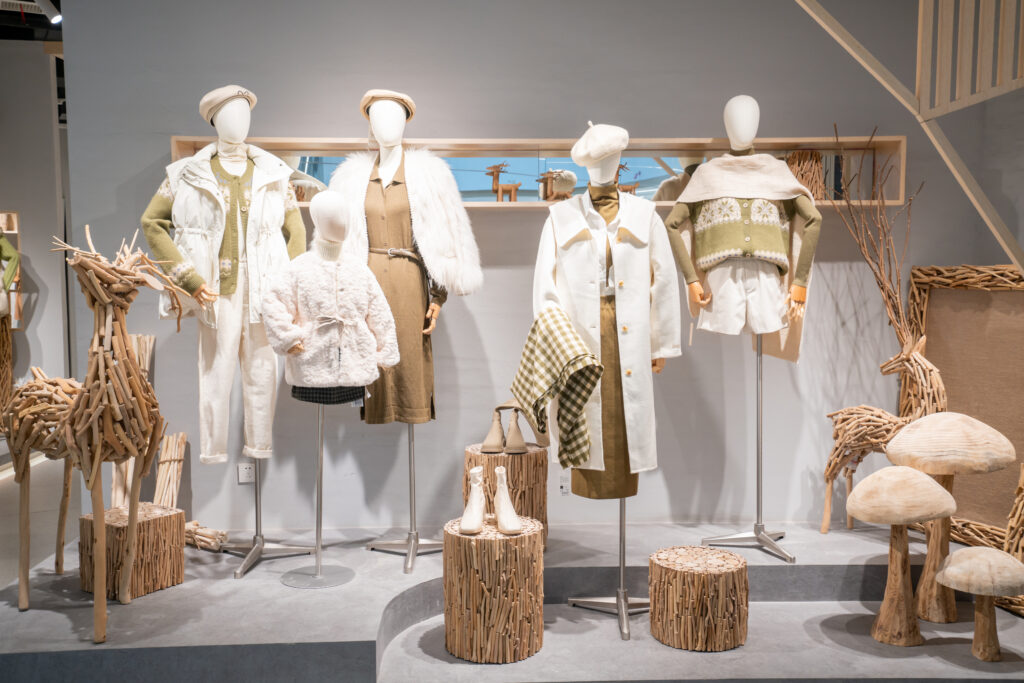
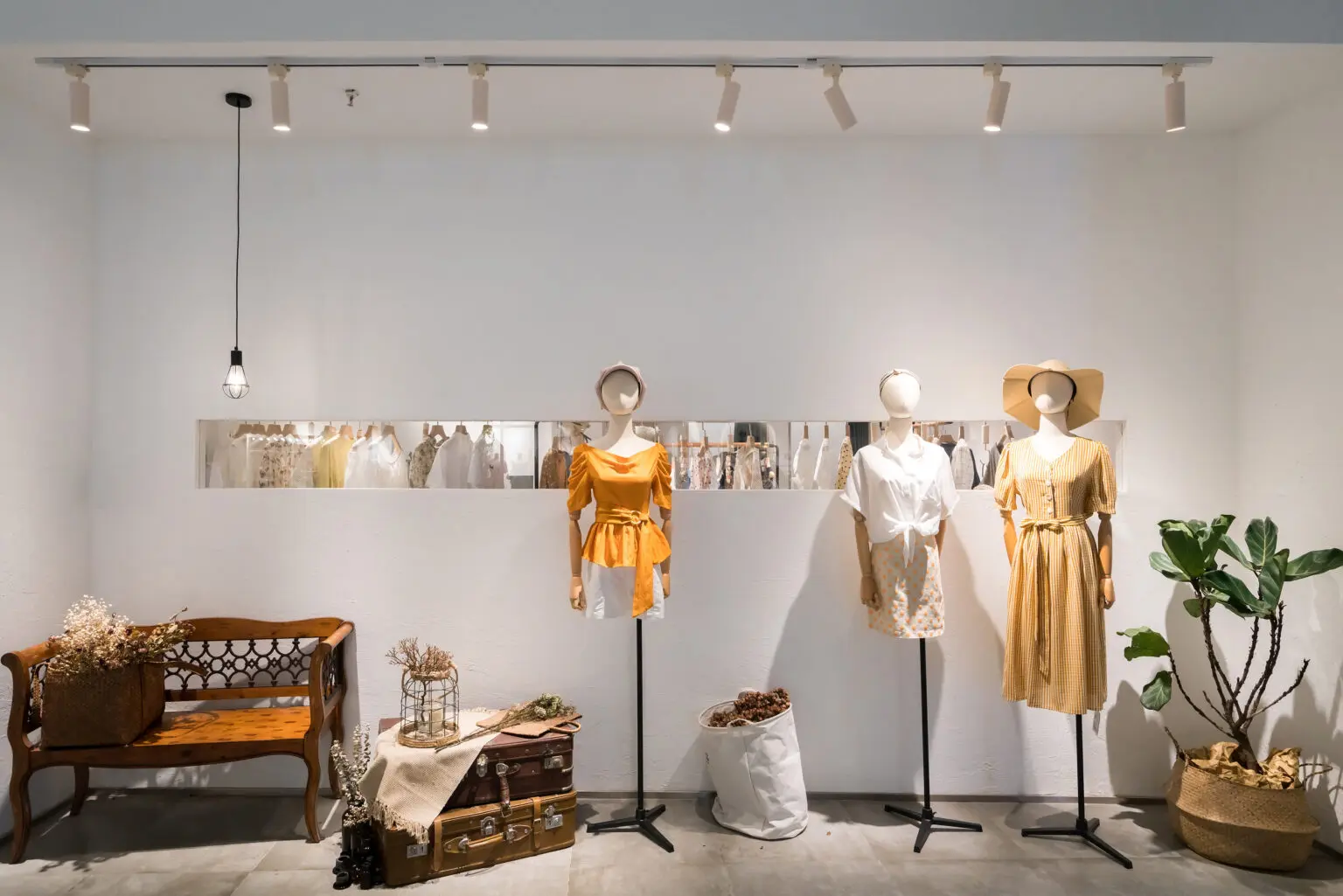
    Fashion product mix: mannequins in a store window.
    Women’s fashion store in the shopping center

    When planning a fashion collection, it’s crucial to consider not only your brand identity but also the consumption preferences of your target audience.

    For instance, do your potential customers prefer trendy pieces endorsed by fashion influencers, or do they opt for timeless, basic, yet elegant items? To streamline the creative process, you must categorize your products into three distinct groups.

    The selection of segments within these groups should be intricately tied to your brand’s positioning. You can organize it into these major categories

    Basics

    Basic pieces are a constant presence in every collection, undergoing subtle updates as trends evolve. They form an integral part of people’s everyday wardrobes and, owing to their combination of affordability and timeless design, require fewer sales efforts than other collection components.

    In the wake of the pandemic, there has been a noticeable shift in consumer preferences toward greater comfort in clothing. As a result, the proportion of basic pieces in collections has increased from its former 25% to a substantial 50%, underscoring the evolving habits of customers.

    Trendy pieces are the direct response to runway shows, fashion websites, and the social media profiles of fashion enthusiasts. They often feature distinct colors, prints, and cuts with each new season.

    The lifecycle of trendy pieces typically spans just one to two collections. Once new trends emerge, they become saturated and lose their appeal to customers.

    Within your collection, you can allocate anywhere from 45% to 65% of the pieces to this segment, capitalizing on the surge in trends. By the way, this segment allows for the highest percentage of markup on the pieces!

    Learn more: Decode dressing trends and how to apply them to your designs

    Statement pieces

    Concept pieces are the embodiment of the collection’s style and essence. These items usually showcase innovative designs crafted by stylists to captivate the audience and ignite fresh inspiration. A prominent example of a brand that skillfully employs this strategy is Balenciaga.

    These pieces take center stage in storefront displays, catalogs, and fashion shows, catching the consumer’s eye and, at times, eliciting a sense of wonder or astonishment. Typically, approximately 5% of the collection is reserved for this category.
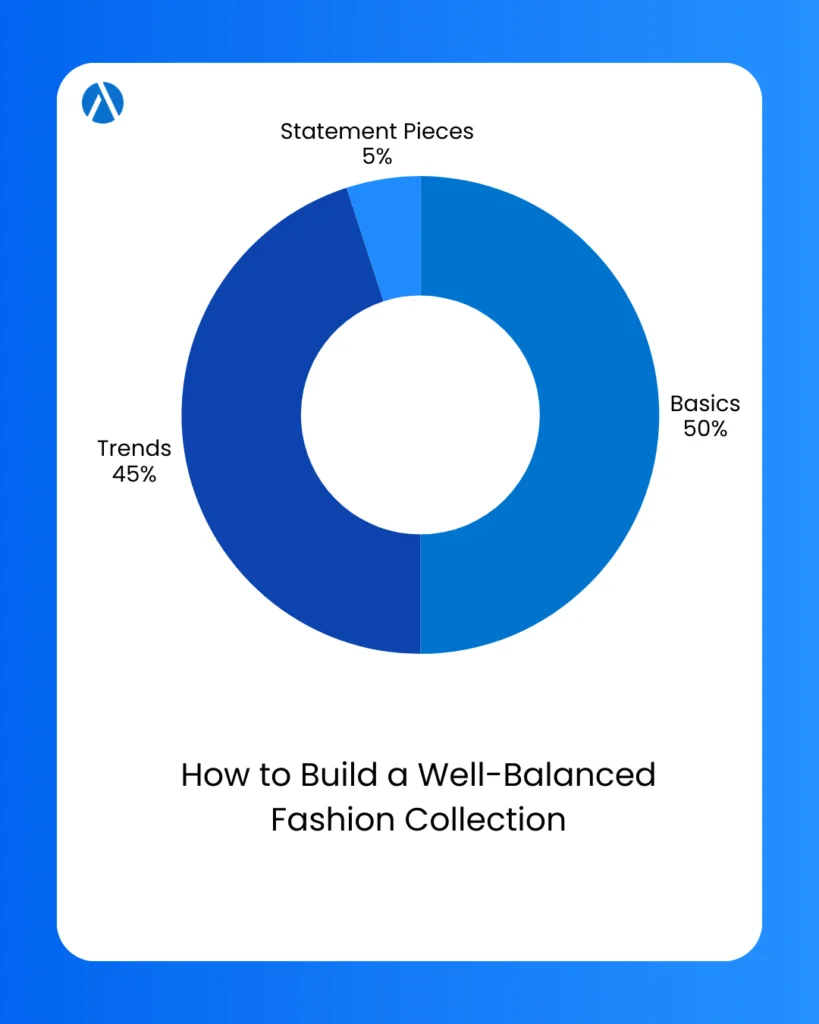
    Fashion product mix: how to build a well-balanced collection.

    3 tips for crafting an exceptional fashion product mix

    1. Track customer’s behavior

    Keeping a close watch on your audience’s consumption habits is essential for making informed decisions when it comes to your product mix.

    As you develop your pieces, it’s crucial to discern which trends resonate with your target demographic.

    Whether they favor timeless classics, basic essentials, or hyper-creative styles often seen on fashion runways, understanding their preferences is the cornerstone of a successful product mix.

    Your brand’s loyal customers can serve as an invaluable thermometer, offering insights into what is likely to work for your upcoming collection.

    2. Embrace concept pieces

    Although concept pieces represent a smaller portion of your collection, they play a strategic role in shaping a well-rounded fashion product mix.

    These items tend to be more expensive and often feature intricate details, making them exclusive and appealing to a select group of consumers.

    3. Promote it on social media

    Social media is a powerful ally for promoting your fashion collection.

    Through these platforms, you can showcase your product mix in detail and suggest various outfit combinations using creative photos and videos. Engaging with your audience on social media can boost your collection’s visibility and desirability.

    Fashion product mix examples

    Fashion product mixes can vary depending on the niche and focus of the brand. Here are some common examples of fashion product mixes:

    • Tops (blouses, shirts, and t-shirts)
    • Bottoms (skirts, shorts, and pants)
    • Single pieces (dresses, overalls, and jumpsuits)
    • Outerwear (jackets and sweaters).

    However, companies that work with beachwear may have a different mix, consisting of:

    • Bikinis, bathing suits, and swimming trunks
    • Sarongs and beach cover-ups
    • Visors, caps, and hats
    • Hairpins
    • Bags.

    Companies that operate in the footwear sector can focus on:

    • Sneakers
    • Boots
    • Flat sandals
    • Flip flops
    • Clogs
    • Socks
    • Bags
    • Accessories.

    How to plan a fashion product mix with Audaces technologies?
    How to plan a fashion product mix with Audaces technologies? 

    Audaces offers the most comprehensive technologies in the market to streamline your fashion product mix planning.

    Here’s an overview of one of our systems designed to enhance the efficiency of your business:

    Audaces Isa

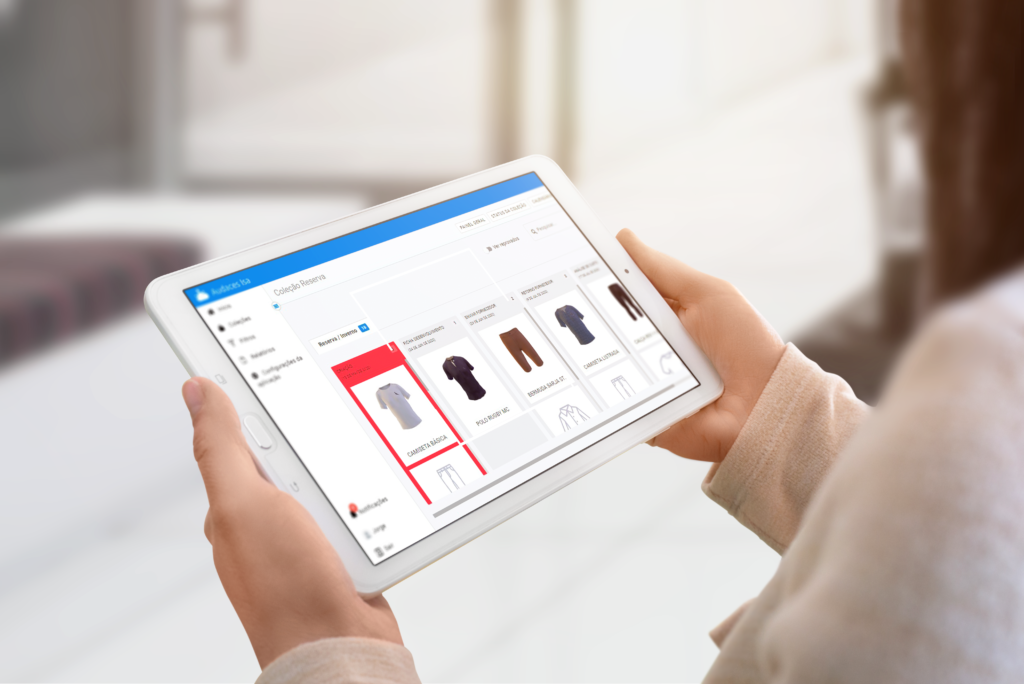
    Managing the product lifecycle is a critical aspect of launching a successful fashion collection, and Audaces Isa was designed to support individuals in this process.

    This advanced tool offers a comprehensive solution for tracking the entire lifecycle of your products, and efficiently managing the technical aspects of your collection.

    Audaces Isa also ensures that your production schedule is executed on time, enabling you and your team to make more informed decisions.

    Audaces Fashion Studio

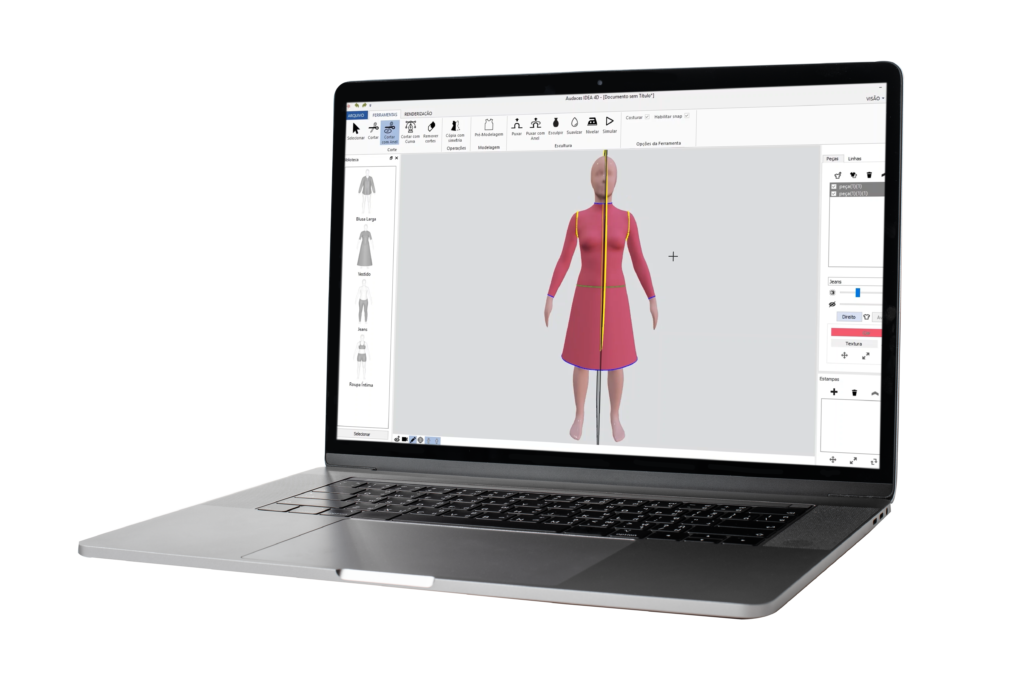
    In addition to Audaces Isa, Audaces Fashion Studio is an excellent choice for those looking to develop their fashion product mix!

    This tool enables you to create and recreate models within a three-dimensional environment, saving valuable time in the sketch development process.

    Furthermore, it offers the opportunity to integrate the creation and production stages with the cutting-edge 4.0 technology for apparel, known as the Audaces360 multi-solution.

    When you can’t really speed up, the real competitive advantage is the product. Download our e-book for free and enjoy your fashion brand while transforming quality, design and perceived value into a competitive advantage.

    FAQ

    What is a fashion product mix?

    A fashion product mix refers to the assortment of garments, styles, and designs that make up a brand’s collection.

    What are the key components of a fashion product mix?

    The key components typically include basic, trendy, and concept pieces. Basics are timeless items, trendy pieces follow current fashion trends, and concept pieces represent the brand’s essence.

    Why is a fashion product mix important for a fashion brand?

    Because it ensures that a collection resonates with the target audience, satisfies their diverse needs, and promotes a cohesive brand identity, ultimately influencing purchasing decisions.
  • Learn how to make a fashion product catalog in 4 steps

    Learn how to make a fashion product catalog in 4 steps

    Summary

    • A product catalog expresses the essence of your fashion collection and displays your creations to customers;
    • If you have doubts about making a product catalog, we have some infallible tips to help you launch your work! Keep up with us!
    • Create your next fashion collection with Audaces Fashion Studio – it’s easy, practical, and 100% digital. Get the free trial of Audaces360 multi-solution now!
    15 Day Free Trial

    Knowing how to make a fashion product catalog is essential for sparking the interest of your clothing company’s target audience. This must-have material includes information about the products you sell, such as prices, sizes, and other vital specifications, helping customers make assertive choices.

    If you want to learn how to craft a perfect product catalog, just read on! We will show you a four-step guide to help you decide which type of catalog is the right fit for your brand.

    What is a product catalog and how does it work?

    What is a product catalog work and how does it work?

    The product catalog for your fashion business is a showcase of all the products you offer, whether it is a physical or digital catalog.

    In this document, you must structure, categorize, and gather all the information about your items at once. Be sure to cause a good impression – after all, many customers will find out about your label and reach you thanks to the catalog.

    The material gives the customer autonomy to decide which pieces and outfits they will take at their own pace. So, as soon as you release your catalog, be prepared to answer questions and take the orders that will come.

    Learn more: 4 top tips for a successful fashion collection launch

    What is the difference between printed and digital catalogs?

    There are different types of product catalogs that bring diverse information, data, and objectives. In this article, we are going to focus on print and digital catalogs only, exposing the difference between them and the pros and cons of each type. Check it out below:

    Printed catalog

    The printed catalog is the one that the reseller takes to your customers in hand or sends by mail. Stores must also have some copies available, as many clients still prefer to visualize the outfits in this format rather than picking them from the racks.

    This material must include all information about the pieces, prices, references, and front and back images of the products for sale.

    A negative aspect of this catalog is the printing and/or posting costs, which make this version more expensive for companies. Besides, it’s more difficult to make changes to the document, which would imply more costs.

    Digital catalog

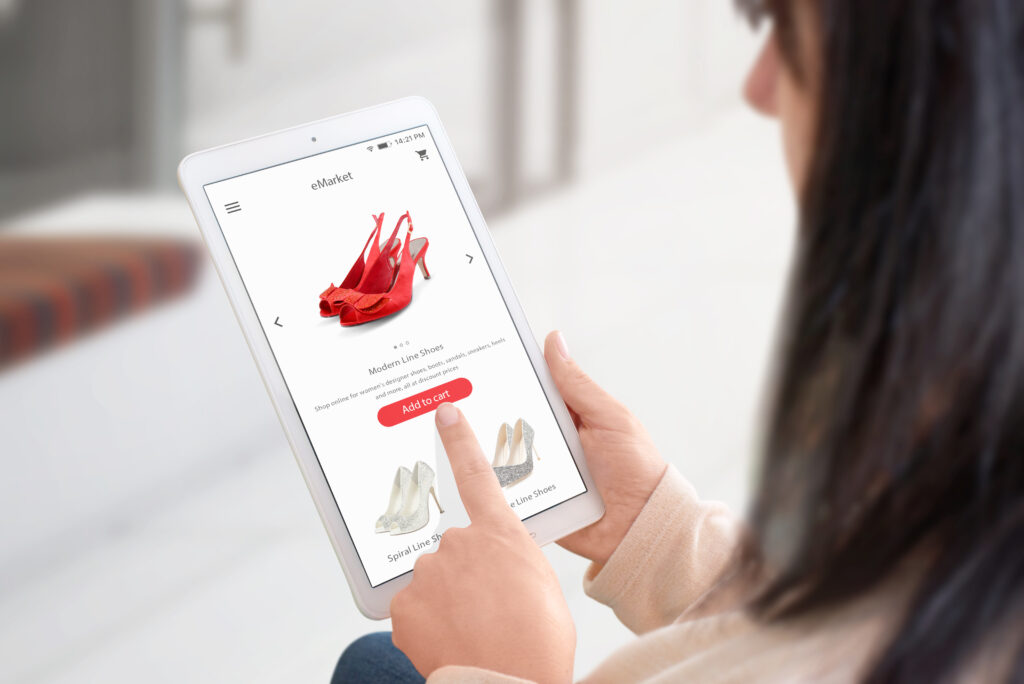
    The digital catalog can come in different formats: digital images, PDF documents, or even online stores. Computers, tablets, and smartphones are all you need to access the material.

    Companies can easily send customers the link or image of the document, allowing them to consult and choose the products of their choice. It only takes a simple click!

    The digital catalog offers several advantages, including greater accessibility and practicality, as it can be sent anywhere in the world. It is also a more sustainable option, as it reduces costs for the companies and does not use resources such as paper and printing.

    Besides, it’s easier to make instant changes to the design, details, and edited images.

    However, don’t take the printed edition for granted. Everything will depend on your budget, business goals, and target market.

    Some people are still very synesthetic and prefer to hold the catalog to make notes on paper, or for any other reason. That, of course, varies from person to person. And your customer’s needs hugely matter!

    What does it take to create a product catalog?

    You already know that having a product catalog is essential for your business, but what does it take to create one?

    First, it must be well structured and clearly show what your business sells.

    The creation process can be a little time-consuming, for there are several steps. You will need images, descriptions, a size chart, and the price of the pieces, for example.

    You should start your catalog by deciding which products will be part of it. Remember: they must be the ones with a good volume of stock for sale.

    There are still other activities when assembling a product catalog. Among them, we can mention the following:

    1. Good quality photos and descriptions

    Having good photos and assertive descriptions will make all the difference when the public analyzes the pieces displayed in your catalog.

    Because of this material, many people decide to purchase the products, so all elements must be harmonic.

    The photos and texts must draw attention and encourage the consumer to buy what you’re launching. It’s the moment to impress the customer, so invest in high-quality content for your catalog and go for it!

    2. Prices and payment terms

    Payment conditions and prices must be explicit in the file.

    Does each piece have a different payment term? Inform them! Everything must be well explained to avoid misunderstandings when finishing a purchase.

    If you have products with lower costs, on sale, or special wholesale prices, don’t forget to highlight this information.

    3. Graphic design

    In addition to having good photos and writing, invest in good graphic design, as it can improve the customer experience while viewing the catalog.

    Your catalog layout must be in line with your company’s visual identity, but also with the fashion collection currently for sale. Everything should match, from the images to the colors and fonts used.

    4. Catalog printing

    If your catalog is printed, get familiar with the print sheets in advance and choose the products that best fit the material you are offering.

    It’s crucial to pay attention to the quality of all elements for the catalog to perform at its best.

    Tips for assembling a good product catalog

    Tips for assembling a good product catalog

    1. Divide products by category

    Each product style must be separated by category, which makes the search for a specific type of piece more pleasant for the customer.

    Products must appear in a logical sequence. An example is to put tops first, then t-shirts, shorts third, and so on.

    2. Invest in professional imagery

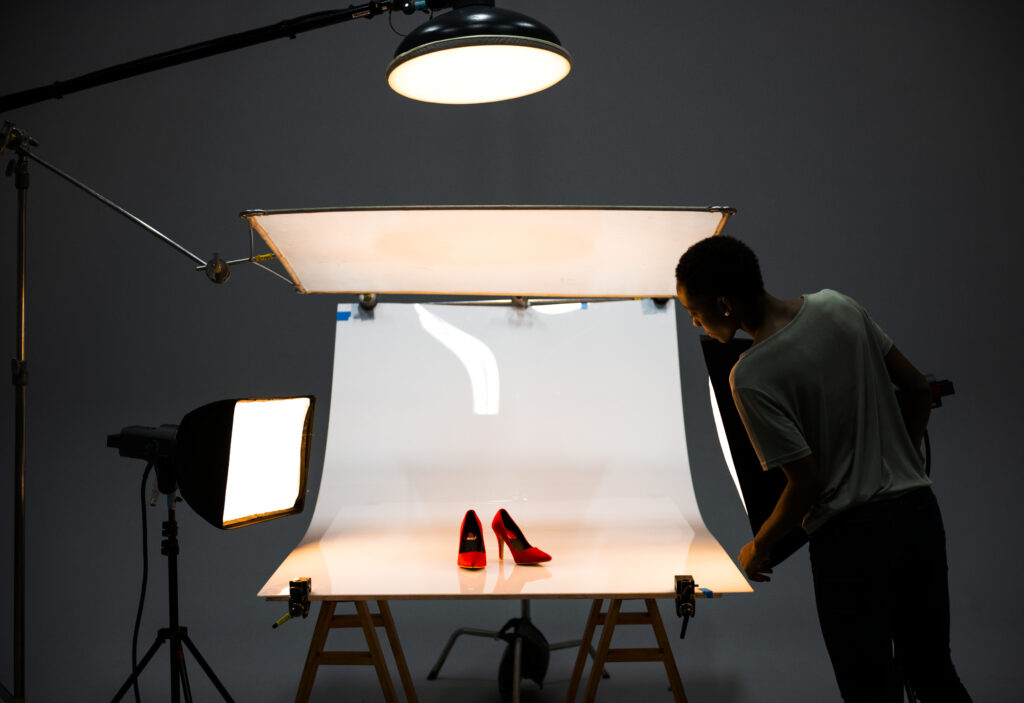
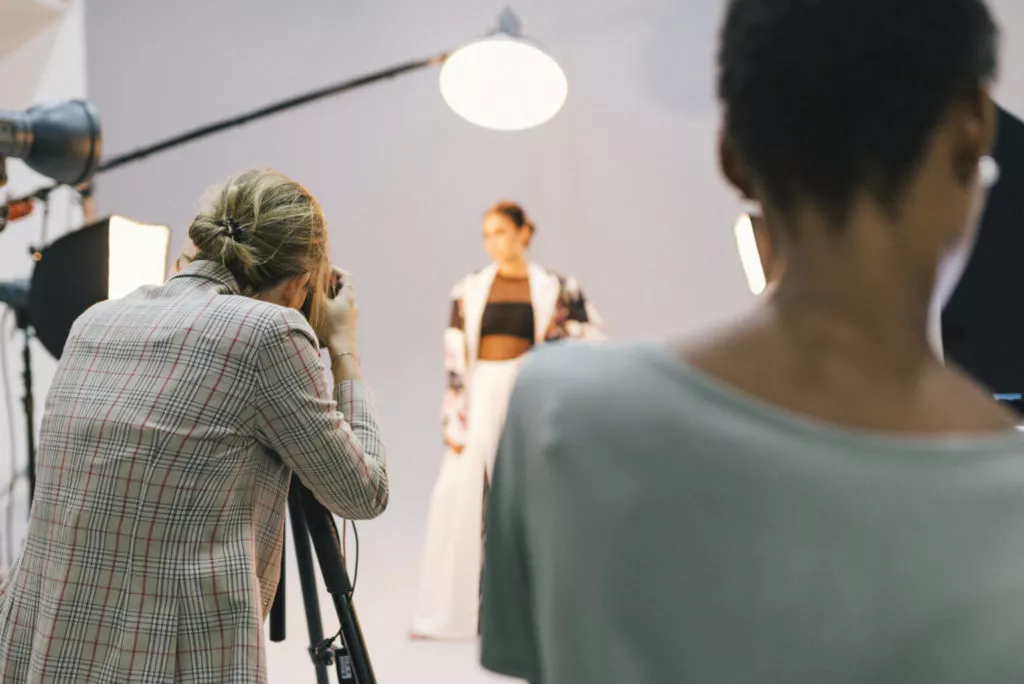
    Your catalog must be creative and catch the public’s eye. Invest in professional photos that deliver a better result – great photographers, art directors, and designers can be decisive for the success of the product catalog (and for the sales!).

    Printed or digital, the catalog will be the consumer’s first contact with the items. For this reason, the better the image, the more faithfully it will show the pieces. So, it’s easier to ensure that the chosen product is what the customer wants.

    3. Create the product descriptions carefully

    The description of the pieces helps the customers decide if the product is the right for them. That is, it can guarantee a great conversion rate for your product.

    It must be brief. However, choose descriptions that highlight the strengths and singularities of your products. Use these few writing lines in favor of what your company is offering! And you know it’s unique.

    Make clear the technical characteristics and materials, but also take the opportunity to show people how they can use your pieces in everyday life. That generates identification between the consumer and the product.

    4. Organize the distribution strategy

    If a fashion collection launch has its own strategies, you must have one for your product catalog distribution too.

    Will it be printed or digital? Once you choose the format, define the next steps.

    If it’s a printed catalog, will you send it along with any products or gifts to the shopkeeper? If it’s digital, will you send it via PDF or message apps, such as WhatsApp Business? We will go in-depth on this later.

    Everything must be planned, so that the customer gets interested in the catalog and, consequently, the products. Also, because, just like you, many other brands send this type of material every day.

    The more creative the product catalog is, the more attention the public will pay to your label and your launch!

    Learn more: How to choose the best clothing collection names

    Where to assemble a product catalog?

    Some tools can help you create your catalog. See the main ones:

    • Canva;
    • Adobe PDF;
    • Adobe Photoshop;
    • WhatsApp Business.

    After developing the material, you must define which format you will save it in if you submit it online.

    PDF catalog

    You can create a PDF catalog with one of the image editing tools mentioned above.

    By saving the catalog in PDF format, it’s possible to protect your material against external editions after sharing. Anyway, with the original file saved on your computer, you can edit and re-edit whenever you want.

    Catalog via WhatsApp Business app

    If you don’t want to create a PDF or print your catalog, you can use another good resource: the WhatsApp Business catalog function.

    This tool allows you to add products (and their prices) to your profile, facilitating consultation and ordering for your customer.

    WhatsApp Business supports the registration of up to 500 items.

    How does Audaces Isa help create a fashion product catalog?

    Adaces Isa is a fashion collection manager tool developed based on the Creation and Product Development teams.

    With this system, it is possible to manage, control, and organize the entire technical features of the collection, and guarantee the execution of the schedule with decision-making in real-time.

    We’ve prepared an e-book for you to learn more about how Audaces can bring more assertiveness to your fashion business! Download it for free:

    FAQ

    What is a product catalog and how does it work?

    The product catalog for your fashion business is a showcase of all the products you offer, whether it is a physical or digital catalog.

    What is the difference between printed and digital catalogs?

    The printed catalog is the one that the reseller takes to your customers in hand or sends by mail. The digital catalog can come in different formats: digital images, PDF documents, or even online stores.

    What does it take to create a product catalog?

    Good quality photos and descriptions, prices and payment terms, graphic design, and catalog printing.

  • Learn how to choose the best clothing collection names

    Learn how to choose the best clothing collection names

    Summary

    • The clothing collection names express a concept and brings essence and singularity to the outfits;
    • If you lack the creativity to come up with a trendy name for your collection, we have some tips for you! Follow the guidelines in this blog post, and let your imagination run wild.
    • Create your clothing collection with Audaces Fashion Studio 100% digitally and straightforwardly. Get the free trial of Audaces360 multi-solution now!

    Creating a fashion collection requires details that go far beyond the clothes. The name, for example, must be previously defined and accurately planned, as it reinforces the concept of the project.

    First, you must know your target audience after all your collection is being developed for them. One thing to consider is that the clothing collection names can sometimes conquer the public even before the outfits are launched!

    If you’ve already experienced creative block when choosing your clothing collection name, check out the tips we’ve prepared to help you!

    Happy reading!

    Why is it important to give your clothing collection a good name?

    The clothing collection name should tell a story. It carries the whole concept behind the pieces during the period they are circulating. When done right, this definition brings more personality and uniqueness to your brand and products.

    In addition to making communication more strategic, this process helps the public to associate the clothing collection name with your label.

    Learn more: 4 top tips for a successful fashion collection launch

    What to consider when choosing clothing collection’s names?

    What to consider when choosing your clothing collection’s name?

    Some keys might help you select the best name for your clothing collection! Check them out below:

    1. Research competitors’ collection names

    Surrounding yourself with good inspiration is very helpful in finding the perfect name for your project!

    Look for other experiences in leading brands and collections names already existing and observe those you like the most – or not – and why.

    By benchmarking and understanding why you like theme X or Y more, you can develop better ideas and original names for your collection.

    2. Think about the theme of your collection

    Now it’s time to focus on a clothing collection name to call your own!

    After all, who will use the outfits you’re about to launch? In what season will they be released? In which locations or regions will the pieces be out? Think of other particularities about your creations – they will surely work as good clues to watch out for!

    After answering these and other questions, you will be closer and closer to choosing the best name for your clothing collection launch.

    3. Use the right tools in your favor

    Brainstorming is essential for anyone wanting to stand out with a successful naming!

    At this stage, you should already have the whole launch concept in mind. Now, all you have to do is write down all the words that relate to that topic.

    You can get your team together to have everyone pitch ideas, saying what comes to mind when thinking about the collection without judgment – and documenting all! At the end of this process, a name that pleases the majority and brings relevance to the clothing collection will pop up!

    Besides brainstorming, another tool of great value is mind maps.

    There are virtual platforms that do all the work. The only thing that depends on you is to write down a bunch of words that define the clothing collection.

    The mind map will connect one word to another, forming catchphrases for you to use in the launch campaign. You can even join words together, creating a new one.

    Gentle reminder: Have some fun while doing it!

    4. Let your creativity out to play

    The clothing collection names can directly impact your sales, driving your brand’s revenue growth. For this matter, originality is key!

    Run away from clichés and look for synonyms of words already used, if necessary.

    Be inventive! Bring humor and elements that generate identification with your audience. Keep in mind you (and your creations) are one of a kind.

    Learn more: What is virtual fashion design and why use it in your clothing business?

    Where to find inspiration to create clothing collection names?

    Fashion shows and brands

    Follow brands established in the market. They can be significant references for creating a powerful name for your next clothing collection.

    International fashion shows are also a creativity boost – get inspired by the concepts, themes, and trends to find a striking name for your project. Be attentive, stay curious and nail it!

    Movies, tv-series and reality shows

    Movies, series, soap operas, and tv shows can be sources of inspiration – not only for designing new collections but also for creating their names.

    Even the characters’ names themselves can be triggers to produce your launch.

    Magazines

    Magazines, fashion editorials, and articles are common references for those who work in the clothing industry. In addition to inspiring names, they bring trends that can inspire the development of outfits.

    Fashion blogs

    Fashion blogs help you keep up with trends. While reading de posts, make sure to notice the keywords and top terms currently used so you can add them to the name of your fashion collection.

    Social media

    Use social networks to publicize your launch and find endless inspiration! Follow fashion influencers, stylists, and anyone else who catches your eye, based on your style. Make social networks your greatest allies in this process!

    Read more: Learn how to create a perfect technical drawing for fashion

    How can Audaces help you to organize your clothing collection?

    How can Audaces help you to organize your clothing collection?

    With Audaces, you can streamline your clothing collection management process. Go from creation to modeling with our complete Audaces360 multi-solution.

    Get to know some Audaces tools that can help your business:

    Audaces Isa

    With Audaces Isa, you can manage, control, and organize all the stages of your collection production. Besides, you ensure each task will be delivered on the scheduled dates and make more assertive decisions – all in real-time.

    Audaces Fashion Studio

    The most specialized software in the world allows you to create and recreate models in a three-dimensional environment. With Audaces Fashion Studio, you optimize time and integrate the Creation and Production stages with the most complete 4.0 technology on the market.

    As you can see, the clothing collection name is of utmost importance and must make sense to you and your customers. Therefore, study the market, know your target audience well and let your creativity bloom!

    When you can’t really speed up, the real competitive advantage is the product. Download our e-book for free and enjoy your fashion brand while transforming quality, design and perceived value into a competitive advantage.

    FAQ

    Why is it important to give your clothing collection a good name?

    The clothing collection name should tell a story. When done right, this definition brings more personality and uniqueness to your brand and products.

    What to consider when choosing clothing collection’s names?

    Competitors’ collection names, theme of your collection, use of the right tools, and creativity.

    Where to find inspiration to create clothing collection names?

    Fashion shows and brands, movies, tv series and reality shows, magazines, fashion blogs, and social media.