
Table of contents
Choosing the right fabric is one of the first challenges in developing a fashion collection. Each material has characteristics that directly affect how the final garments turn out.
Among the many options available, cotton fabric still appears in all kinds of concepts, from casual clothing to sophisticated designs. Its variations, however, differ in important ways, including texture, thickness, strength and drape.
For fashion designers, understanding these details makes it easier to select materials and turn creative inspiration into products that suit the target customer.Knowing the properties of each fabric also helps you anticipate problems during garment development.
Enjoy the read!
What is cotton fabric?
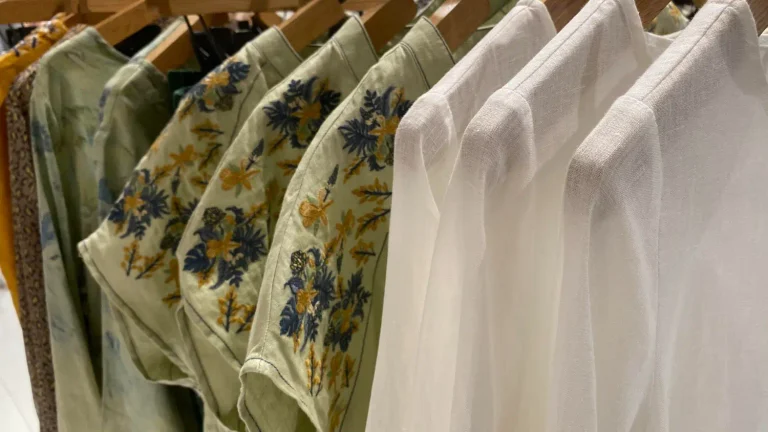
Cotton fabric is made from natural fibers taken from the seeds of the cotton plant, which is grown in different regions of the world. These fibers are cleaned, spun and processed until they become yarns and fabrics.
In fashion, cotton stands out for its versatility, its pleasant feel and its ability to absorb moisture. Its structure also allows for different textile constructions, such as woven and knit fabrics.
It is important to distinguish cotton fiber from the fabric made with it. The fiber is the raw material, while the construction determines characteristics such as stretch, thickness, texture and drape.
That is why two cotton fabrics can behave very differently when you create a garment. Some provide structure, while others offer lightness, flexibility or extra coziness.
This variety allows designers to explore different possibilities without giving up the natural qualities of the raw material.
Read more: 9 fabrics with the perfect fit to use in your fashion collection




Best-known types of cotton fabric
Cotton can be made into different textile constructions, which change the appearance, texture and behavior of the material. Knowing these variations helps designers choose the right option for each concept.
Unbleached cotton
Unbleached cotton keeps its natural appearance, usually in shades of beige, cream or yellowish white. It does not go through intensive dyeing or bleaching.
Its rustic look suits collections that value simplicity, naturalness and artisanal concepts. It also appears in casual garments, accessories and home decor products.
Cotton drill
Drill is a sturdy fabric, usually made from cotton with a twill construction. Its structure provides strength and stability for a range of applications.
In fashion, designers use it mainly for pants, jackets, shorts and uniforms. Versions with elastane offer more flexibility and freedom of movement.
Cambric
Cambric has a light, fine and delicate structure and is usually made with cotton yarns. Its smooth surface creates a subtle sheerness and good drape.
These characteristics make it a common choice for shirts, dresses, blouses and children’s garments. It also appears in romantic concepts that value lightness and movement.
Flannel
Cotton flannel has a fuzzy surface created by brushing the yarns. This finish gives it a soft feel and greater heat retention.
As a result, it is often used for shirts, pajamas, children’s clothing and winter garments. Its thickness also makes it suitable for cozier, more structured concepts.
Eyelet (broderie anglaise)
Eyelet features embroidery and small cutouts that form decorative patterns on its surface. Although it comes in different compositions, it is often made with cotton.
Its delicate look works well for dresses, skirts, blouses and summer garments. The small openings also create sheerness and allow for interesting visual compositions.
Cotton knit
Cotton knit is made of interlocking loops, a structure that gives the material flexibility. Unlike woven fabrics, this construction allows for greater stretch.
T-shirts, dresses, leggings and children’s clothing are some of its best-known uses. Blends with elastane further improve the garment’s stretch and recovery.
Percale
Percale has a plain weave, with yarns interlaced in a regular and relatively tight pattern. Its surface is usually smooth, matte and pleasant to the touch.
Although it is mostly used in bed linen, it also offers possibilities for apparel collections. Its structure gives it a neat appearance and a slightly substantial feel.
Twill
Twill has characteristic diagonal lines, created by the way its warp and weft yarns are woven together. This structure provides strength, durability and good drape.
Pants, skirts, jackets and utility garments are among its most common uses. Different fabric weights also make it possible to explore either light or highly structured concepts.
Want to explore more types of fabric? Download our free ebook now.
See over 90 types of fabric to inform your choices.
Expand your fabric knowledge and discover new possibilities for your collections
Understanding different fabric types is an important step in developing garments that align with each collection’s concept.
To explore even more possibilities, download our free e-book featuring over 90 fabric types and discover their applications in fashion.
What you’ll find in the e-book:
- More than 90 fabric types in one comprehensive guide.
- Different material options to inspire your creations.
- Fabric applications in fashion collections.
- References to expand your knowledge during product development.
Download the free e-book
What is the best cotton fabric?
There is no single best cotton fabric, because each construction meets different needs during collection development. The choice depends mainly on the style, the season and the visual result you want.
For T-shirts, for example, cotton knit offers flexibility and comfort during wear. Dress shirts, on the other hand, work well with cambric and other lightweight woven fabrics.
Pants and jackets call for stronger materials, such as drill and twill. These options provide structure and help garments hold their shape.
Designers also need to consider fabric weight, composition, stretch and finish before choosing materials. These factors directly affect drape, fit and final appearance.
The best fabric, then, is the one that meets the technical and aesthetic needs of each design. Whenever possible, request samples and run tests before approving materials.
Read more: Discover the best types of fabric for your clothing company
What is the cheapest cotton fabric?
The price of cotton fabric varies according to its composition, weight, construction and fiber quality. For this reason, no single material is the cheapest across all suppliers.
In general, simple fabrics, such as unbleached cotton and basic tricoline, a 100% cotton fabric, can be more affordable. Their constructions and finishes tend to require less elaborate processes.
Factors such as the origin of the raw material, the volume purchased and the finishing processes also directly influence prices.
Fabrics with embroidery, special prints or distinctive finishes generally cost more.
For designers, price per meter is not the only important criterion. It is also worth looking at width, yield, cutting losses and how the fabric behaves during sewing.
A material that costs more at first may therefore offer better fabric utilization and reduce costs during production. This analysis helps you balance quality, budget and the commercial concept of the collection.
How can you tell if a fabric is 100% cotton?
The safest way to identify a fabric’s composition is to start with the label or technical data sheet provided by the manufacturer. These documents show the percentage of each fiber used.
You can also check the sales description and ask the supplier directly for technical information. This helps avoid confusion between natural, synthetic and blended fabrics.
Some physical characteristics offer clues as well, although they do not precisely confirm the composition. Cotton usually feels pleasant, absorbs moisture well and tends to wrinkle.
Cotton fabrics may also shrink after washing, depending on the manufacturing processes. Even so, these characteristics also appear in other fibers and do not prove the fabric’s origin.
For this reason, avoid relying only on home tests to identify composition. Textile laboratories can run specific analyses when technical confirmation is necessary.
Read more: Learn how to adjust patterns for fabrics that shrink
Is 100% cotton fabric good?
Yes, 100% cotton fabric offers useful characteristics for different apparel concepts. Its quality, however, depends on the fiber, the construction and the finishes applied.
To better understand these details, it helps to compare pure cotton fabrics with those that combine cotton and other fibers. Each composition has specific advantages for different needs.
| Characteristic | 100% cotton | Blended fabrics |
|---|---|---|
| Composition | Cotton fibers only | Cotton combined with other fibers |
| Feel | Usually soft and natural | Varies according to the blend |
| Absorption | Good moisture absorption | Depends on the fibers combined |
| Stretch | Usually limited | Can increase with elastane |
| Wrinkling | Greater tendency to crease | Some blends wrinkle less |
| Shrinkage | May shrink more | Depends on composition and finish |
| Durability | Good strength when well cared for | Varies according to the fibers used |
| Care | May need more care | Some blends are easier to maintain |
The table shows that no composition meets every collection need equally well. Designers should therefore assess the properties of each material before deciding how to use it.
Blended fabrics, for example, can combine the absorbency of cotton with the stretch of elastane. Polyester blends, in turn, may be less prone to wrinkling.
The choice comes down to balancing comfort, appearance, performance and cost. What matters is selecting a composition that suits the garment’s purpose.
Is cotton a warm fabric?
Cotton is not necessarily a warm fabric, because its thermal characteristics depend mainly on construction and weight.
Lightweight materials allow more air to circulate and support comfort in high temperatures.
Thicker fabrics, such as flannel and some twills, provide greater thermal insulation. Their structure can help retain body heat during cold periods.
The ability to absorb moisture also adds to the feeling of comfort during wear. However, cotton can take longer to dry when it absorbs a lot of sweat.
Designers therefore need to consider the season and the garment’s purpose when selecting fabric. Lightweight knits and cambric work well for warm-weather concepts, while flannel suits winter collections.
Most common uses of cotton fabric in fashion
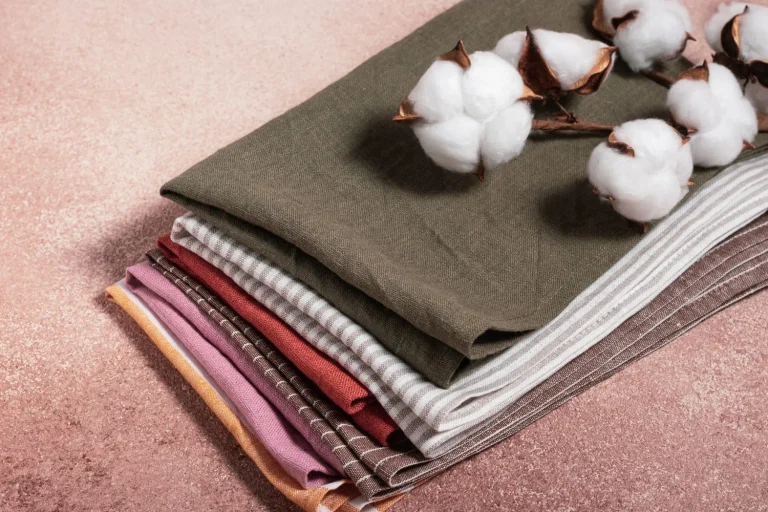
The versatility of cotton fabric allows it to be used across different apparel categories, styles, customers and commercial concepts.
Its range of constructions covers everything from basics to elaborate designs.
The most common uses include:
- T-shirts: mainly use cotton knits, which provide comfort and flexibility during wear;
- Shirts: work well with tricoline, cambric and other woven fabrics, depending on the structure you want;
- Pants and shorts: use twill and drill, which offer strength and support;
- Dresses and skirts: use cambric, eyelet and lightweight fabrics to create movement and delicacy;
- Children’s clothing: takes advantage of the variety of comfortable knits and woven fabrics;
- Pajamas: use knits and flannels, depending on the season and the concept;
- Jackets: use twill, drill and other sturdier constructions.
Beyond these uses, cotton also appears in accessories and decorative details. Knowing its possibilities expands the creative repertoire of fashion professionals.
Main benefits of cotton fabric
The properties of cotton explain its constant presence in the textile industry and in garment development. Each benefit also depends on the construction, the weight and the treatments applied to the material.
Breathability
The structure of cotton fibers and fabrics promotes air circulation between the material and the body. This characteristic contributes to ventilation and helps provide comfort during different activities.
Thermal comfort
Cotton absorbs moisture and has characteristics that promote comfort against the skin. The thermal sensation also depends on the thickness and structure of the fabric you choose.
Hypoallergenic
Cotton is usually well tolerated against the skin, especially in simple, well-finished fabrics. However, dyes and products used in finishing can cause reactions in sensitive people.
For this reason, not every cotton fabric can automatically be considered hypoallergenic.
Soft feel
Cotton fibers can create a pleasant, comfortable surface against the body. Different finishing processes also change the texture and softness of the material.
Durability
Cotton offers good mechanical strength, especially when manufacturers use suitable fibers and constructions. Even so, improper washing, excessive sun exposure and wear shorten its life.
Sustainability
As a plant fiber, cotton has the potential to biodegrade when it does not receive certain treatments or material combinations. Its production, however, also has significant environmental impacts.
Conventional farming can consume water, energy and chemical inputs, depending on the agricultural conditions. Organic, recycled and regenerative cotton are therefore interesting alternatives for materials research.
Designers can also contribute through conscious choices during collection development. Assessing suppliers, certifications, production processes and durability helps guide more responsible decisions.
Create your garments and predict fabric drape with Audaces
Knowing the properties of cotton fabric is only one part of developing fashion products. Designers also need to turn inspiration into garments that are consistent with their creative concepts.
Technology helps organize information and explore possibilities during creation. The Audaces ecosystem offers solutions that support different stages of this work.
LooksMaker
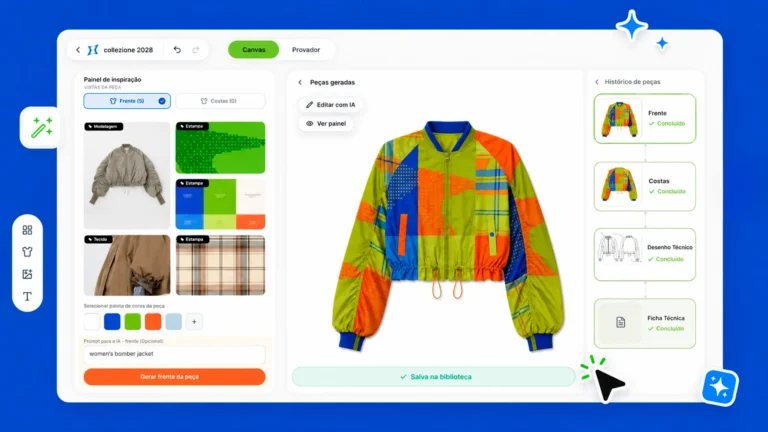
Audaces LooksMaker uses artificial intelligence to turn visual inspiration into fashion product concepts.
The platform lets you generate garment images, explore creative variations and develop technical drawings automatically. It also offers technical description and virtual try-on features to support design validation.
Designers can explore different ideas and visualize concepts before moving on to other stages. The tool also lets you use fabric references to guide the creation of new garments.
Audaces Isa
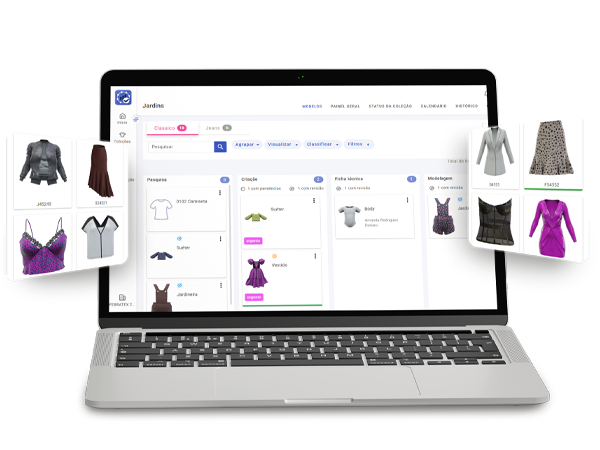
Audaces Isa, a Fashion PLM, supports collection planning and management by connecting important information during product development.
With the platform, teams can organize projects, track activities and centralize technical information. This keeps the stages and the professionals involved more closely aligned.
Audaces Isa also lets you track materials and product-related information, making collections easier to manage.
By combining creativity and organization, professionals can run collections with greater clarity and efficiency.
Explore Audaces solutions and find new ways to develop your next projects.
How Audaces technology transformed collection development at Morena Rosa Group
One of the largest fashion groups in Brazil, Morena Rosa Group achieved significant results using Audaces technology solutions.
The company reduced rework by up to 60% and cut development time per collection by 50%. These results show how technology can change the way processes run and contribute to better outcomes.
Watch the story and see how Audaces solutions supported collection development at Morena Rosa Group.
FAQ
Cotton fabric is made from natural fibers taken from the cotton plant and offers softness, breathability and thermal comfort.
The main types of cotton fabric include drill, cambric, flannel, eyelet, knit, percale and twill.
To identify a 100% pure cotton fabric, check the composition label and make sure it lists cotton fibers only.